
Ant Identification Guide
Ant Facts & Identification: Your Guide to Common Australian Ants with TIM Pest Control
Get a Free Quote Now!
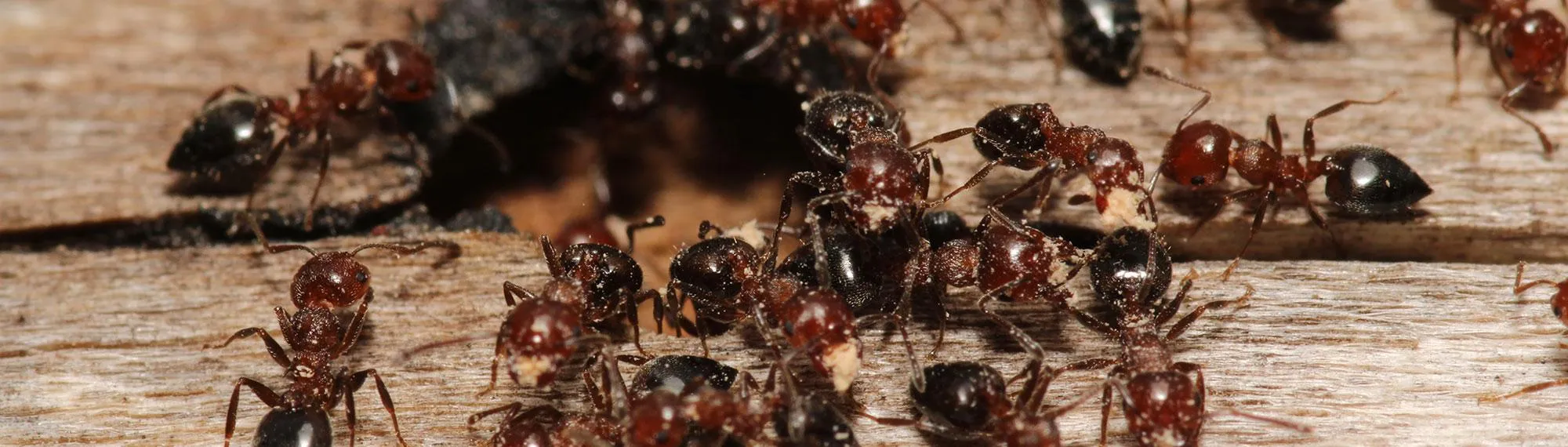
A trail of ants in your kitchen or a mound in your garden is more than a nuisance; it’s an invitation to a colony that can cause damage, deliver painful stings, or contaminate your food. Correctly identifying the species is the critical first step in effective control.
At TIM Pest Control, we know that what works for one ant species will fail for another. This comprehensive guide will help you identify the common ants found in and around Australian homes. For a targeted, permanent solution, our expert technicians are ready to help.
Why Ant Identification is Crucial for Effective Control
Spraying a visible ant trail only kills the worker ants you can see, leaving the hidden colony and queen to rebound quickly. Different ants have different behaviors, nesting habits, and food preferences, which demand specific treatment strategies.
Misidentifying a destructive Carpenter Ant for a nuisance Black Garden Ant can lead to unchecked structural damage. TIM Pest Control technicians are trained to:
- Accurately Identify the Species: Determine if you’re dealing with a nuisance, destructive, or dangerous ant.
- Locate the Colony: Find the central nest, which could be in soil, wall voids, wood, or under paving.
- Implement a Targeted Plan: Use the correct baits and barriers to eliminate the entire colony at its source.
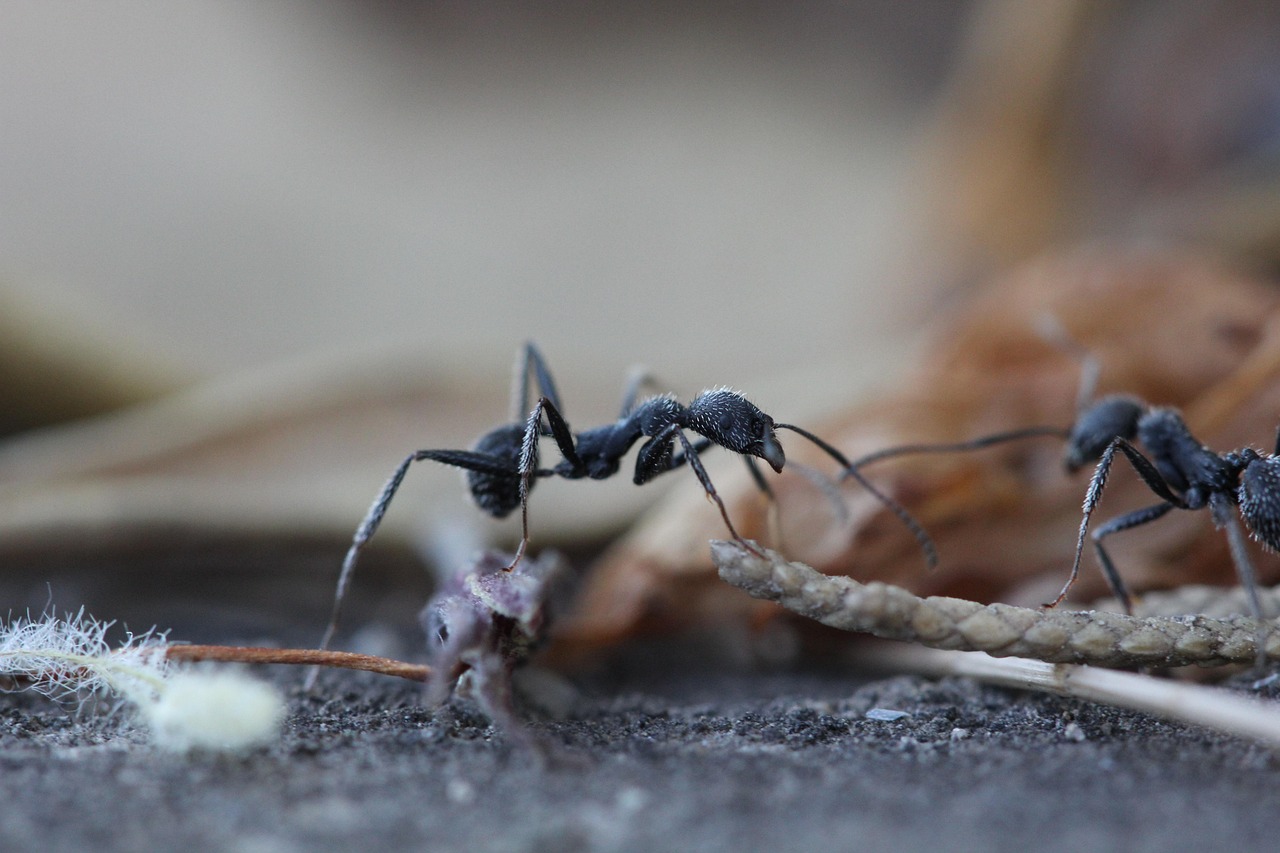
Meet the Common Culprits: A Visual Identification Guide
1. Carpenter Ants (Camponotus spp.)
A significant pest known for excavating wood to build their nests.
- Size & Appearance: Large, ¼ to ½ inch long. Typically black, but some species have reddish tones. They have a single, rounded node on their pedicel and a circle of hairs at the tip of their abdomen.
- Habitat & Behavior: Do not eat wood but tunnel through it, preferring moist or decaying timber. Signs include frass (sawdust-like debris) and rustling sounds in walls.
- TIM’s Insight: Seeing large black ants indoors is a major red flag. Control requires locating the parent colony, often outside in a stump, and any satellite colonies inside the structure.
2. Bull Ants (Myrmecia spp.)
Australia’s iconic, large, and aggressive ants known for their powerful sting.
- Size & Appearance: Very large, ½ to 1 inch long. Elongated, slender mandibles and large eyes. Colours vary from black and red to brown.
- Habitat & Behavior: Nest in soil, often with a large, obvious crater-shaped entrance. They are solitary foragers and do not follow trails. They are highly aggressive and will sting repeatedly if threatened.
- TIM’s Insight: Their sting is venomous and can cause severe allergic reactions. Keep children and pets away from nests. Professional treatment is strongly recommended due to their aggressive nature.
3. Coastal Brown Ant (Pheidole megacephala)
Also known as the Big-headed Ant, this species is a major nuisance and can damage infrastructure.
- Size & Appearance: Small, ⅛ to ¼ inch long. Polymorphic, meaning the colony has minor workers with large, major workers with very large, heart-shaped heads (soldiers).
- Habitat & Behavior: Nests extensively in soil, under pavers, and in wall cavities. Their tunneling can undermine pavers and foundations, causing sinking and instability.
- TIM’s Insight: These ants are a primary target for control due to their potential for structural damage. Effective treatment requires specialized baits that the minor workers carry back to the numerous queens and soldiers.
4. White-footed House Ant (Technomyrmex spp.)
A common nuisance ant that is difficult to control with DIY methods.
- Size & Appearance: Small, ⅛ inch long. Shiny black body with distinctly pale yellow-white feet (tarsi).
- Habitat & Behavior: Nests in a wide variety of locations, including wall voids, pot plants, and garden mulch. They form massive colonies with many queens and are strongly attracted to sweet substances. They often trail along electrical wires and pipes.
- TIM’s Insight: Their multiple-queen, multi-nest colonies make them resistant to standard sprays. A strategic, professional baiting program is essential for successful eradication.
5. Singapore Ant (Trichomyrmex destructor)
A highly invasive and destructive tropical pest that is spreading.
- Size & Appearance: Small, ⅛ to ¼ inch long. Yellowish-brown to dark brown. They have 12-segmented antennae and a rough, sculptured appearance to their body.
- Habitat & Behavior: Extremely adaptable, nesting in soil, wall voids, and even electrical appliances. They are known for their “electrical attraction” and can cause short circuits. They deliver a painful sting.
- TIM’s Insight: This is a serious pest that requires immediate professional attention. We use advanced baiting systems and granular treatments to combat these resilient ants.
6. Argentine Ant (Linepithema humile)
Forms massive “supercolonies” that can dominate an area.
- Size & Appearance: Small, ⅛ inch long. Slender, uniform brown colour. The node on their pedicel is often hidden and not easily visible.
- Habitat & Behavior: They form enormous networks of cooperating colonies, creating dense trails along the ground and up buildings. They displace native ants and are a major indoor nuisance, particularly in kitchens.
- TIM’s Insight: Traditional perimeter sprays are ineffective against supercolonies. TIM Pest Control uses targeted baiting programs that disrupt the cooperative network and eliminate the colony on a large scale.
7. Black Garden Ant (Lasius niger)
The common “pavement” ant often seen in gardens and kitchens.
- Size & Appearance: Small to medium, ⅛ to ¼ inch long. Dark brown to black. They have a single, unevenly shaped node.
- Habitat & Behavior: Nests in soil, under stones, and in pavement cracks. They follow well-defined trails to food sources, with a strong preference for sweets.
- TIM’s Insight: While primarily a nuisance, large colonies can be persistent. Control is typically straightforward for professionals through baiting and nest elimination.
Signs of an Ant Infestation
Watch for these key indicators:
- Live Ant Trails: The most obvious sign, especially of species like Argentine and Black Garden Ants.
- Frass: Sawdust-like material pushed out of wood by Carpenter Ants.
- Mounds & Nest Entrances: Craters (Bull Ants), disturbed soil (Coastal Brown Ants), or sand piles in pavement cracks.
- Rustling in Walls: A sign of a large, hidden nest (e.g., Carpenter Ants, White-footed Ants).
- Ants in Electrical Outlets: A common sign of Singapore Ants.
Ant Prevention Tips from TIM Pest Control Pros
- Eliminate Food Sources: Wipe counters, store food in airtight containers, and manage pet food.
- Seal Entry Points: Caulk cracks in foundations and around pipes.
- Manage Moisture: Fix leaks and ensure good drainage to deter moisture-loving species like Carpenter Ants.
- Trim Vegetation: Keep branches and shrubs from touching your house to remove ant bridges.
- Disrupt Trails: Wash ant trails with soapy water to remove the chemical pheromone.
Why DIY Ant Control Often Fails
Standard sprays kill only the foraging workers, splintering the colony and causing it to bud (split into multiple colonies). Many common baits are ineffective against specific Australian species like White-footed Ants or Coastal Brown Ants.
The TIM Pest Control Solution:
- Expert Inspection & ID: We correctly identify the ant species to determine the best course of action.
- Colony Elimination: We use advanced, species-specific baits that foragers carry back to the nest, eliminating queens and the entire colony.
- Barrier & Nest Treatment: We apply targeted treatments to nests and create protective barriers where appropriate.
- Guaranteed Results: We stand by our work with a satisfaction guarantee.
Frequently Asked Questions
Welcome to TIM Pest Control’s Ant Identification Guide. Understanding the specific ant species in your Melbourne home or garden is the first step towards effective and long-lasting control. Below are answers to the most common questions we receive.
General Ant Knowledge
Why is it important to know what type of ant I have?
Not all ants are created equal. Different species have different behaviours, food preferences, and nesting habits. Correct identification is crucial because:
- Treatment Strategy: The bait that works for one species may be ignored by another. For example, Sugar Ants are attracted to sweet baits, while Coastal Brown Ants prefer protein and greasy foods.
- Nest Location: Some ants nest outdoors in gardens, while others nest inside wall cavities or under subfloors. Knowing the species helps us locate and treat the primary nest.
- Risk Assessment: It helps us determine if the ants are primarily a nuisance or if they pose a health risk (like contaminating food) or a structural risk (like Carpenter Ants).
I only see a few ants. Is it really a problem?
A few foraging ants are often scouts from a much larger colony. They are searching for food and water to sustain their nest. Where there are a few scouts, a full-scale infestation often follows, especially when they find a reliable food source. Early identification and intervention can prevent a minor issue from becoming a major one.
When are ants most active in Melbourne?
Ant activity in Melbourne peaks during the warmer months, from spring through autumn. However, as many Melbourne homes are temperature-controlled, it is not uncommon to see ant activity year-round, particularly from species that nest indoors.
Identification & Common Species
What are the most common ant species found in and around Melbourne homes?
The most frequent ants our TIM Pest Control technicians encounter are:
- Argentine Ants: Small, light to dark brown ants that form massive “super-colonies.” They are highly aggressive towards other ants and are often seen in long, dense trails.
- Coastal Brown Ants (Big-Headed Ants): Small, light golden to brown. They have two distinct node segments on their petiole (the waist). They create large, visible nests with multiple queens and can undermine paving.
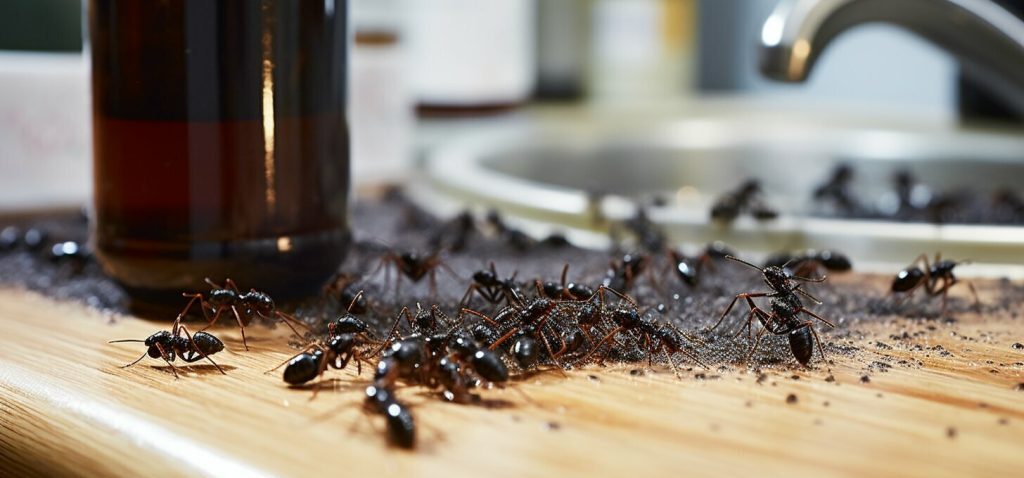
- Black House Ants: Shiny black and small. They are strongly attracted to sweet foods and are a common invader of kitchens.
- White-Footed House Ants: Dark brown/black with pale yellow feet. They are known for creating persistent, meandering trails along fences and gutters into homes.
- Bull Ants (Myrmecia spp.): Large, aggressive, and have a painful sting. They are mostly found in gardens and bushland areas. They do not trail, but are solitary hunters.
- Carpenter Ants: Among the largest ants in Melbourne. They are black or dark brown and typically nest in moist, decaying wood. While they don’t eat wood, their nesting can cause structural damage over time.
(We recommend including a visual identification chart with images of these common species on your webpage).
How can I tell the difference between termites and flying ants (flying alates)?
This is a very common question, especially during swarming season.
Feature | Flying Ants (Alates) | Termites (Alates) |
|---|---|---|
Antennae | Elbowed (bent) | Straight, bead-like |
Waist | Pinched, narrow | Thick, not pinched |
Wings | Two pairs of different sizes (front larger) | Two pairs of equal size and shape |
Wing Veins | Fewer veins | Many complex veins |
If you are unsure, do not disturb them. Capture one in a jar and contact TIM Pest Control immediately for a positive identification.
Prevention & DIY Tips
What can I do to prevent ants from entering my home?
Prevention is key to ant control:
- Eliminate Food Sources: Wipe down counters, store food in airtight containers, and clean up spills and crumbs immediately.
- Manage Waste: Keep indoor and outdoor bins sealed and clean.
- Seal Entry Points: Use caulk to seal cracks in skirting boards, around windows, doors, and where utility pipes enter the home.
- Reduce Moisture: Fix leaking taps and ensure gutters and downpipes direct water away from the house foundation.
- Trim Vegetation: Keep trees and shrubs trimmed back so they are not touching the house, as ants use them as bridges.
Are store-bought ant sprays effective?
While surface sprays can kill the foraging ants you see, they are a short-term solution and can often make the problem worse. These sprays:
- Don’t Eliminate the Nest: They only kill a small portion of the colony.
- Cause Colony Budding: Some species, like Coastal Brown Ants, will respond to a threat by splitting into multiple smaller colonies, spreading the infestation.
- Contaminate Bait: The repellent chemicals in sprays can prevent the remaining ants from taking bait back to the nest, which is the most effective way to destroy the entire colony.
Professional Pest Control
When should I call a professional like TIM Pest Control?
You should contact us if:
- You see a large or persistent trail of ants inside your home.
- You find a nest in your garden or, worse, inside a wall cavity.
- You have tried DIY methods without success.
- You are dealing with aggressive ants like Bull Ants or suspect Carpenter Ants.
- You are a business, especially in the food service or hospitality industry.
What is TIM Pest Control's approach to ant control?
Our process is thorough and strategic:
- Inspection & Identification: Our technician will conduct a detailed inspection to identify the ant species and locate nesting sites.
- Targeted Treatment: We use a combination of professional-grade insecticidal baits, non-repellent sprays, and dusts specifically chosen for the target species. Our goal is for the foraging ants to carry the bait back to the nest, eliminating the queen and the entire colony.
- Exclusion Advice: We will provide specific recommendations to help you make your property less attractive to ants in the future.
- Follow-up: For certain persistent species, we may recommend a follow-up service to ensure the problem is completely resolved.
Is the treatment safe for my children and pets?
Yes. The safety of your family and pets is our top priority. We use products that are approved by the Australian Pesticides and Veterinary Medicines Authority (APVMA). Our technicians are trained in the safe application of these products and will provide you with specific instructions, such as keeping pets away from treated areas until dry, to ensure everyone’s safety.