Hospitality Safety Offer — Book a free on-site restaurant pest audit this week & receive a customised HACCP-supporting plan + 20% OFF the first service — offer ends 15th September 2026 · Call 0466 929 533
Serving Melbourne from Clyde North Same-Day Options Subject to Availability
Call 0466 929 533
☰ Explore Services & Menu
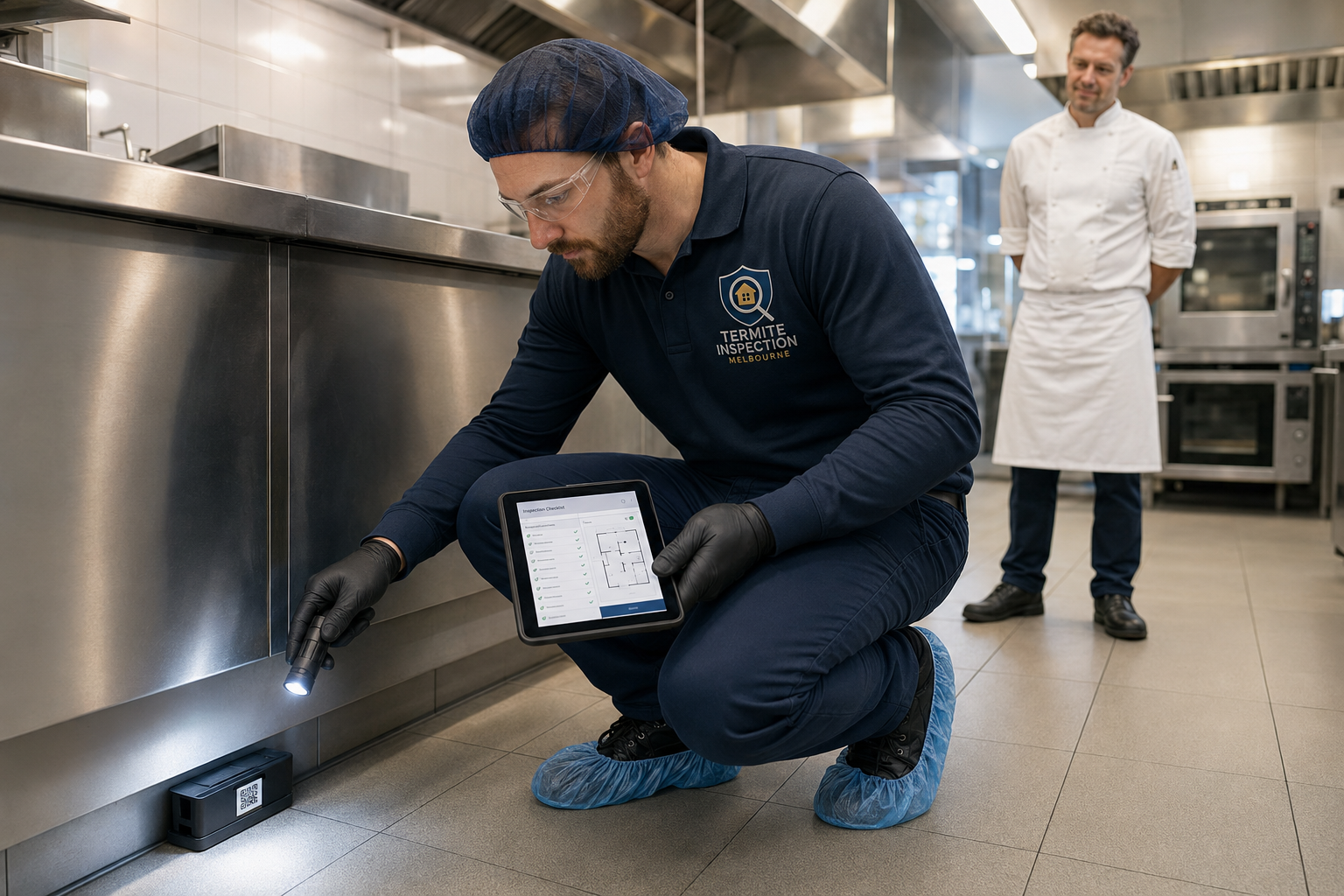
Professional restaurant and cafe pest control service in a Melbourne commercial kitchen
Hospitality IPM, kitchen pest control and audit-ready digital records across Melbourne

Restaurant And Cafe Pest Control Melbourne | HACCP Compliant Services

Protect your food, customers, staff and reputation with restaurant pest control Melbourne venues can schedule around service. TIM's Pest Control combines commercial kitchen inspection, German cockroach control, rodent monitoring, fly management, proofing priorities and digital records designed to support your HACCP-based food-safety system.

Our program is built around the way your venue actually operates: deliveries, food preparation, coffee and bar equipment, cool rooms, drains, grease systems, waste, outdoor dining and shared tenancy pathways. After-hours and low-traffic servicing is available subject to access and technician availability, with every inclusion and price confirmed before the program begins.

HACCP-supporting pest records
Licensed and insured technicians
Discreet after-hours options
Food-area risk controls
Kitchen-Specific IPMBuilt around food-service risks
Digital Pest LogbookClear findings and actions
After-Hours OptionsLow-disruption servicing
Fast Melbourne ResponseSubject to route availability
Transparent ScopePrices and exclusions in writing
Zero tolerance for visible kitchen pests

Why Melbourne Restaurants and Cafes Cannot Delay Pest Control

A single cockroach seen near a coffee machine or pass is not merely an unpleasant moment. It can indicate activity inside warm motor housings, wall voids, cabinetry, refrigeration seals or a neighbouring tenancy. A rodent dropping beside dry stock may require product isolation, cleaning, investigation and supplier or landlord communication. Flies around drains or waste may reveal an unresolved breeding source. When the venue serves food, every sighting carries a contamination, reputation and operational risk.

Customers can photograph a pest and publish the image before management has time to investigate. A public sighting may lead to refunds, negative reviews and loss of confidence even where the source is a shared building defect. Council environmental health officers, franchisors, landlords and food-safety auditors may ask what evidence was found, what action was taken and how recurrence will be prevented. An invoice reading “sprayed kitchen” does not answer those questions.

Commercial kitchen pests multiply quickly because food, water, heat and harbourage are concentrated in a small space. German cockroaches can remain concealed in hinges and equipment; rodents can move after closing; fruit flies can breed in thin organic films that look clean from standing height. Waiting for the next visible pest allows the population or source to continue. Rapid inspection protects evidence and helps identify the smallest effective response before the issue expands.

Food safety is a shared operational system. The pest contractor controls inspection, monitoring, treatment and pest recommendations within the agreed scope. The restaurant controls cleaning, food protection, temperature, waste, stock rotation, staff reporting and maintenance follow-through. The landlord or centre manager may control drains, roof spaces, shared risers and common waste areas. Our reporting makes those responsibilities visible so the problem is not passed between parties indefinitely.

If you find pest evidence now: protect or isolate affected food under your procedure, photograph and retain the evidence where safe, record the exact time and location, avoid unapproved aerosol use near food or equipment, notify the manager and call 0466 929 533. Same-day attendance can be requested and is subject to availability.
German cockroach inspection and treatment in a Melbourne restaurant kitchen
Hospitality programs matched to venue type

Restaurant and Cafe Pest Control for Every Melbourne Food Venue

The equipment, trading pattern and customer exposure of each venue change the pest-control plan. We start with the operation rather than applying a residential spray package to a commercial kitchen.

Coffee Shops and Espresso Bars

Coffee machines, grinders, under-counter refrigeration, milk residue, syrups and compact cabinetry create warm, hidden pest zones. The plan focuses on motor cavities, plumbing penetrations, counter voids, dry stock, bin routines and early staff reporting. Small floor area does not always mean low risk when heat and food are concentrated.

🥐

Bakeries and Dessert Businesses

Flour, grains, nuts, chocolate, yeast, packaging and overnight production can attract stored-product insects, cockroaches and rodents. Monitoring extends beyond visible benches to ingredient stores, proofing equipment, floor-wall junctions, delivery cartons and spill zones. Stock rotation and supplier traceability are central to prevention.

🍽

Full-Service Restaurants

Restaurants combine hot lines, dishwashing, bars, cool rooms, grease systems, dining rooms and customer toilets. We map each risk zone, then coordinate inspection and treatment with preparation, service, cleaning and deliveries. The program distinguishes immediate corrective visits from scheduled maintenance.

Takeaway and Quick-Service Kitchens

Long opening hours, rapid stock movement and frequent door use can intensify pest pressure. Drive-throughs, delivery-driver access, cardboard accumulation and late-night waste handling require clear routines. Devices must be secure, discreet and positioned where staff or cleaners will not move them.

Food Courts and Shopping Centres

Shared walls, risers, waste docks and common drains mean one tenancy may not control the source. We document evidence inside the venue and identify common-property pathways requiring centre-management action. Coordinated treatments can prevent activity shifting between adjoining food tenancies.

Hotels, Pubs and Bars

Multiple kitchens, bars, cellars, function rooms, outdoor dining and accommodation interfaces need zone-based reporting. A single service report should show which areas were accessed and what remains outstanding. Multi-department contacts and escalation paths are agreed before the program starts.

Wineries, Breweries and Peninsula Venues

Fermentation residues, outdoor dining, landscaped grounds and seasonal events change fly, wasp, ant and rodent pressure. Programs can increase monitoring during peak periods, review door and screen controls, and coordinate treatments around production and guest activity.

Franchise and Multi-Venue Groups

Portfolio clients can use standard reporting fields, response rules and service calendars while retaining venue-specific maps and findings. Trend summaries help management identify repeated building or process risks without assuming every site has the same condition.

Commercial kitchen cockroach treatment for Melbourne cafes and restaurants
Commercial kitchen cockroach eradication

German Cockroach Control Without Blanket Spraying Food Areas

German cockroaches are small, fast-breeding and closely associated with warm equipment. Adults and nymphs shelter around refrigerator compressors, dishwasher controls, coffee machines, bain-maries, microwave cavities, electrical conduits, loose kickboards, door hinges and damp cabinetry. Egg cases can remain protected from a single contact treatment, which is why one visible reduction does not prove the harbourage has been eliminated.

Our commercial kitchen cockroach treatment begins with species identification and evidence mapping. Sticky monitors can show whether activity is concentrated at the cook line, dish area, bar, dry store or adjoining wall. A torch and inspection mirror help reveal spotting, cast skins, egg cases and live insects. Staff sighting records add time information: activity during busy daylight hours may indicate heavy pressure or disturbance.

Control normally combines sanitation correction with precisely placed gel bait, enclosed monitoring, crack-and-crevice residual products, insect growth regulators or dust in suitable inaccessible voids. The exact combination depends on label directions, infestation level, food exposure and construction. Baits are placed where cockroaches forage but cannot contaminate food or be disturbed by routine cleaning. Spraying directly over bait can reduce performance, so products must be coordinated.

Follow-up frequency is based on findings. Active infestations may require shorter-interval inspections to replace consumed bait, review monitors and treat newly identified harbourage. Staff should avoid moving monitors, applying shop-bought aerosols or pressure-cleaning treated crevices unless instructed. Maintenance must repair loose panels, failed seals and leaking services that preserve harbourage. A well-run program attacks the population and the conditions supporting it.

Why DIY foggers can make control harder: space treatments may fail to penetrate protected equipment cavities and can drive cockroaches deeper into voids or adjoining zones. They also create preparation and contamination concerns. A professional spider or cockroach exterminator should select a food-site method from the evidence, not from the strongest-smelling product.
Food storage, waste and perimeter defence

Rodent Control for Restaurants Melbourne Operators Can Document

Rats and mice can enter through gaps around pipes, damaged door seals, open loading doors, roof junctions, drains and shared wall cavities. They may feed on waste outdoors and travel inside after closing. Fresh droppings, gnawing, rub marks, disturbed stock, noises or captures require source investigation. Simply placing more bait inside a food room does not identify the route or reduce the building vulnerability.

A restaurant rodent program separates external pressure from internal evidence. Weather-resistant, tamper-resistant stations may be installed around approved external zones. Internal food areas often use secure traps or non-toxic monitoring suited to the risk and client procedure. Every device should have an identifier and mapped location so activity can be trended. A missing or moved station must be recorded rather than silently replaced.

Proofing recommendations describe the exact gap, material interface and responsible party. Door sweeps, pipe collars, mesh, flashing or contractor repairs may be required. Pest technicians can identify visible access and provide suitable minor exclusions within scope, but building, plumbing, drainage, fire-rating and structural work may require an appropriately qualified contractor. The report should not represent a recommendation as a completed repair.

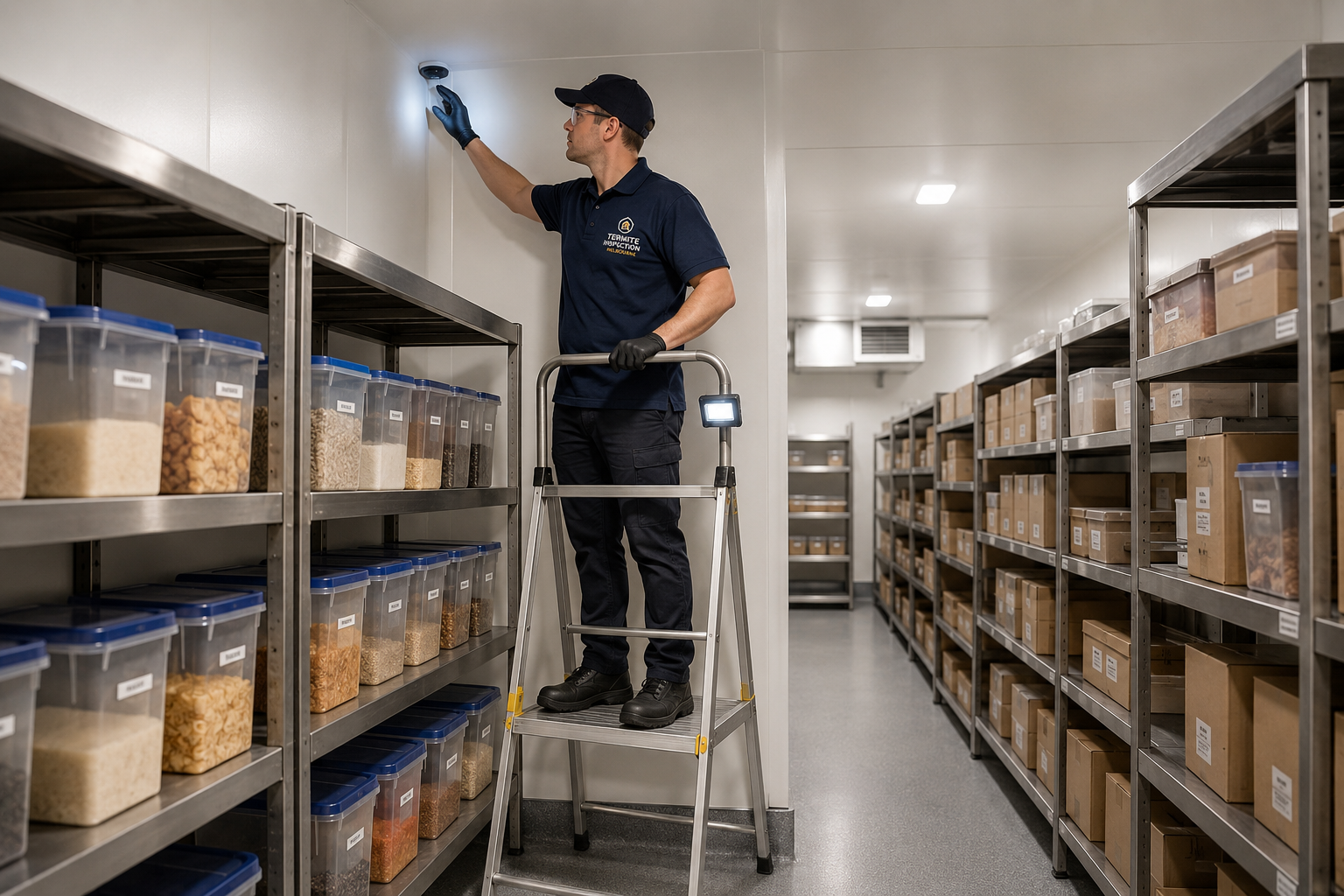
Stock and waste practices matter. Dry goods should be inspected on delivery, stored off the floor where practical and rotated. Spills under racking and equipment must be accessible to cleaning. Bin lids, compactor areas, grease residue and collection timing influence exterior pressure. A rodent control for restaurants Melbourne plan succeeds when monitoring, proofing, waste, cleaning and staff reporting operate together.

Where food may have been contaminated, the venue follows its own food-safety disposal and cleaning procedure. The pest provider can document evidence and pest action but does not decide whether a product is safe to sell. Managers may need to involve their food-safety supervisor, supplier, landlord or regulator depending on the incident.

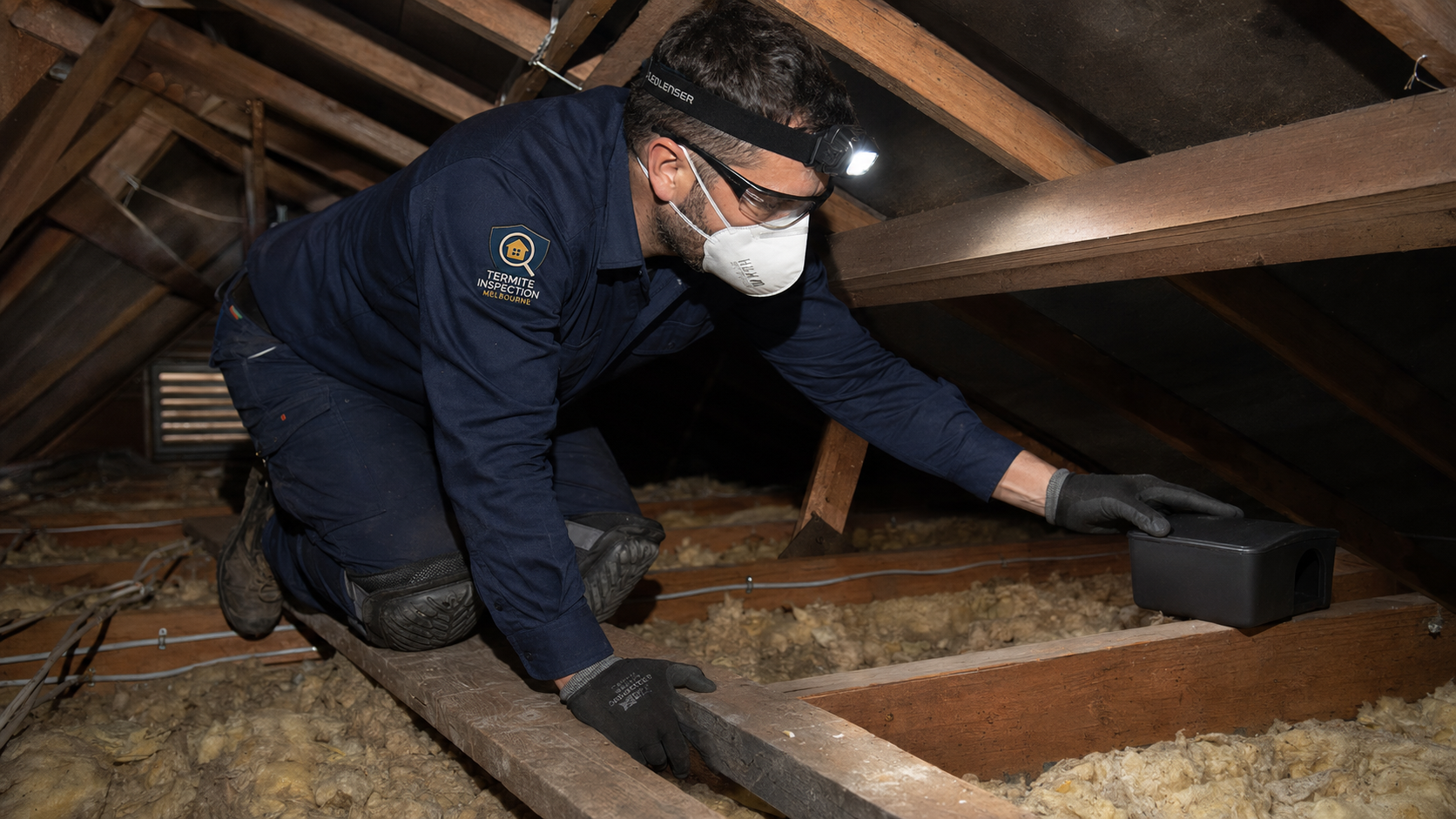
Professional rodent control for restaurants and food storage areas in Melbourne
Flying insects require source control

Flies, Fruit Flies, Drain Flies and Electronic Fly Control

A fly visible in the dining room may have entered through a door, emerged from a drain, developed in waste or arrived with produce. Correct identification directs the response.

House Flies and Blowflies

Large flies often relate to open doors, waste, outdoor breeding, dead animals or incoming deliveries. Door discipline, air movement, screens, waste timing and external sanitation are reviewed first. Electronic fly-control units can support monitoring and capture when positioned away from exposed food and not visible in a way that harms presentation.

Fruit and Vinegar Flies

Small flies may breed in beer residue, syrups, juice, overripe produce, recycling, floor drains, mop water or cracks holding organic material. The adult population can rebound until every breeding film is removed. Cleaning must reach tap trays, bottle storage, floor edges, drains and inaccessible wet gaps rather than only visible benchtops.

Drain and Moth Flies

Drain-associated larvae feed in organic films. Inspection may use visual checks, trapping or drain covers to identify the source. Mechanical cleaning and correction of damaged plumbing or persistent moisture are usually essential. Pouring pesticide or bleach into drains without diagnosing the system is not a complete program and may conflict with labels or site procedures.

Electronic Fly Killers

EFKs are tools, not substitutes for hygiene and exclusion. Unit type, height, light competition, door lines and food exposure affect performance. Glue boards must be changed and dated at suitable intervals. Capture patterns can reveal seasonal peaks or entry routes when records identify the unit and location.

Outdoor Dining Pressure

Alfresco areas may face mosquitoes, flies and wasps from landscaping, bins, neighbouring property or standing water. Targeted external management can reduce pressure, but open-air dining cannot be promised as permanently insect-free. Recommendations focus on sources and practical customer-area controls.

Verification After Corrective Work

Reduced adult captures after drain cleaning, door repair or waste correction provide useful evidence. If activity persists, the source map is reviewed rather than repeating the same spray. Trend data converts a recurring complaint into a measurable investigation.

Beyond cockroaches and rodents

Stored-Product Pests, Ants and Other Hospitality Risks

Stored-Product Beetles and Moths

Weevils, beetles and moths may arrive in flour, rice, spices, nuts, grains, pet products or packaging. Control traces the affected commodity and batch, inspects shelving and spills, and supports stock segregation under the client’s procedure. Treating the room without finding the food source allows emergence to continue.

Ants in Bars and Kitchens

Ant trails often follow plumbing, wall edges and exterior vegetation toward sugar, water or protein. Species and nest location influence whether bait, targeted residual treatment or exclusion is appropriate. Wiping the trail may remove visible workers but does not eliminate the colony or route.

Spiders and Exterior Webbing

Spiders around lights, eaves and outdoor dining often reflect abundant flying insects and sheltered building edges. Web removal, lighting review, harbourage reduction and a targeted exterior treatment can be scoped. Interior food zones require product and exposure controls.

Wasps Near Customers

Wasps may forage around sweet drinks, bins and outdoor tables or nest in roof and wall voids. Nest work requires correct identification, safe access and an exclusion zone. Staff should not block an active entry hole or attempt removal where customers could be exposed.

Birds at Loading and Dining Areas

Bird fouling can affect signage, roofs, loading zones and outdoor dining. Food removal, waste control, nesting assessment and proofing design may be needed. Netting, spikes and specialist access are separately quoted after species, height and building conditions are assessed.

Occasional Invaders

Earwigs, beetles, silverfish and seasonal insects may enter from landscaping, drains, deliveries or lighting. The response considers whether the evidence represents a breeding infestation or incidental entry. This prevents unnecessary chemical use for a one-off insect while preserving a pathway for escalation.

Compare hospitality protection, not only callout price

Restaurant Pest-Control Service Comparison

A recurring hospitality IPM program creates evidence and prevention that a residential spray or DIY aerosol cannot provide.

Service modelFood-site risk assessmentHACCP-supporting recordsAfter-hours optionScheduled monitoringCouncil audit support
TIM's Hospitality IPM ProgramKitchen, bar, store, waste, drain and entry reviewDigital findings, device activity and corrective actionsAvailable by arrangementRisk-based monthly or bi-monthly scheduleTraceable pest-management evidence
Standard Residential TreatmentDesigned around domestic rooms and household exposureBasic service recordNot designed for service windowsOften one-off or seasonalNot a commercial kitchen logbook
DIY Aerosol SpraysNo independent inspection or source mapNo professional service evidenceVenue assumes product responsibilityReactive use after sightingsNo documented verification
Basic Reactive ExterminatorVisible-pest response; depth variesMay provide invoice onlyMust be confirmedCallout after complaintsDocumentation may be incomplete
A controlled food-service execution framework

Our Proven 4-Step Hospitality IPM Process

1

Pre-Audit and Kitchen Risk Assessment

We review venue type, operating hours, pest history, staff sightings, food and packaging zones, equipment, plumbing, drains, cool rooms, storage, deliveries, waste and existing devices. Visible evidence, entry points, moisture and inaccessible areas are documented. The audit clarifies which actions belong to the operator, cleaner, landlord or another contractor.

2

Tailored IPM Protocol Design

The written proposal defines target pests, service frequency, monitoring devices, treatment methods, preparation, food-area controls, response pathway, documentation, inclusions and exclusions. Low-exposure and non-chemical controls are prioritised where practical. Product choice follows the label and the site, not a claim that one chemical is universally safe.

3

Discreet After-Hours Execution

Visits can be arranged during low-traffic, late-night or early-morning windows where access and availability permit. A venue contact controls keys, alarms, food protection and staff communication. Technicians inspect devices, complete authorised targeted work and escalate evidence that may require isolation, cleaning, stock action or building repair.

4

Digital Logbook and Verification

Each service records inspected zones, findings, device activity, treatment, product information, corrective actions and next due date. Trends show whether activity is improving or moving. Outstanding actions remain visible for management follow-through. Records support council and internal review but do not transfer the venue’s legal responsibility to the pest contractor.

Inspection evidence and council readiness

HACCP-Supporting Pest Documentation for Melbourne Food Businesses

Businesses searching for HACCP compliant pest management usually need more than a certificate-shaped page. They need a documented pest component that fits their food-safety system. Useful records identify the agreed scope, monitored areas, devices, findings, service frequency, products, corrective actions, responsible parties and verification. This lets a manager explain what happened and what changed rather than relying on memory.

HACCP is a system for identifying and controlling food-safety hazards. A pest contractor can support the pest-related component, but does not certify the entire restaurant. Cleaning, cooking and cooling, allergen control, staff hygiene, supplier approval, stock rotation and maintenance remain part of the operator’s system. Searches for council health regulation pest control often reflect the need for this complete evidence trail—not a promise that one service makes a venue compliant.

A site map and device register improve traceability. Each monitor or station can be identified by number and zone. Service records then show activity rather than saying “checked traps.” Corrective actions should be specific—for example, replace the failed rear-door seal, clean organic buildup beneath the ice machine or ask centre management to investigate a shared drain. A generic recommendation is difficult to close.

Trend reporting is valuable where service is recurring. Repeated captures at one door, recurring cockroach activity behind one refrigeration bank or seasonal fruit-fly peaks can guide investment. Management can compare pest evidence with cleaning, repairs, weather, deliveries and operating changes. The purpose is improvement, not producing paperwork that looks complete while risk remains.

Product and safety information is supplied as relevant to work performed. Venue management must advise us of food production, sensitive occupants, aquatic systems, bees, ventilation, alarms, permits and other restrictions before service. The approved contract, label and site procedure remain controlling documents.

Audit-ready does not mean audit guaranteed: our records can support council, franchisor and food-safety review, but the regulator or auditor decides whether the venue’s overall system meets its requirements.

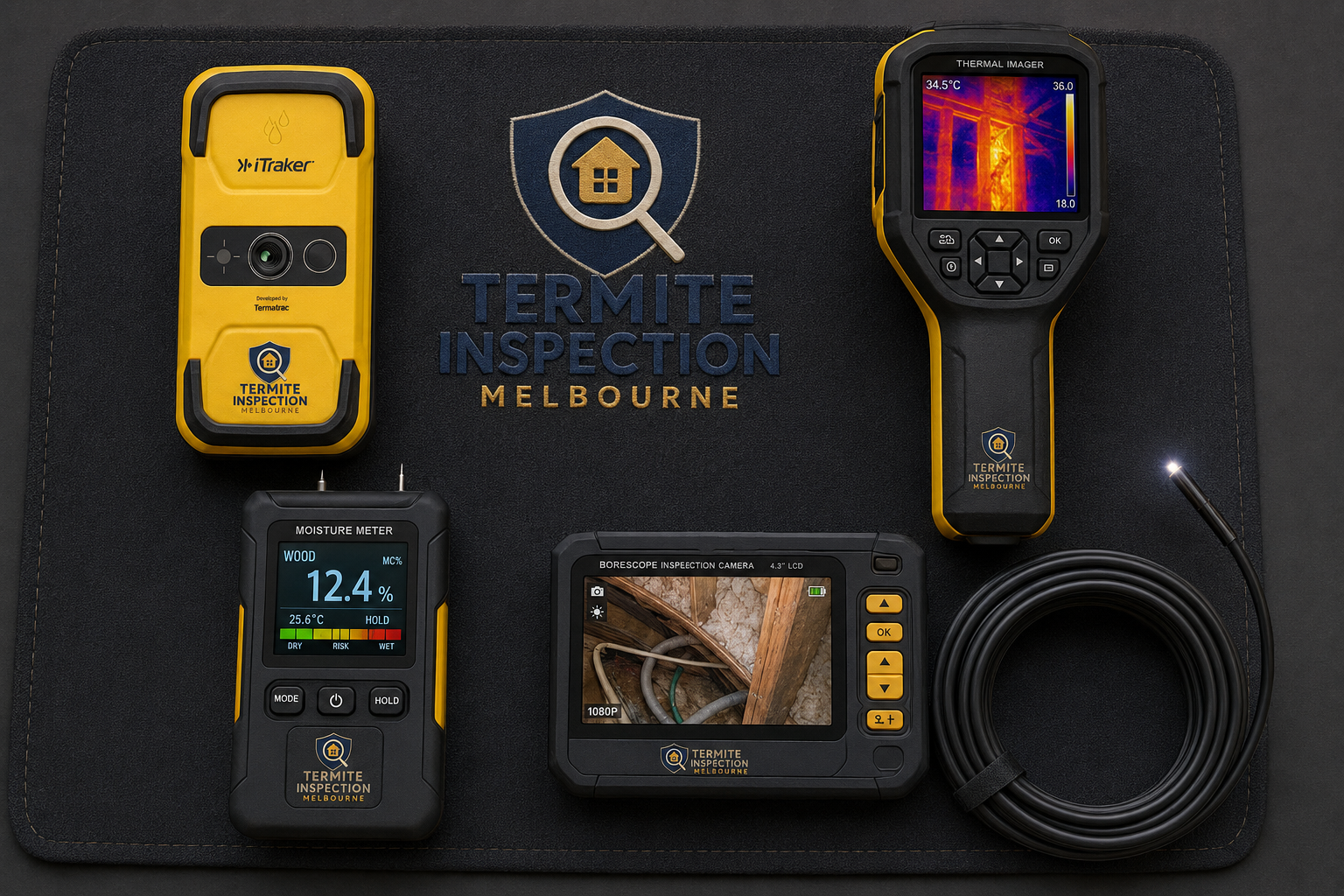
Professional pest inspection equipment used for restaurant and cafe audit services in Melbourne
Transparent hospitality starting prices

Restaurant and Cafe Pest Control Melbourne Pricing

Prices below are monthly starting rates before GST. The free venue audit confirms floor area, kitchen complexity, pest pressure, device quantity, visit frequency, access and reporting before a final proposal is issued.

Small Coffee Shop / Bakery

Compact venue · bi-monthly routine
$140
From $154 incl. GST / month
+$14 GST · monthly starting rate
  • Bi-monthly scheduled service
  • Rodent monitoring as scoped
  • Fly-control and hygiene risk check
  • Digital health logbook record
Optional specialist services

Full-Scale Restaurant

Kitchen, bar, dining and waste zones
$295
From $324.50 incl. GST / month
+$29.50 GST · monthly starting rate
  • Comprehensive monthly maintenance
  • Targeted commercial kitchen treatments
  • Grease, drain and waste-area monitoring
  • 24/7 priority contact pathway under contract
Optional specialist services

Hotel & Multi-Venue Dining

Multiple kitchens, bars or locations
Custom Facility Quote
Tailored portfolio scope and reporting
GST-inclusive proposal supplied
  • Venue-by-venue risk and device maps
  • Portfolio contacts and escalation rules
  • Consolidated management reporting options
  • Custom service calendar and response terms
Pricing disclosure: prices shown are before GST. Final inclusive price, visits, devices, target pests, callouts and exclusions are confirmed in writing after the physical venue audit. Active infestations, specialist access, proofing, equipment supply, steam sanitisation and emergency attendance may be separately quoted. The first-service 20% offer is subject to eligibility and a new recurring agreement.
From urgent sighting to stable prevention

Hospitality Pest-Control Service Timeline

Urgent Triage

We record the pest, exact location, time, food or customer exposure, current controls and venue access. Managers receive containment guidance suitable to the information available. Evidence should be preserved, and unapproved sprays avoided. Same-day response is prioritised subject to route, technician and safety availability.

Venue Audit

The audit maps kitchens, bars, stores, drains, waste, entries, outdoor areas and shared interfaces. Existing devices and records are reviewed. The proposal then confirms frequency, pests, devices, documentation, preparation, price, GST, response conditions and promotional eligibility.

Corrective Treatment

Active German cockroach, rodent or fly problems may need intensive initial work and short-interval review. The objective is to stabilise the infestation while source, cleaning, proofing and maintenance actions are completed. Corrective visits are distinguished from routine monthly maintenance.

Routine Monitoring

Technicians inspect agreed zones, service monitors, check staff sightings, complete authorised targeted work and update records. No captures does not mean devices can be ignored; condition, placement and relevance are checked. Findings are compared with the previous visit.

Corrective-Action Verification

Door repairs, drain cleaning, waste changes, equipment access and landlord actions are reviewed where visible. The pest provider verifies pest evidence, not workmanship beyond its competence. Unresolved actions remain in the report so management can follow through.

Quarterly Program Review

Trends are reviewed by pest, zone and date. Frequency, device placement and thresholds can be adjusted for season, menu, renovation or operating change. Multi-venue groups can compare recurring themes while preserving site-specific limitations.

Records a food business can actually use

Twelve Components of a Strong Restaurant Pest Logbook

1. Contract Scope

Lists the venue zones, target pests, service frequency, inclusions, exclusions and separately charged work.

2. Site Map

Shows kitchen, bar, stores, waste and monitored transition points so service coverage is understandable.

3. Device Register

Records monitor or station identifiers, type, location and status. Maps change when the layout or risk changes.

4. Staff Sighting Log

Captures date, time, exact place, pest description and reporter. Precise sightings improve source tracing.

5. Service Reports

Identify inspected areas, findings, activity, treatment, limitations, recommendations and next due date.

6. Product Records

Provide relevant product and safety information for work performed, subject to contract and site system.

7. Trend Analysis

Compares evidence by pest and zone so repeating hotspots and seasonal changes become visible.

8. Corrective Actions

Assigns cleaning, repair, stock, waste or landlord tasks to a responsible party with a target date.

9. Completion Evidence

Records when an action is reported complete and allows later pest findings to test whether it worked.

10. Escalation Rules

Defines who is called for food contamination, customer-area pests, fresh rodent evidence or repeated captures.

11. Access Limitations

Lists locked, obstructed, hazardous or excluded zones. Unseen areas are not represented as pest-free.

12. Credentials and Review

Keeps current contractor evidence and documents program reviews, scope changes and renewal decisions.

Before the technician arrives

Restaurant Pest-Control Preparation

Preparation depends on the pest and method. Management may need to provide safe access, advise alarms and restricted areas, protect or remove exposed food, clear selected cupboards, identify staff sightings and preserve evidence. Do not begin broad cleaning that destroys all evidence before the initial inspection unless food safety requires immediate action. If stock may be contaminated, follow the venue’s own isolation procedure.

Technicians need access behind and beneath relevant equipment wherever safe. Contractors should not move gas, electrical, plumbed or heavy equipment without suitable authority and competence. The venue may need an appliance or maintenance contractor to expose inaccessible harbourage. Cleaning teams should be told which monitors and bait placements must not be disturbed.

Aerosols, bleach, essential oils and household products can interfere with baits, scatter pests or create exposure concerns. Tell the technician what has already been used. Preparation and re-entry requirements are issued for the approved treatment; generic internet advice does not override the product label or written site instruction.

After treatment and between visits

Protecting Results Without Disrupting Controls

Follow the documented re-entry and cleaning instructions. Food-contact surfaces are managed exactly as directed. Do not remove monitors, wipe gel bait or pressure-clean treated cracks unless the technician confirms it is appropriate. Record every new sighting with time and place instead of waiting until the next visit.

Close operational causes promptly. Repair failed seals, leaks and gaps; remove redundant cardboard; improve stock rotation; clean inaccessible residue; keep bins closed; manage recycling and maintain drains. Where the landlord controls the defect, send the report and retain the response. Repeating pest activity should trigger source analysis, not indefinite repetition of the same chemical.

Routine staff training can be brief but specific: recognise key pests and droppings, know where to log evidence, avoid moving devices and escalate customer-area sightings immediately. Early reports reduce the chance that a small issue becomes visible during service.

Hospitality coverage from Clyde North

Restaurant Pest Control Across Melbourne Service Areas

Our routes serve Melbourne Metropolitan Area, South East Melbourne, Eastern Melbourne, Northern Melbourne, Western Melbourne and the Mornington Peninsula.

South East Melbourne & Clyde North

Operating from 38 Graziers Crescent, Clyde North, our hospitality routes cover Cranbourne, Berwick, Narre Warren, Officer, Pakenham, Dandenong, Hallam, Keysborough and Frankston. New dining precincts, shopping centres, bakeries, takeaway kitchens and shared tenancy walls can create linked cockroach and rodent pathways. A Clyde North pest control plan maps kitchen equipment, bin rooms, grease services, delivery doors and landlord responsibilities, then schedules discreet monitoring around service and cleaning windows.

Eastern Melbourne

Ringwood, Bayswater, Croydon, Doncaster, Box Hill and Glen Waverley include established restaurant strips, food courts, cafes and mixed-use buildings. Older drains, rear service lanes, dense vegetation and shared risers can support flies, rodents and German cockroaches. Restaurant pest control Melbourne programs in these areas distinguish conditions controlled by the operator from common-property defects requiring landlord or centre-management action.

Northern Melbourne

Epping, Preston, Reservoir, Coburg, Brunswick, Thomastown and surrounding suburbs combine late-night dining, bakeries, production kitchens and high-volume deliveries. Warm equipment, abundant cardboard, shared waste and older service penetrations raise pest pressure. We use targeted monitoring, documented kitchen actions and building proofing priorities rather than relying on repeated broad spraying that ignores the source.

Western Melbourne

Footscray, Sunshine, Werribee, Point Cook, Truganina, Laverton and nearby precincts support diverse restaurants, cafes, food production and hospitality venues. Freight corridors and large shared waste compounds can increase rodent and fly exposure. Programs may include external tamper-resistant stations, internal monitoring, drain and waste review, stored-product pest checks and clearly documented escalation for fresh evidence.

Melbourne CBD & Inner Suburbs

CBD, Southbank, Carlton, Richmond, Fitzroy, St Kilda and inner hospitality zones involve basement kitchens, rooftop dining, shared loading docks, connected risers and restricted service access. One tenancy cannot control every route. We coordinate with venue management, cleaners, contractors and building management so device maps, corrective actions and after-hours access remain practical and traceable.

Mornington Peninsula

Mornington, Frankston South, Mount Eliza, Rosebud, Dromana and surrounding Peninsula locations include cafes, restaurants, wineries, breweries, hotels and seasonal venues. Outdoor dining, coastal moisture, landscaping and peak visitor periods alter fly, ant, wasp and rodent pressure. Service frequency can be increased around holidays and events while routine visits remain aligned with kitchen cleaning and delivery schedules.

TIM's Pest Control hospitality technicians serving restaurants and cafes across Melbourne
Local accountability with commercial discipline

Why Melbourne Hospitality Venues Choose TIM's Pest Control

Restaurant managers need clear communication when pests are found, when evidence is inconclusive and when another party must act. We focus on traceable findings, targeted treatment and practical prevention instead of using fear or blanket spraying to sell unnecessary work. Every proposal should state what is included and what is not.

From 38 Graziers Crescent, Clyde North VIC 3978, TIM's Pest Control services cafes, restaurants, bakeries, takeaways, hotels and multi-venue groups across Melbourne. Businesses searching for restaurant pest control near me, cafe pest control Melbourne, restaurant exterminator or pest control for restaurant cost can request a free venue audit and same day commercial quote where availability permits.

Customers may request current evidence supporting licensing, insurance, AEPMA credentials, police checks and commercial public-liability statements before contract approval. If procurement requires AEPMA certified commercial technicians, verify the current business or technician credential for the proposed work. Any advertised $10 million commercial public-liability cover remains subject to the current certificate, policy terms, work category and exclusions. The exact evidence must match the work proposed.

Owners comparing restaurant pest control companies, restaurant pest control cost, pest control for a cafe or a restaurant exterminator near me should compare inspection depth, visit frequency, device quantities, reporting and exclusions—not only the lowest monthly headline. Our free audit is designed to make those commercial differences visible before approval.

  • Hospitality-specific inspection and IPM proposal
  • German cockroach, rodent, fly and stored-product pathways
  • HACCP-supporting digital service records
  • After-hours and low-traffic scheduling options
  • Transparent starting prices and written exclusions
Detailed hospitality answers

Restaurant and Cafe Pest Control Melbourne FAQs

What pest documentation do Melbourne council health inspectors require?

Requirements vary with the venue, council and food-safety program, but a useful pest file normally contains the contracted scope, service frequency, site and device map, dated service reports, pest-sighting register, product and safety information, trend records, corrective actions and evidence that outstanding actions were closed. TIM’s Pest Control can structure restaurant pest-control records to support a venue’s HACCP-based system and council review. The venue operator remains responsible for its overall food-safety compliance.

Can pest treatments be performed while my restaurant is open?

Inspection and selected monitoring work may be possible during trading where it does not expose food, customers or staff. Treatment method, product label, food-handling activity and affected zone determine whether an area must be isolated. We normally favour after-hours or low-traffic appointments for commercial kitchens. Preparation, re-entry and cleaning instructions are confirmed before treatment; a blanket promise that every treatment can occur during service would be unsafe.

How do you treat German cockroaches without contaminating food preparation areas?

German cockroach work begins with inspection of motors, hinges, kickboards, refrigeration seals, cable entries and damp crevices. Exposed food and utensils are protected or removed. Technicians use targeted methods such as enclosed monitors, precisely placed gel bait, crack-and-crevice residual products and insect growth regulators where label directions and site conditions permit. Products are not applied to food or food-contact surfaces, and preparation and post-service requirements are documented.

What is a HACCP-compliant pest management program?

It is a documented pest-management component designed to support the food business’s HACCP-based food-safety system. It uses hazard analysis, monitoring points, thresholds, corrective actions, verification and records. A pest contractor can provide evidence and pest controls, but does not certify the entire restaurant as HACCP compliant. Management must also control cleaning, temperature, suppliers, allergens, stock rotation, maintenance and staff practices.

How quickly can you respond to an urgent pest sighting in a commercial kitchen?

Same-day commercial response can be requested and depends on technician availability, suburb, access, the pest involved and safety requirements. We triage customer-area cockroaches, fresh rodent evidence and food-contamination concerns as urgent. If immediate attendance is unavailable, we provide practical isolation and evidence-preservation guidance and arrange the earliest suitable visit. Out-of-hours attendance is separately priced and requires approval.

How much does restaurant pest control cost in Melbourne?

Indicative recurring plans start from $140 per month before GST for a small coffee shop or bakery, $210 per month before GST for a busy cafe and $295 per month before GST for a full-scale restaurant. Final cost depends on size, kitchen complexity, pest pressure, service frequency, monitoring-device quantity, after-hours access and reporting needs. GST-inclusive starting prices are $154, $231 and $324.50 respectively, with the final proposal confirmed after the venue audit.

How often should a cafe or restaurant receive pest control?

Frequency should follow risk rather than a universal calendar. A small low-risk cafe may suit bi-monthly service, while a busy restaurant, bakery or venue with extensive food preparation generally benefits from monthly monitoring. Active German cockroach or rodent problems may require short-interval corrective visits before moving to maintenance. Season, waste, deliveries, drains, building age and neighbouring tenancies can justify adjustment.

Do you provide digital logbooks and pest-sighting trend reports?

Yes. The agreed reporting package can include dated service reports, device activity, findings, treatment records, photos, recommendations, corrective-action status and trend summaries. Digital records are designed to help managers prepare for internal, customer or council review. They support audit readiness but do not replace the venue’s own records or legal responsibilities.

Are restaurant pest treatments safe around staff, customers and food?

Safety depends on correct product selection, label-compliant application, preparation and re-entry controls. We prioritise inspection, proofing, sanitation advice, monitoring and targeted baiting to limit exposure. Food, packaging, utensils and contact surfaces must be protected as directed. Staff and customers are kept away from controlled areas where required. No pesticide should be described as universally harmless.

Can you control fruit flies, drain flies and house flies?

Yes, subject to correct identification and an agreed scope. Lasting flying-insect control normally combines source removal, drain and waste correction, cleaning verification, door and screen measures, trapping or electronic fly-control equipment and targeted treatment where suitable. Aerosol knockdown alone will not solve larvae developing in organic residue, damaged drains, wet waste or recycling areas.

What happens during the free restaurant pest audit?

The audit reviews food preparation and storage zones, bar and coffee equipment, refrigeration, drains, waste, deliveries, staff sightings, pest entry points, current devices, neighbouring-tenancy pathways, operating hours and reporting needs. It supports a written IPM proposal and is not free treatment or certification. Eligibility, travel, safe access and promotion terms are confirmed at booking.

Do you service hotel dining, multi-venue groups and franchise locations?

Yes. Multi-venue programs can use a common reporting framework while preserving venue-specific maps, findings and responsibilities. We confirm contacts, access, billing, escalation, response targets and reporting at onboarding. Portfolio summaries can identify repeated risks without treating one venue’s records as proof of another venue’s condition.

Protect your kitchen before the next sighting reaches a customer

Book Your Free Restaurant Pest Audit

Give your venue a defined hospitality pest-management scope, targeted kitchen controls and records management can use. Call TIM's Pest Control on 0466 929 533 to request an urgent inspection or start a recurring program for one Melbourne restaurant, cafe or multi-venue group.

Free audit and same-day response are subject to location, safe access, technician availability and promotional eligibility. The first-service 20% discount applies only to eligible new recurring programs confirmed in writing. Treatment, specialist access, proofing and installations are not automatically included.