
Cockroach Identification Guide
Cockroach Facts & Identification: A TIM Pest Control Expert Guide
Get a Free Quote Now!
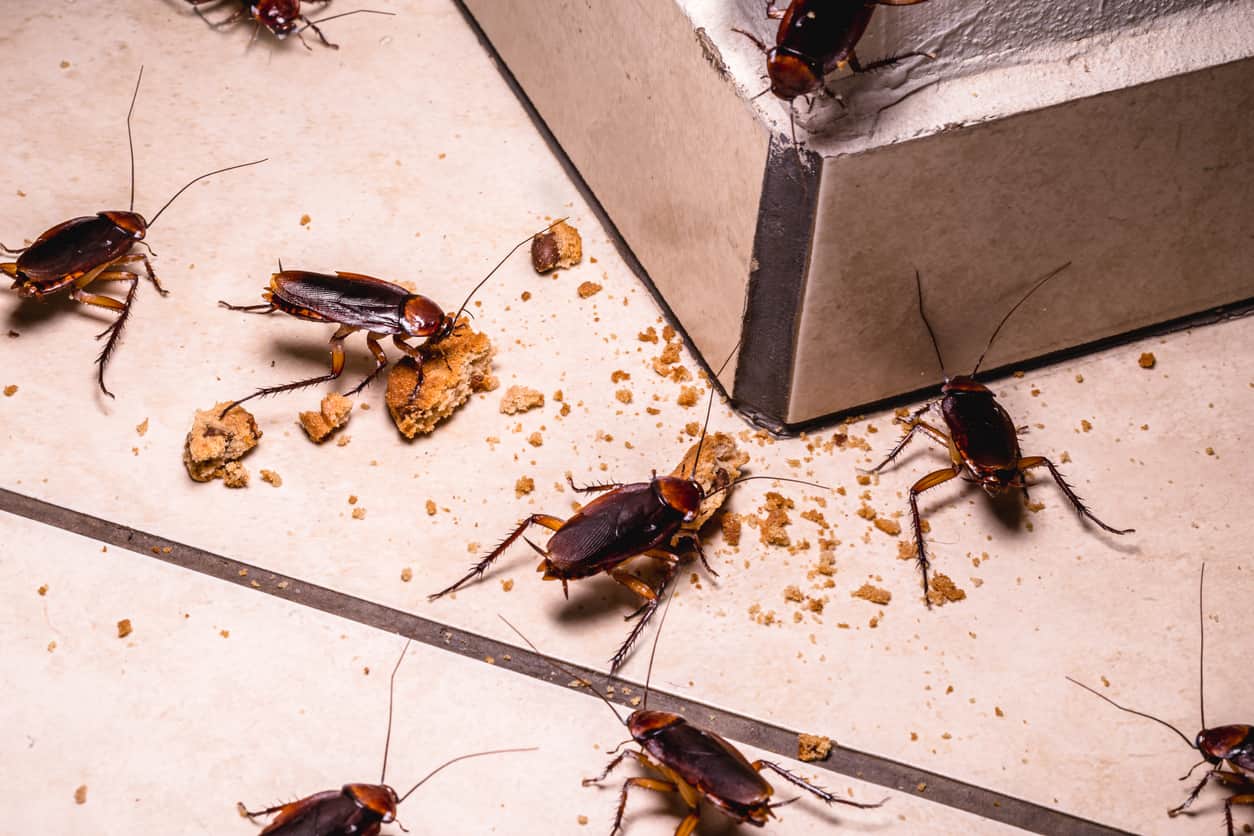
Cockroaches are more than just an unsettling sight; they are a serious threat to your health and property. As one of the most resilient pests, a cockroach infestation requires professional knowledge for effective elimination.
At TIM Pest Control, we believe accurate identification is the first step toward a cockroach-free home or business. This comprehensive guide will help you identify the most common roach species in our area and understand the critical signs of an infestation. When you’re ready for a guaranteed solution, our experts are here to help.
Why Cockroach Identification is Critical for Effective Control
Not all cockroaches are the same. Different species exhibit different behaviors, prefer various habitats, and require tailored treatment strategies. Misidentification can lead to ineffective DIY methods, allowing the infestation to grow.
Knowing whether you have German cockroaches living in your kitchen or American cockroaches invading from the sewer system is essential for TIM technicians to:
- Target the Source: Locate primary nesting and harborage sites.
- Select the Right Treatment: Use species-specific baits, insecticides, and growth regulators.
- Implement Effective Exclusion: Seal the correct entry points to prevent re-infestation.
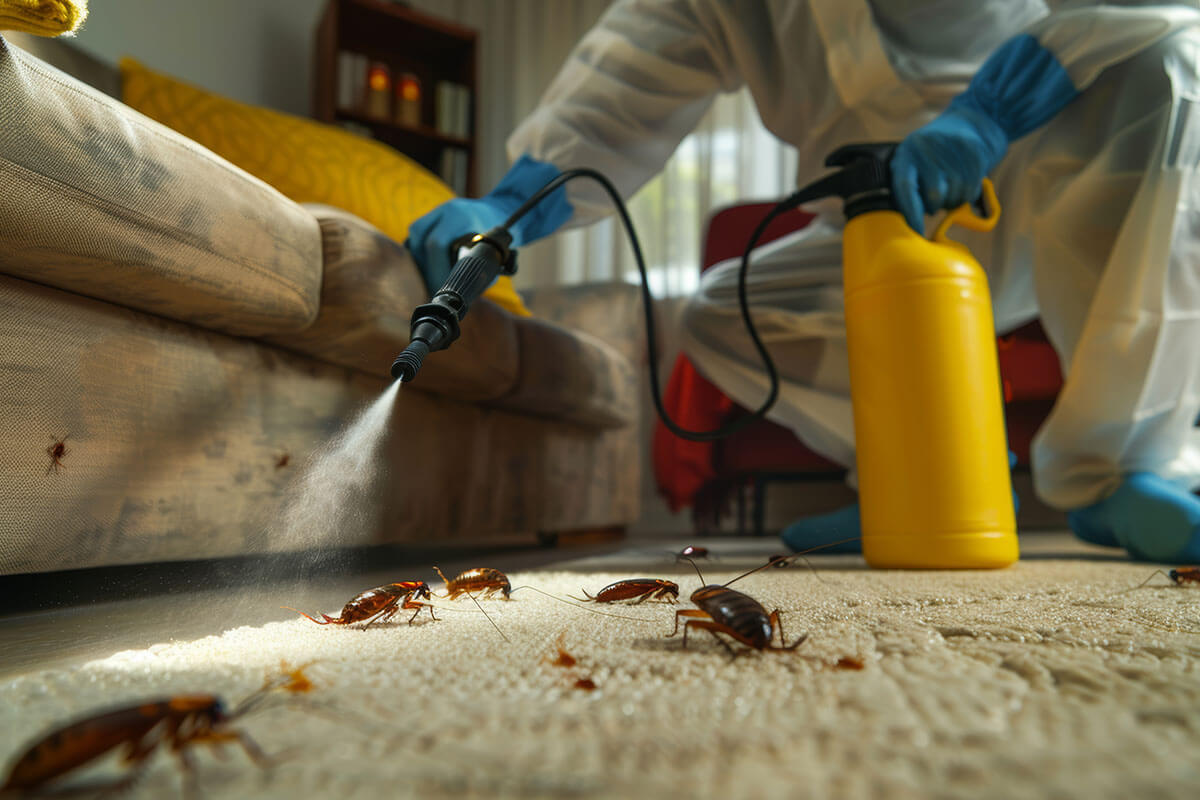
Meet the Common Culprits: A Cockroach Identification Guide
1. German Cockroach (Blattella germanica)
The most common and problematic indoor species, often found in restaurants and homes.
- Size & Appearance: ½ to ⅝ inch long. Light brown to tan with two dark, almost parallel stripes running from behind the head to the base of the wings.
- Habitat & Behavior: Prefers warm, humid areas near food and water. Commonly found in kitchens and bathrooms—inside appliances, under sinks, and in cabinet cracks.
- TIM’s Insight: This species reproduces faster than any other. A single female can produce over 30,000 offspring in a year. DIY store-bought sprays often scatter them deeper into walls, making the problem worse. Professional intervention is almost always required.
2. American Cockroach (Periplaneta americana)
The largest common species, often called “palmetto bugs.” They are notorious for invading from the outside.
- Size & Appearance: 1½ to 2 inches long. Reddish-brown with a distinctive yellowish figure-8 pattern on the back of its head.
- Habitat & Behavior: Prefers dark, moist, and decaying organic matter. Commonly found in basements, crawl spaces, sewers, and storm drains. They often enter structures through plumbing and floor drains.
- TIM’s Insight: While they live outdoors, they will come inside in search of food and water. Their large size and ability to fly can be particularly alarming. Control involves both interior treatment and exterior perimeter defense.
3. Australian Cockroach (Periplaneta australasiae)
Often mistaken for the American cockroach, but with key distinguishing features.
- Size & Appearance: 1 to 1½ inches long. Similar reddish-brown color to the American roach, but slightly smaller. Its most identifiable feature is a prominent yellowish margin on the thorax and yellow streaks on the outer front part of its wings.
- Habitat & Behavior: Primarily an outdoor species. It thrives in greenhouses, garden mulch, under tree bark, and in shrubbery. It commonly enters homes through attic vents or under doors, attracted by light and warmth.
- TIM’s Insight: The Australian cockroach is a strong flier. While it prefers the outdoors, it won’t hesitate to come inside. Effective control requires focusing on the perimeter of the structure, landscaping management, and sealing upper-level entry points like eaves and vents.
4. Smoky Brown Cockroach (Periplaneta fuliginosa)
A uniform, dark-colored roach that is closely associated with moisture.
- Size & Appearance: 1¼ to 1½ inches long. Its body is a uniform, dark, glossy mahogany or blackish-brown color. Its wings are long, extending beyond the tip of its abdomen.
- Habitat & Behavior: This species is highly dependent on moisture and is almost always found outdoors. It lives in leaf litter, woodpiles, tree holes, and mulch beds. It is a strong flier and is attracted to lights at night.
TIM’s Insight: The Smoky Brown cockroach is a frequent unwelcome guest in garages, sheds, and attics. The key to control is reducing excess moisture around the property (fixing leaks, improving drainage) and installing tight-fitting seals on doors and windows.
5. Brown-banded Cockroach (Supella longipalpa)
A smaller roach that has very different habits from the German cockroach.
- Size & Appearance: About ½ inch long. Light brown to dark brown. The key identifying feature is two light, transverse bands across the base of the wings and abdomen. These bands are more prominent in nymphs.
- Habitat & Behavior: Unlike most roaches, the Brown-banded prefers warm, dry, and high-up locations. They are often found in rooms other than kitchens and bathrooms, such as bedrooms and living rooms. Look for them behind picture frames, under chairs and tables, inside electronics, and on the upper shelves of cabinets.
- TIM’s Insight: Because they hide in such scattered, non-traditional areas, Brown-banded cockroaches are often the most challenging for homeowners to self-treat. Our technicians perform meticulous inspections to find their harborage sites, which is critical for successful control.
6. Oriental Cockroach (Blatta orientalis)
Often called “water bugs” due to their strong preference for damp, cool environments.
- Size & Appearance: 1 to 1¼ inches long. Glossy, dark brown or black body. Their wings are underdeveloped; females appear wingless, while males have short wings.
- Habitat & Behavior: Thrives in cool, damp areas like basements, floor drains, leaky pipes, and under mulch or leaf litter. They have a strong, unpleasant odor.
- TIM’s Insight: Oriental cockroaches are harder to control with baits because they prefer decaying organic matter. Our treatment focuses on moisture control and creating a dry, hostile environment, combined with strategic insecticide application.
5 Tell-Tale Signs of a Cockroach Infestation
You often see the evidence before you see the live pest. Look for these signs:
- Droppings: Resemble coarse black pepper or coffee grounds (German) or cylindrical, ridged capsules (American/Oriental).
- Smear Marks: Dark, irregular smears along walls and floor joints where roaches travel.
- Egg Casings (Oothecae): Small, brown, purse-shaped capsules that hold multiple eggs.
- Unusual Odor: A persistent, musty, “oily” smell that can permeate areas of heavy infestation.
- Shed Skins: As nymphs (young roaches) grow, they shed their skin 5-8 times. Finding these light-brown, hollow shells is a clear sign of an active, breeding population.
The Health Risks: Why Cockroaches Are Dangerous
Cockroaches are a severe public health threat. They are known to:
- Trigger Allergies & Asthma: Their saliva, droppings, and shed skin are potent allergens, especially dangerous for children.
- Spread Disease & Bacteria: They crawl through sewage and garbage, then track germs like Salmonella and E. coli onto countertops, dishes, and food.
- Contaminate Food: They will eat almost anything, leaving behind harmful bacteria.
Why DIY Cockroach Control Often Fails
Cockroaches are incredibly resilient, can develop resistance to pesticides, and hide in inaccessible areas. Store-bought solutions often act as “flushing agents,” driving roaches deeper into walls, splintering the infestation and making it harder to eradicate.
The TIM Pest Control Solution provides:
- Expert Inspection: We correctly identify the species and locate all harborage sites.
- Integrated Pest Management (IPM): We use a combination of gel baits, insect growth regulators (IGRs), and targeted residuals to break the breeding cycle.
- Follow-up & Guarantee: Cockroach control is a process. We provide follow-up services to ensure the problem is solved, backed by our guarantee.
Frequently Asked Questions
I see one cockroach. Should I be worried?
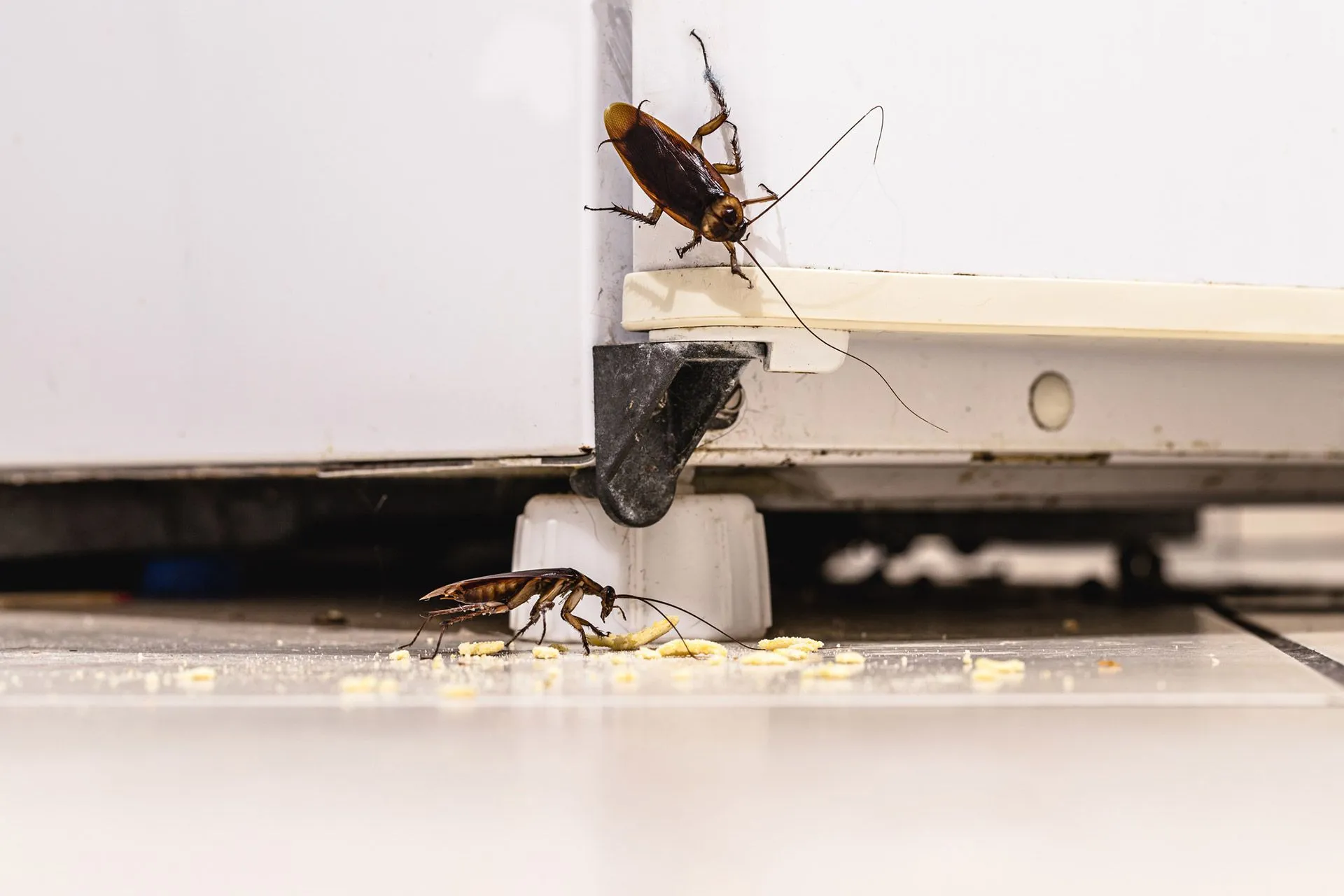
Yes. Cockroaches are nocturnal and excellent at hiding. Seeing one, especially during the day, often indicates a larger, hidden infestation.
What's the most common cockroach found in kitchens?
The German cockroach is by far the most common indoor kitchen pest due to its need for moisture and proximity to food sources.
I found a large, dark roach in my garage. What is it likely to be?
This could be an American, Australian, or Smoky Brown cockroach. All are peridomestic (live primarily outdoors) but frequently wander into garages and homes. A professional inspection can pinpoint the species for the most effective treatment.
What are the most common types of cockroaches in Melbourne?
Melbourne is home to several cockroach species, but the most common pests that invade our homes and businesses are:
- German Cockroach: The #1 indoor pest cockroach.
- Australian Cockroach: A common outdoor species that often ventures inside.
- American Cockroach: A large cockroach often found in commercial premises and sub-floors.
- Oriental Cockroach: A dark, shiny cockroach that prefers cool, damp areas.
How can I tell which cockroach I have?
Here is a quick identification guide:
Cockroach Type | Size & Colour | Key Identifying Features | Preferred Habitat in Melbourne Homes |
|---|---|---|---|
German | 12-15mm, Light brown with two dark parallel stripes behind the head. | Small, fast, carries egg case (ootheca) until ready to hatch. | Indoors: Warm, humid areas near food & water. Kitchens, bathrooms, appliance motors, cracks and crevices. |
Australian | 25-35mm, Reddish-brown with a distinctive yellow margin on the thorax and yellow spots on the upper wings. | Looks similar to the American but has distinctive yellow “headlights”. | Primarily Outdoors: Garden mulch, woodpiles, under bark. Comes inside for food and water, often through open doors/windows. |
American | 35-40mm, Reddish-brown with a pale yellow border around the thorax. | The largest common pest species. Very fast. | Damp, Dark Areas: Sub-floors, basements, roof voids, drains, sewers, and commercial kitchens. |
Oriental | 20-25mm, Glossy dark brown or black. | Wingless female has a wider, beetle-like body. Moves slower than other species. | Cool, Damp Areas: Under sinks, under washing machines, in damp sub-floors, and around drains. Often called a “water bug.” |
I only see one cockroach. Should I be worried?
Yes, you should be concerned. Cockroaches are nocturnal and excellent at hiding.
- For German Cockroaches: Seeing one, especially during the day, often indicates a significant, hidden infestation. A single female and her offspring can produce thousands of roaches in a year.
- For Large Outdoor Species (American/Australian): A single roach might have wandered in accidentally, but it signals that your property has conditions (food, moisture, entry points) that are attractive to them.
What are the health risks associated with cockroaches?
Cockroaches are more than just a nuisance; they are a serious health concern. They can:
- Contaminate Food: They walk through garbage, sewage, and decaying matter, then track bacteria onto your food and surfaces.
- Spread Disease: They are known to carry pathogens like Salmonella, E. coli, and other germs that can cause food poisoning and diarrhoea.
- Trigger Allergies & Asthma: Their shed skin, droppings, and saliva contain potent allergens that can trigger asthma attacks, especially in children.
I've found a cockroach in my kitchen. What should I do immediately?
- Clean Thoroughly: Wipe down all surfaces to remove food and grease residue. Don’t leave dirty dishes overnight.
- Remove Food Sources: Store all food in sealed containers. Take out the garbage regularly.
- Dry Up Moisture: Fix any leaking taps and don’t leave water in sinks overnight.
- Capture or Photograph: If possible, safely capture or take a clear photo of the cockroach for identification by a professional.
- Call a Professional: For German cockroaches, DIY methods often fail and can scatter the infestation. Contact TIM Pest Control for a professional inspection and treatment plan.
Can I get rid of cockroaches myself?
While supermarket sprays and baits can kill a few individual roaches, they are rarely effective for an entire infestation, especially with German cockroaches. These pests quickly develop resistance to over-the-counter insecticides, and incorrect application can make the problem worse. Professional-grade products and targeted strategies are far more effective and longer-lasting.
Why should I choose TIM Pest Control for cockroach removal?
TIM Pest Control is a Melbourne-based company with local expertise. Our approach includes:
- Accurate Identification: We determine the exact species to tailor the treatment.
- Thorough Inspection: We find all hiding spots and harbourages.
- Targeted Treatment: We use a combination of professional-grade gels, baits, and insect growth regulators (IGRs) to break the breeding cycle.
- Safe & Family-Friendly: Our methods are effective yet safe for your family and pets when applied correctly.
- Guaranteed Results: We stand by our work with a satisfaction guarantee.
How can I prevent cockroaches from coming back?
Prevention is key to long-term control:
- Seal Entry Points: Caulk cracks in skirting boards, walls, and around pipes.
- Maintain Cleanliness: Vacuum regularly and clean up food spills immediately.
- Reduce Clutter: Remove stacks of newspaper, cardboard boxes, and other clutter that provides hiding spots.
- Manage Moisture: Fix leaks, improve ventilation in damp areas, and ensure gutters are clear.
- Professional Maintenance: Consider regular preventative pest control treatments, especially if you live in an apartment block or a high-risk area.
Is TIM Pest Control's treatment safe for my family and pets?
Absolutely. We prioritize your family’s safety. We use EPA-registered products and targeted application methods that are highly effective against pests while posing minimal risk to people and pets when used according to label directions, which we strictly adhere to.