
Rodent Facts & Identification Guide
Rodent Facts & Identification: A TIM Pest Control Expert Guide
Get a Free Quote Now!
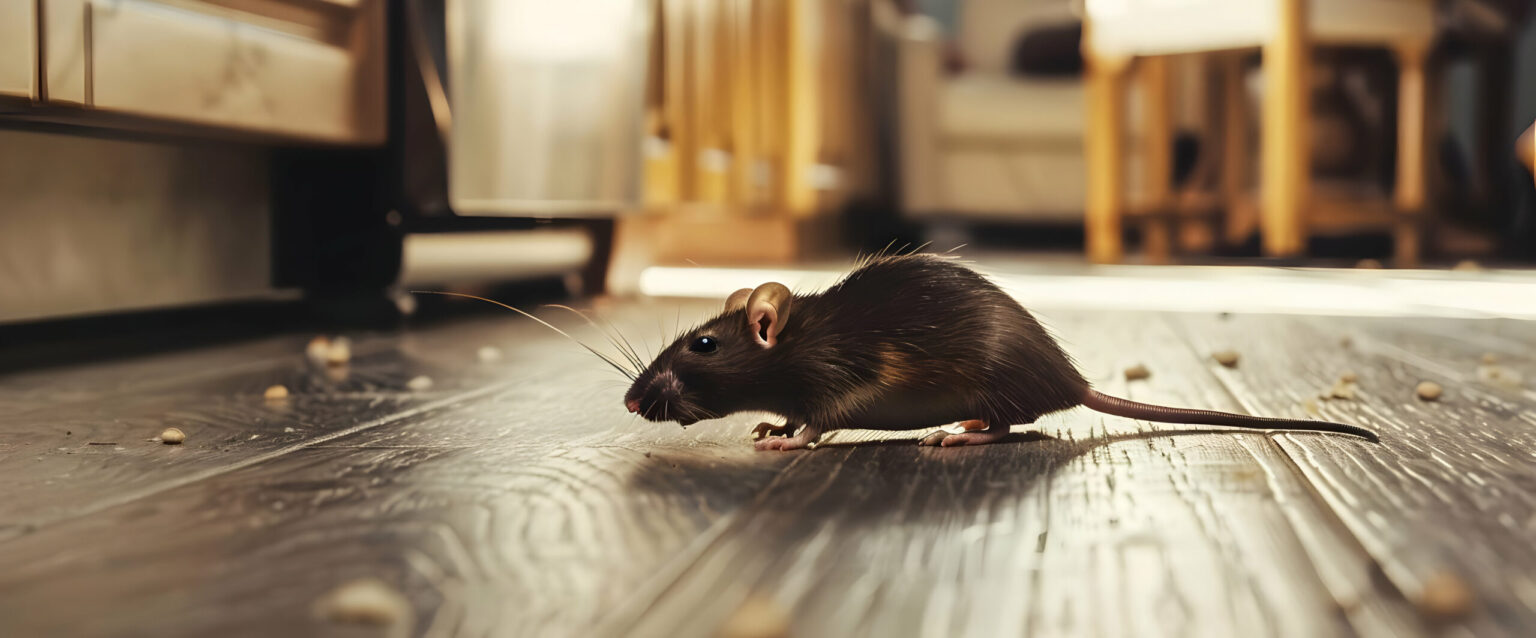
Discovering a rodent in your home or business is a stressful experience. At TIM Pest Control, we believe knowledge is the first line of defence. Correctly identifying the type of rodent you’re facing is crucial for effective removal and long-term prevention.
This expert guide will help you identify common rodents and understand their behaviour, empowering you to spot the signs early. When you’re ready for a permanent solution, TIM Pest Control is here to help.
Why Proper Rodent Identification Matters for Effective Control
You might think “a pest is a pest,” but misidentifying a rodent can lead to failed DIY efforts. House mice and rats require different control strategies due to their size, behaviour, and nesting habits. Knowing your enemy allows our TIM technicians to:
- Select the most effective bait and trap types.
- Locate hidden nesting areas and entry points.
- Implement a targeted, species-specific elimination plan.

Meet the Common Culprits: A Visual Identification Guide
1. The House Mouse (Mus musculus)
The most frequent home invader, these small, agile rodents can cause big problems.
- Size & Appearance: 2.5 to 4 inches long (body), with a tail of similar length. Pointed snout, large ears, and small, beady eyes.
- Color: Light brown or gray fur.
- Droppings: The most common sign. Small (¼ inch), rod-shaped with pointed ends, scattered along runways.
- TIM’s Insight: They can squeeze through a hole the size of a dime! They nest in quiet, hidden areas like wall voids and attics. Their rapid reproduction means a small problem can become a full-blown infestation in weeks.
2. The Norway Rat (Rattus norvegicus)
Also known as sewer rats or brown rats, these are large, powerful, and highly destructive.
- Size & Appearance: 7 to 10 inches long (body), with a tail shorter than its body. Blunt snout, small ears, and a heavy, thick body.
- Color: Brown or grayish, shaggy fur.
- Droppings: Large (¾ inch), capsule-shaped with blunt ends.
- TIM’s Insight: Norway rats are burrowers. We often find their extensive tunnel systems along building foundations and in crawl spaces. They are strong swimmers and can enter properties via sewer lines, requiring specialized exclusion techniques.
3. The Roof Rat (Rattus rattus)
Also called black rats, they are sleeker and more agile than their Norway cousins.
- Size & Appearance: 6 to 8 inches long (body), with a tail longer than its body. Pointed snout, very large ears, and a slender build.
- Color: Dark black to sleek brown.
- Droppings: Similar to Norway rat droppings but smaller and more spindle-shaped.
- TIM’s Insight: As the name suggests, they are exceptional climbers. Our inspectors frequently find Roof Rat nests in elevated locations like attics, ceilings, and trees. This preference demands a different inspection and treatment approach than for ground-dwelling rats.
Signs of a Rodent Infestation: Don’t Wait to See the Pest Itself
If you notice any of the following, it’s time to call TIM Pest Control for an inspection:
- Droppings: Found in cupboards, along baseboards, or in attics.
- Gnaw Marks: New chew marks on wires, food packaging, or wood. This constant gnawing is a major fire hazard.
- Grease Marks: Dark, greasy smudges on walls from their fur as they travel the same paths.
- Strange Noises: Scratching or scuttling in walls, ceilings, or under floors at night.
- Nests: Shredded paper, insulation, or fabric gathered in hidden spots.
Rodent Prevention Tips from the TIM Pest Control Pros
While our experts can solve any infestation, preventing one is always better. Here are our top tips:
- Seal Entry Points: Use steel wool and caulk to seal cracks and holes larger than ¼ inch around your foundation, utility lines, and roof vents.
- Eliminate Food Sources: Store food (including pet food) in airtight containers. Keep kitchens clean and manage garbage diligently.
- Reduce Clutter: Remove potential nesting sites in garages, basements, and attics.
- Manage Landscaping: Keep tree branches trimmed back from your roofline and store firewood away from your home’s exterior.
When DIY Isn't Enough: The TIM Pest Control Solution
While traps can catch a mouse or two, they rarely solve a full infestation. Rodents are intelligent, prolific breeders that quickly learn to avoid threats. TIM Pest Control offers a comprehensive, three-step solution:
- Inspection & Identification: Our certified technicians will perform a thorough inspection to identify the pest species, locate all entry points, and assess the level of activity.
- Customized Treatment Plan: Using the information from our inspection, we create a targeted plan using the most effective and responsible methods to eliminate the current population.
- Exclusion & Prevention: The most critical step. We don’t just remove the pests; we seal them out for good by addressing the entry points we identified, providing you with long-term peace of mind.
Frequently Asked Questions
Rats and mice are more than just a nuisance; they are a threat to your property and health. As Melbourne’s trusted pest control experts, TIM Pest Control has compiled the most common questions we receive to help you identify, understand, and address rodent problems effectively.
Identification & Behaviour
What are the most common rodents in Melbourne?
The two most common pest rodents in Melbourne are the Norway Rat (Rattus norvegicus), also known as the brown or sewer rat, and the Roof Rat (Rattus rattus), also known as the black or ship rat. The House Mouse (Mus domesticus) is also extremely prevalent and can be identified by its smaller size.
How can I tell if I have rats or mice?
Here’s a quick identification guide:
Feature | Norway Rat | Roof Rat | House Mouse |
|---|---|---|---|
Size | Large (16-40cm body + tail) | Slender (16-24cm body + tail) | Small (6-10cm body + tail) |
Ears & Nose | Blunt nose, small ears | Pointed nose, large ears | Pointed nose, large ears |
Tail | Shorter than body & head | Longer than body & head | About same length as body |
Droppings | Large (up to 20mm), capsule-shaped | Medium (up to 12mm), spindle-shaped | Small (3-6mm), rod-shaped |
Nesting | Burrows in soil, under buildings | High places (roofs, trees, ceilings) | Nests indoors near food sources |
What are the signs of a rodent infestation?
Key signs include:
- Droppings: Finding fresh droppings in cupboards, along skirting boards, or in storage areas.
- Gnaw Marks: Damage to food packaging, wires, pipes, wood, and furniture.
- Grease Marks: Dark, greasy smudges along walls and beams from their fur.
- Scratching Noises: Sounds of scurrying or scratching in walls, ceilings, or under floors, especially at night.
- Nests: Shredded paper, fabric, insulation, or other soft materials in hidden locations.
- Unusual Pet Behaviour: Cats or dogs becoming excited or fixated on a particular area.
Are rodents active all year round in Melbourne?
Yes, but infestations often become more noticeable in autumn and winter. As the weather cools, rats and mice seek shelter, warmth, and food indoors. However, Melbourne’s moderate climate allows for year-round breeding, making constant vigilance important.
Risks & Health Concerns
What diseases do rodents carry?
Rodents are known to carry and transmit several serious diseases through their urine, droppings, saliva, and parasites (like fleas and mites). These include:
- Leptospirosis (Weil’s disease)
- Salmonellosis
- Hantavirus
- Rat-Bite Fever
They can also contaminate food surfaces and storage areas with harmful bacteria.
Can rodents cause property damage?
Absolutely. Rodents gnaw constantly to keep their incisor teeth worn down. This behaviour can lead to:
- Fire Hazards: Chewed electrical wiring.
- Water Damage: Gnawed through PVC pipes.
- Structural Damage: Compromised insulation, drywall, and timber.
- Damage to Belongings: Ruined food stores, clothing, documents, and furniture.
Prevention & DIY Control
How can I prevent rodents from entering my home?
- Seal Entry Points: Block holes, gaps around pipes, and cracks in foundations with steel wool, hardware cloth, or cement. Remember, a mouse can fit through a hole the size of a pencil!
- Manage Vegetation: Trim tree branches away from your roof and keep shrubs tidy to remove rodent highways.
- Eliminate Food Sources: Store food in airtight containers, clean up spills immediately, and secure compost bins and chicken coops.
- Reduce Clutter: Eliminate potential nesting sites in garages, sheds, and roof voids.
Are store-bought baits and traps effective?
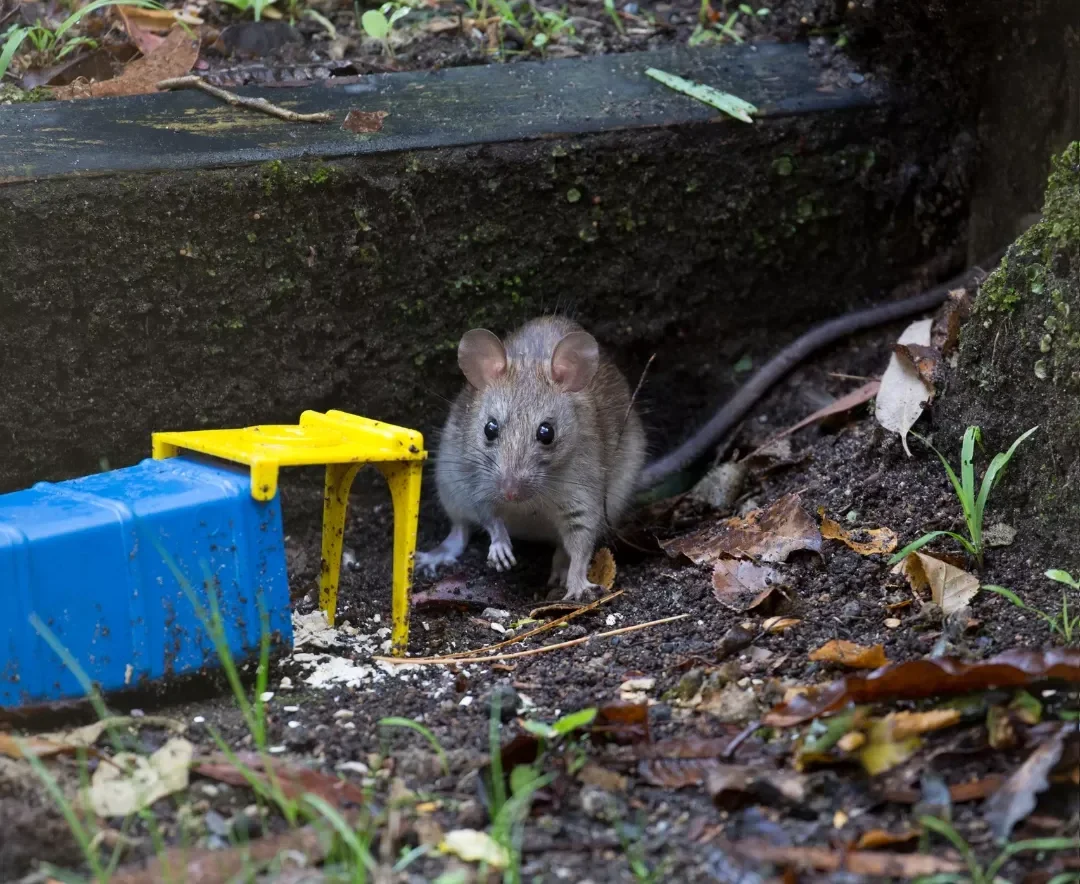
While traps and baits can eliminate individual rodents, they are often ineffective for a full-blown infestation. Rodents are neophobic (wary of new objects), and over-the-counter solutions may not address the root of the problem—the breeding colony and entry points. Incorrect placement of baits can also pose risks to children, pets, and non-target wildlife.
My cat catches mice; do I still need professional help?
While a cat is a good deterrent, it is rarely a complete solution. A single female mouse can have up to 60 offspring in a year. A cat cannot keep up with a breeding population and will not address the hidden nests, contamination, or structural damage.
Professional Rodent Control
When should I call a professional pest controller?
You should contact TIM Pest Control if:
- You see a live or dead rodent inside your home.
- You notice persistent signs of gnawing, droppings, or noises.
- DIY methods have failed to resolve the problem.
- You suspect an infestation in your roof, wall cavities, or sub-floor.
- You want a preventative barrier treatment for your property.
What does a professional rodent treatment involve?
TIM Pest Control provides a comprehensive, three-step approach:
- Inspection & Assessment: Our technicians conduct a thorough inspection to identify the rodent species, locate entry points, nesting sites, and assess the infestation’s scale.
- Customised Treatment Plan: We develop a strategic plan using professional-grade rodenticide baits placed securely in tamper-resistant bait stations, along with trapping where appropriate. We focus on safety and effectiveness.
- Exclusion & Proofing: We will identify and advise on sealing major entry points to prevent re-infestation. This is the key to a long-term solution.
Are your rodent control methods safe for my family and pets?
Yes. Safety is our paramount concern. We use locked, tamper-resistant bait stations that are placed in areas inaccessible to children and pets. The rodenticides we use are professional-grade and are deployed according to strict Australian safety standards. We will provide you with a detailed report and safety advice following the treatment.
How long does it take to get rid of rodents?
You will typically notice a significant reduction in activity within a few days. However, complete control can take 1-3 weeks, depending on the infestation’s size. Rodents need to consume the bait over several days, and we often schedule a follow-up visit to ensure the problem is fully resolved.
Do you offer a guarantee on your rodent control services?
Yes, TIM Pest Control stands by the quality of our work. We offer a service guarantee period for our rodent treatments, ensuring that if the problem persists within that timeframe, we will return to address it at no extra cost. Please contact us for specific guarantee terms.