
Termite Inspection
Termite Inspection & Treatment Melbourne | Get a Quotes & Expert Reports| Protect Your Home
Get a Free Quote Now!
Melbourne’s termite experts. CSIRO states 1 in 3 homes get termites. Get comprehensive inspection & treatment. Don’t risk uninsured damage. Get Quote! Protect your Melbourne home from costly damage. VIC-certified termite inspectors offer thorough inspections, same-day reports, and free quotes. Schedule your peace of mind today!
Termite Inspection and Treatment in Melbourne: Protect Your Melbourne Home from Destructive Termites.
Your home is your most valuable investment. Don’t let silent destroyers like termites compromise its safety and structure. Our Melbourne-based, fully qualified pest inspectors provide comprehensive termite inspections to give you certainty and peace of mind.
Termites (commonly known as white ants) are silent destroyers, responsible for millions of dollars in structural damage across Melbourne and Victoria each year. With the CSIRO finding that 1 in 3 Australian homes will be affected by termites, the risk to your property is real.
The critical fact for Melbourne homeowners is that most insurance policies do not cover termite damage. This makes professional prevention and early intervention through regular termite inspections and effective termite treatments your first and most important line of defence.
The Termite Inspection Melbourne Solution
At Termite Inspection Melbourne, we are your local specialists in termite management. Our two-step process is designed to protect your property completely:
- Thorough Termite Inspections: Our certified inspectors conduct detailed examinations of your property, using advanced tools to detect termite activity and identify conditions that attract them. We provide clear, actionable reports.
- Effective Termite Treatments: If we find termites, we offer a range of modern treatment solutions, including chemical barriers and baiting systems, to eliminate the infestation and protect your home from future attacks.

Suspect Termites? | Do Not Disturb | Call Termite Inspection Melbourne
Found termite damage in your Melbourne home? Important: Do not disturb them! Call Termite Inspection Melbourne first at 0466 929 533 for expert guidance and a urgent inspection.
Do You Think You Have Termites? Here’s What to Do NOW.
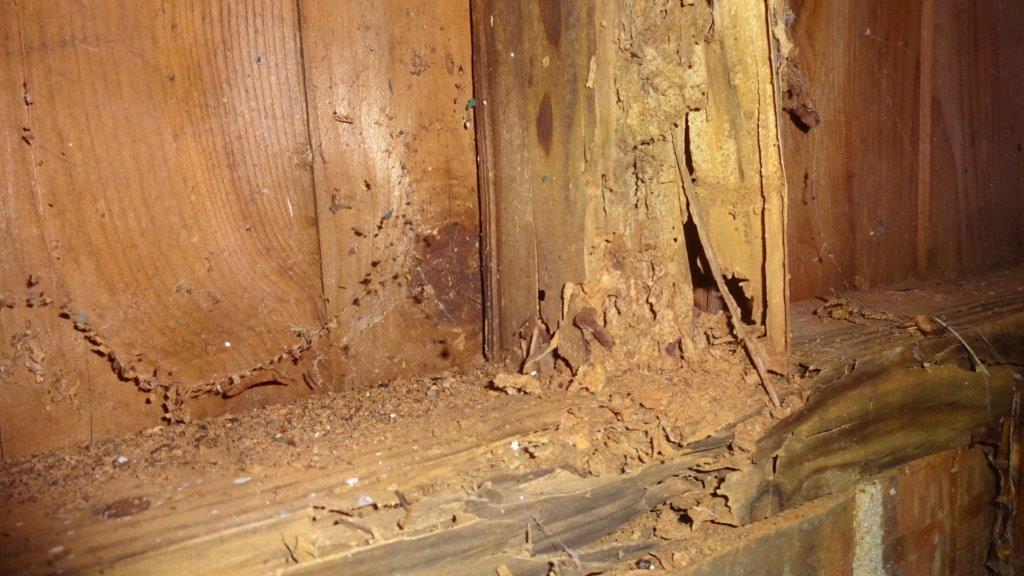
Discovering potential termite damage in your Melbourne home can be alarming. If you notice a suspect skirting board, door frame, or signs of mudding, it is critical that you do not disturb or break open the damaged wood.
Why You Shouldn’t Disturb Termites:
Disturbing the termites’ workings (galleries) causes them to retreat. They will seal off the area and likely move to a different, undetected part of your home to continue causing damage, making a professional inspection and treatment much more difficult.
The First and Most Important Step:
Call the professionals at Termite Inspection Melbourne immediately at [0466 929 533].
Our customer service team are local Melbourne termite experts. We will guide you through the exact steps to take and can schedule an urgent, comprehensive termite inspection to accurately assess the situation.
How to Tell if You Have Termites? | 7 Key Signs | Termite Inspection Melbourne
Worried you have termites in your Melbourne home? Look for bubbling timber, mud patches & soft flooring. We provide reliable termite inspections for over years. Call now!
How Do You Tell if You Have Termites? 7 Key Signs for Melbourne Homes
Termites are secretive pests, often causing significant damage long before they’re discovered. Knowing the early warning signs can save you from costly structural repairs. At Termite Inspection Melbourne, we’ve identified the most common indicators that Melbourne homeowners find.
Top Signs of a Termite Infestation
- Bubbling or Distorted Timber: Termites consume wood from the inside out. As they hollow out the timber, the surface paint or varnish can begin to bubble, blister, or appear wrinkled.
- Mud Packing and Patches: To protect themselves from light and dry air, termites will patch up holes they create with a clay-like mud. You might see this on skirting boards, doorframes, or walls.
- Hollow-Sounding or Soft Timber: If your wooden flooring feels soft or spongy underfoot, or if a skirting board easily gives way (e.g., from a vacuum cleaner bump), it may have been hollowed out.
- Visible Mud Tubes: Subterranean termites build pencil-sized mud tunnels along foundation walls, floor joists, or in sub-floors to travel from their soil nest to their food source (your house!).
- Frass (Termite Droppings): Drywood termites push their fecal pellets out of small kick-out holes in wood. This appears as a small pile of gritty, coffee-ground-like droppings.
- Stuck Doors or Windows: As termites eat wood, they produce moisture that causes the timber to warp. This can make doors and windows difficult to open or close.
- Discarded Wings: During swarming season, reproductive termites shed their wings. Finding small, identical wings on window sills or near doors is a strong sign of a nearby colony.
Where to Look for Termites Inside Your Melbourne Home
The most common places homeowners find termite activity are in:
- Skirting Boards
- Architraves and Doorframes
- Timber Flooring
- Sub-floor areas
- Windowsills
Found One of These Signs? Here's What to Do Next
If you notice any of these warning signs, it is crucial not to disturb the area. Disturbing termites can cause them to retreat and move to a new, hidden part of your home, making eradication more difficult.
The first and most important step is to call the professionals at Termite Inspection Melbourne at [0466 929 533].
Our accredited inspectors will conduct a thorough termite inspection to accurately identify the species, locate the nest, and assess the extent of the damage.
Why Choose Our Termite Inspection Melbourne Service?
VIC Certified & Fully Insured
Our inspectors are licensed and insured, ensuring professional and reliable service across Melbourne and its suburbs.
Advanced Detection Technology
We use moisture meters, acoustic detectors, and thermal imaging cameras to find termite activity that visual inspections can miss.
Same-Day Detailed Reports
Receive a clear, comprehensive report with photos on the same day, outlining any findings and recommended actions.
Local Melbourne Expertise
We understand the specific termite threats in Melbourne's climate and different suburbs, from the Mornington Peninsula to the northern growth corridors.
CSIRO-Alerted Proactivity
We don't just react; we help you prevent infestations based on the latest industry data.
Comprehensive Reporting
You receive a detailed report with photos and clear recommendations.
Insurance-Friendly Advice
Our services help you mitigate the risk of uninsured structural damage.
No-Obligation Quotes
Get a clear price for your inspection with no hidden fees.
Years of Local Experience
We know the termite species and building styles specific to Melbourne.
Accredited & Certified Inspectors
You can trust our thorough and professional assessments.
Clear, Detailed Reporting
We provide a straightforward report on our findings and recommended action steps.
Areas We Inspect (Where Accessible):
- Roof Void & Subfloor Areas
- Internal Timbers: Skirting boards, door and window frames
- External Perimeter: Up to 50m, including fences, landscaping, and retaining walls
- Suspect Trees & Stumps on your property
Your Detailed Report & Custom Solution
Following the 2-4 hour inspection, you will receive a comprehensive report that includes:
- Identification of any active termite activity.
- Details of all timber damage found.
- A list of areas conducive to future termite attack and recommendations on how to fix them.
Based on our findings, we will explain the full situation and customise the most effective termite treatment to suit your home and your budget.
Frequently Asked Questions
What Do Termites Look Like?
- Winged Reproductive (Swarmers or Alates)
These are the termites most people see. They are dark brown to black in colour and have four wings of equal sizethat are much longer than their body.
- When: They swarm in Melbourne on warm, humid evenings from October to March.
- Purpose: To leave their nest and start new colonies.
- Key Identifier: Two pairs of equal-length wings that they often shed, leaving piles of tiny wings on windowsills.
- Workers
This caste makes up about 90-95% of the colony and does all the damage.
- Appearance: Soft-bodied, creamy-white to pale brown, and about 3-6mm long.
- No Wings: They do not have wings.
- Behaviour: You will rarely see them unless you break open their mud tubes or damaged timber. They avoid light.
- Soldiers
The defenders of the colony. They have distinctive, enlarged, yellowish-brown heads.
- Appearance: Creamy-white body with a large, dark, armoured head.
- Key Identifier: Large, powerful mandibles (jaws) on their head for fighting off predators.
- No Wings: They do not have wings.
How to Get ride of Termite ?
If you have identified any of these insects—especially swarmers or workers—inside your home, it is a strong sign of an active infestation.
- Do NOT disturb them. Spraying or poking them can cause the colony to scatter and attack elsewhere in your home.
- Take a picture if possible for identification.
- Call the professionals immediately.
Have you seen something that matches this description?
The team at Termite Inspection Melbourne is here to help. We can accurately identify your pest problem and provide a comprehensive inspection to protect your property.
Don’t guess when it comes to termites. Contact us today for a definitive identification and peace of mind.
Do Termites Fly?
See swarming termites in Melbourne? Learn why some termites fly, how to tell them from flying ants, and what a swarm means for your home. Get expert help now.
Do Termites Fly? The Truth About Flying Termites in Melbourne
Yes, some termites do fly—but not all of them. If you see flying insects that you suspect are termites, it’s a significant sign that demands immediate attention. These flying termites, known as “swarmers” or “alates,” are young, reproductive termites on a mission to start new colonies.
Why Do Termites Fly? The Swarming Season
Termites fly during their “swarming season,” which typically occurs in Melbourne from October to March on warm, humid evenings, often after rain. This natural, coordinated event is how a mature termite colony reproduces and spreads.
Hundreds or even thousands of swarmers will leave their nest simultaneously to mate. After a brief flight, they shed their wings and pair up to become the new kings and queens of potential new colonies in your neighbourhood.
What Flying Termites (Swarmers) Look Like
- Colour: Dark brown or black.
- Wings: Four wings that are equal in size and length, much longer than their body.
- Body: Straight, bead-like antennae and a thick, uniform waist.
- Key Sign: After swarming, you’ll often find piles of discarded wings on windowsills, near doors, or in spider webs.
Flying Termites vs. Flying Ants: A Critical Difference
Don’t mistake them for flying ants! The damage potential is very different. Here’s a quick guide:
How Big Are Termites?
Termite Sizes by Caste
- Workers: The Tiny Destroyers
- Size: 4mm to 6mm long (about the size and colour of a grain of rice).
- Appearance: Creamy-white, soft-bodied, and wingless.
- Note: These are the most numerous termites and the ones that cause all the damage. You rarely see them unless you break open their mud tubes or infested wood.
- Soldiers: The Defenders with Big Heads
- Size: 6mm to 10mm long. Their bodies are similar in size to workers, but their large, armoured heads make them appear bigger.
- Appearance: Creamy body with a large, dark yellow or brown head equipped with powerful mandibles (jaws).
- Note: Their sole job is to defend the colony from ants and other threats.
- Swarmers (Alates): The Flying Reproductives
- Size: 8mm to 10mm long, including their wings.
- Appearance: Dark brown or black bodies with four wings of equal size that are much longer than their body.
How to Kill Termites?
Thinking about how to kill termites? DIY methods often fail and can make the problem worse. Trust Termite Inspection Melbourne for safe, effective elimination. Get a free quote!
How to Kill Termites: Why Professional Treatment is Your Only Safe Bet
Discovering termites in your Melbourne home immediately leads to one urgent question: “How do I kill them?” While the internet is full of DIY solutions like orange oil, vinegar, or termite sprays, these methods are almost always a temporary fix at best. At worst, they can scatter the colony, driving the termites deeper into your walls and causing more hidden damage.
Termite elimination is a job for professionals. Here’s why.
The Problem with DIY Termite Killers
- You Only See the Tip of the Iceberg: The termites you see represent less than 5% of the colony. DIY methods might kill these visible workers but miss the queen and the core of the nest, which continues to grow.
- Risk of Spreading the Infestation: Disturbing termites without fully eradicating them can cause the colony to “bud,” splitting into several smaller colonies that spread throughout your property.
- Safety Hazards: Incorrect use of pesticides can pose health risks to your family, pets, and the environment.
- No Protection: DIY methods do not provide a protective barrier to prevent future termites from entering your home.
How Professionals Kill Termites: Effective Methods We Use
At Termite Inspection Melbourne, we use scientifically proven strategies to not only kill the active termites but also protect your home for the long term. The method depends on the specific situation.
- Liquid Soil Termiticides (Chemical Barriers)
We create a continuous, treated zone in the soil around your home’s foundation. When termites attempt to tunnel through this zone to reach your house, they are eliminated. This method protects your home by creating a defensive barrier. - Termite Baiting Systems
We install bait stations strategically around your property. These stations contain a slow-acting substance that termites feed on and carry back to the nest. This poison is then shared throughout the entire colony, including the queen, leading to its complete collapse. This method is ideal for eliminating the entire colony. - Direct Wood Treatment
For localized, accessible infestations (e.g., in a fence post or a single piece of furniture), we may apply a targeted treatment directly to the wood.
The Professional Termite Elimination Process
- Comprehensive Inspection: Our certified inspectors use tools like moisture metres and Termatrac® radar to find the extent of the infestation and locate the main nest.
- Customised Treatment Plan: We recommend the most effective treatment method (or combination of methods) for your home and budget.
- Precise Implementation: Our trained technicians execute the treatment safely and effectively.
- Ongoing Monitoring & Protection: We offer ongoing monitoring and prevention plans to ensure your home stays termite-free.
What Do Termites Eat?
At its core, cellulose is a termite’s primary food source. It’s the organic compound that gives plant cell walls their structure and is a key component of:
- Wood (their favorite!)
- Paper (like cardboard boxes, books, and documents)
- Cotton fibers
- Drywall (for the paper backing)
- Plant-based materials
Termites have unique microorganisms (bacteria and protozoa) in their guts that allow them to break down tough cellulose fibers, which most other creatures cannot digest. This symbiotic relationship is what makes them so efficient at consuming wood.
What Different Types of Termites Eat
Not all termites have the same diet. Their feeding habits depend on their species and habitat.
- Subterranean Termites
- Primary Diet: Wood and other cellulose materials in contact with soil.
- Feeding Habit: They build mud tubes to travel from their underground colonies to their food source without being exposed to air.
- Biggest Risk: They are the most destructive species, often eating the soft springwood of a wood grain and leaving the harder summerwood, creating a characteristic “layered” damage. They will also consume paper and cardboard stored in damp, dark areas like crawl spaces.
- Drywood Termites
- Primary Diet: Sound, dry wood with low moisture content.
- Feeding Habit: They infest wood directly without needing contact with soil. This includes structural timber, furniture, and hardwood floors.
- Biggest Risk: They create colonies inside the wood they eat, making early detection very difficult. A tell-tale sign is their pellet-like droppings (frass).
- Dampwood Termites
- Primary Diet: Decaying, moist, and water-damaged wood.
- Feeding Habit: They are attracted to high moisture levels and are commonly found in logs, stumps, and wood with ground contact or leak problems.
- Biggest Risk: While they rarely infest sound, dry wood in homes, their presence indicates a moisture issue that could attract other pests, including the more destructive subterranean termites. are crucial to ensure the barrier has not been compromised by soil movement, landscaping, or subsequent construction work, guaranteeing its ongoing integrity.
What are the most common termite spcies in Australia?
Australia is home to over 300 species of termites, but only a handful are major pests . Here are some of the most significant:
- Coptotermes: Among the most destructive in Australia . They live in large subterranean colonies and can cause severe structural damage .
- Mastotermes (Giant Northern Termite): Found in northern Australia, this is one of the most destructive species, known for its large size and voracious appetite .
- Cryptotermes (Drywood Termite): These termites infest dry wood and do not need contact with soil. They are particularly sneaky as they create small colonies inside furniture and structural timbers .
Schedorhinotermes: A common subterranean species often found in urban areas, nesting in tree stumps and patios
Do Termites Eat Hardwood?
This is a common and critical question for homeowners with beautiful hardwood floors, beams, or furniture. The short answer is yes, termites do eat hardwood.
However, the complete story is more nuanced. While termites can and will consume hardwood, they often prefer softer woods when given a choice. Understanding this distinction is key to protecting your property.