
☰ Explore Services & Menu
Pest Control +
Termite Services +
Commercial +
Wildlife & Bird Control +
Service Areas +
Pricing & Booking +
About Us +
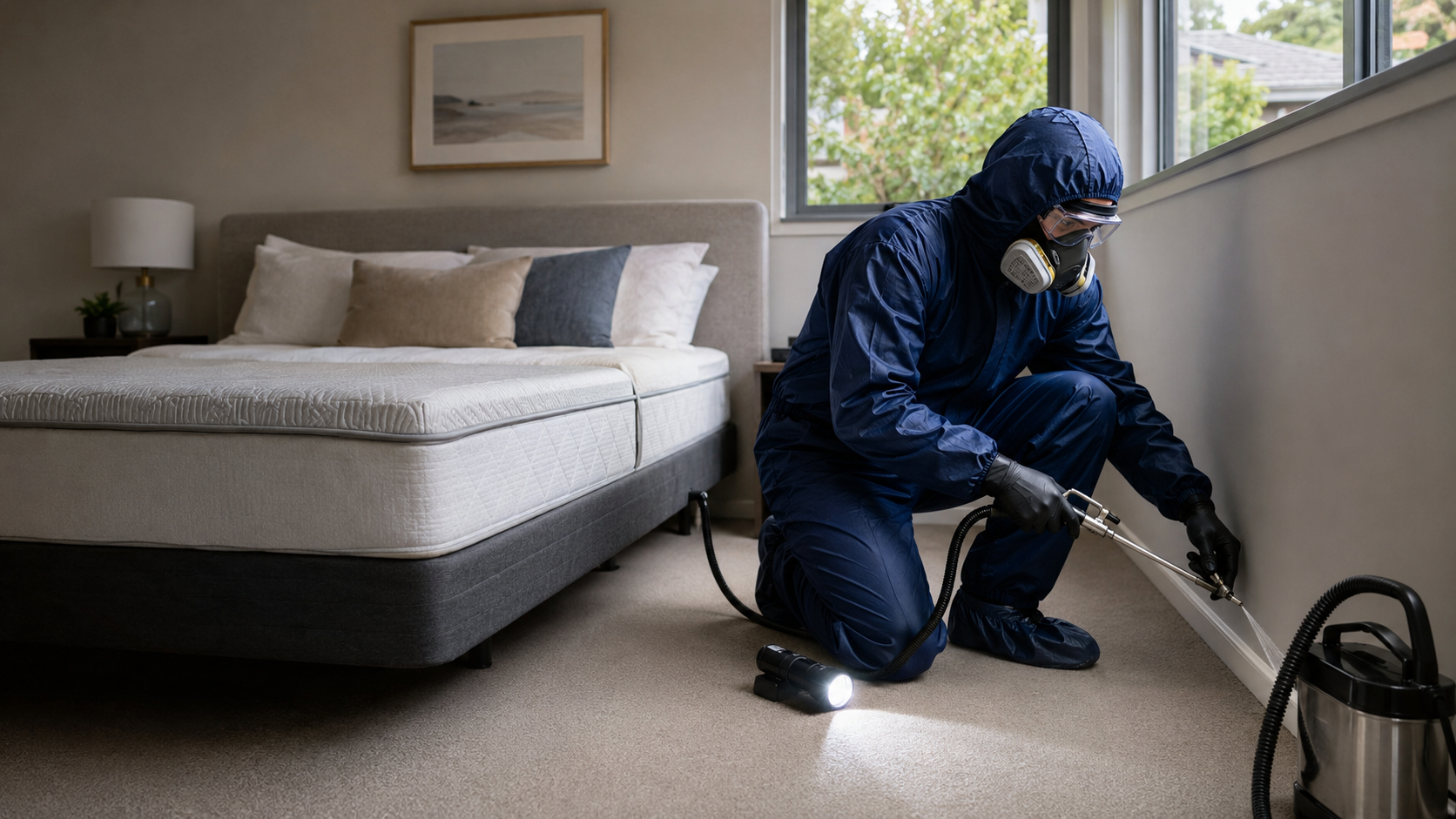
Melbourne bird mite, rodent mite & dust mite specialists
Professional Mite Pest Control & Treatment Melbourne
Rapid source tracing and targeted treatment for bird mites migrating from roof cavities, rodent mites linked to nesting activity, and dust mite allergen reservoirs in bedrooms, carpets and upholstery. We combine careful inspection, appropriate treatment, source removal and practical prevention—backed by a written eradication warranty for eligible biting-mite services.
- ✓ Same-day mite treatment options
- ✓ Roof void and bedroom source tracing
- ✓ Child and pet-aware treatment planning
- ✓ Clear pricing before customer details
Same-day dispatch is subject to technician availability, access and safe treatment conditions.
Source-Tracing Inspection
Roof, bedroom and entry routes
100% Eradication Guarantee
Eligible biting-mite services
AEPMA-Certified
Licensed and insured technicians
Police-Checked Local Team
Melbourne property specialists
Zero Hidden Fees
GST total shown before booking
Melbourne-Wide
South East to Peninsula
Why a suspected infestation deserves prompt attention
Why Mite Infestations Can’t Wait
The fastest route to relief is not indiscriminate spraying. It is a disciplined investigation that distinguishes biting bird or rodent mites from non-biting house dust mites, finds the source and chooses the safest effective response.
Nocturnal biting and lost sleep
Bird mites can migrate from a vacated nest through roof and wall openings and become noticeable around beds, lounges and rooms below the source. Their small size makes them difficult to capture, which can intensify uncertainty and sleeplessness. Repeated laundering or surface spraying may not stop activity when mites are still arriving from a roof void.
A structured bird mite exterminator Melbourne visit maps when and where activity occurs, checks roofline history, looks for birds or rodents and inspects likely pathways. That evidence protects customers from paying for the wrong treatment and helps direct products away from unnecessary surfaces.
Allergen exposure and asthma triggers
House dust mites thrive where warmth, humidity and shed skin accumulate—especially mattresses, pillows, soft furnishings and carpet. Their allergenic particles may become airborne during movement or cleaning and can contribute to symptoms in sensitive people. A spray-only approach cannot replace reservoir reduction and moisture control.
Our dust mite treatment Melbourne guidance emphasises practical controls: HEPA filtration, hot washing when fabric instructions allow, quality encasements, humidity reduction and cleaning of high-contact textiles. Anyone with persistent respiratory symptoms should involve a doctor or allergy professional because pest work is environmental support, not medical treatment.
Stress, uncertainty and misidentification
Invisible or unexplained biting can create genuine psychological distress. Yet marks and sensations alone cannot identify a pest. Bed bugs, fleas, lice, mosquitoes, fibreglass, cleaning residues and skin conditions may be confused with mites. Repeated DIY chemical use can add exposure without producing evidence or resolving the actual cause.
A Melbourne mite inspection documents accessible findings, asks about nest or rodent events, examines sleeping and roof-adjacent areas and explains the limits of what can be confirmed. If no pest evidence is found, a responsible technician says so and recommends the next sensible pathway rather than selling an unsuitable blanket application.
Transparent Melbourne mite treatment prices
Choose Your Property Size and See the Price
Prices below are before GST. The booking calculator displays the final GST-inclusive total before you submit customer details. Complex access, extensive proofing or unusual contamination may require a separate written quote.
Pricing disclaimer: Prices and add-ons are shown before GST. The connected booking calculator keeps the chosen package and selected add-ons, then displays the final GST-inclusive total before customer details are submitted. Package inclusions apply to accessible areas and the written treatment scope. Major nest removal, extensive bird proofing, rodent exclusion, contaminated insulation, difficult access, elevated work or specialist cleaning may require an additional quote. Warranty and verification visits apply only where stated in writing.
Defined scope, responsible claims
Eradication Warranty, Licensing and Treatment Accountability
A strong guarantee is useful only when its scope is clear. TIM’s Pest Control documents the target pest, accessible treatment zones, preparation, host-control requirements, expected progress, re-entry instructions and warranty exclusions before relying on any eradication promise.
100% Eradication Guarantee for Eligible Biting-Mite Work
Where bird or rodent mite activity and its source can be reasonably established, the required areas are accessible, host control is completed and written preparation is followed, an eradication warranty may be included. The written document—not a headline—defines the duration, treated zones, included verification and circumstances that require new work.
House dust mites are different. They are continuously reintroduced through occupancy and environmental conditions, so the responsible outcome is allergen reduction and ongoing management rather than a permanent zero-mite promise. This distinction protects families from unrealistic marketing and creates a plan that can actually be maintained.
Licensed, Insured and Evidence-Led
Treatment selections are based on the suspected mite group, source, building access and occupant sensitivity. Products are used only according to their registered label, with documented preparation and re-entry directions. Police-checked local technicians can be requested where available for occupied homes and managed properties.
Customers searching for AEPMA certified mite specialists should ask for confirmation of the individual technician’s current licence, training, insurance and any relevant association credential before publication or service. TIM’s Pest Control’s service commitment is to explain what evidence supports the treatment and what remains uncertain.
Identification and biological behaviour
Which Mite Is Causing the Problem?
“Mite” describes a large and diverse group of tiny arachnids. Treatment fails when every complaint is handled as the same pest. These three categories require different evidence, source controls and customer expectations.
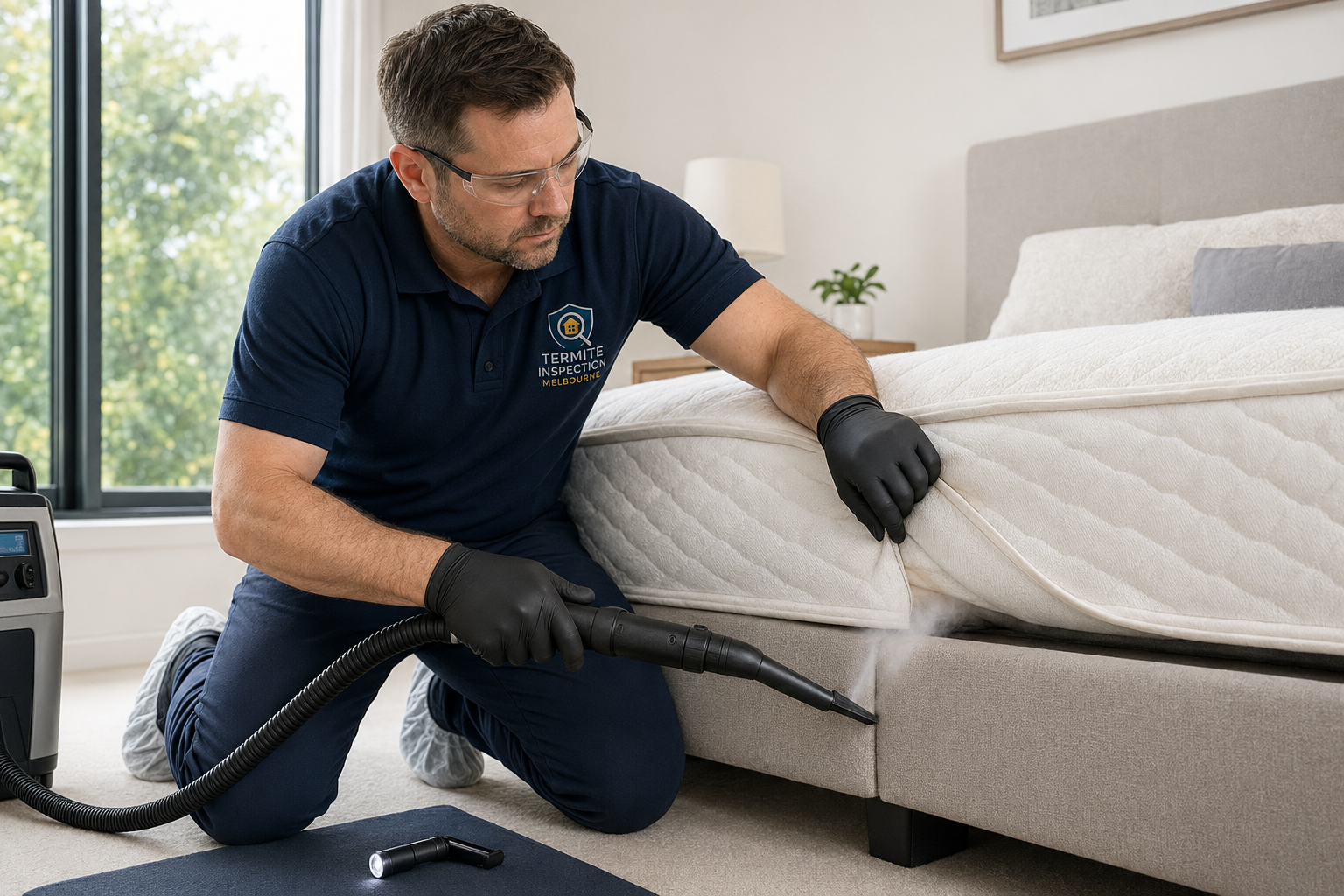
Bird-associated biting mite
Bird Mites — Ornithonyssus sylviarum and Related Species
Bird mites are linked to birds and nesting material. In Melbourne houses they are commonly investigated around eaves, roof tiles, gutters, vents, chimneys, balconies, air-conditioning penetrations and solar-panel cavities. An active nest may support the mite population without any obvious indoor sign. When birds leave or nesting conditions change, mites can travel along structural surfaces and enter occupied rooms.
Their life cycle includes egg, larval, nymphal and adult stages. Under favourable conditions development can be rapid, which explains why activity may appear suddenly after a nest event. Exact identification often requires a captured specimen and specialist examination; photographs of skin marks are not enough. The inspection therefore focuses on building history, nest location, movement routes and tiny specimens found on light-coloured surfaces or adhesive monitors.
- Common hotspots: roof insulation near nests, eaves, ceiling penetrations, window frames, cornices, curtain headings, bed frames and upholstered furniture below the source.
- Key source-control principle: treat the migration pathway and manage the lawful removal or exclusion of the bird source. Bedroom-only spraying may fail.
- Prevention: seal confirmed access points after birds have left, repair damaged vents, proof suitable roof gaps and monitor roofline activity before each breeding season.
Rodent-associated biting mite
Rodent Mites — Ornithonyssus bacoti
The tropical rat mite is associated with rats and other rodents. An infestation may become apparent after rodents die, nests are disturbed, baiting changes host availability or a building is renovated. Occupants can report biting in rooms close to wall cavities, ceiling voids, subfloors, stored materials or food-handling areas even when no live rodent is immediately visible.
Rodent mite removal is therefore inseparable from rodent investigation. Treating mattresses without locating active mice or rats can leave the reproductive source untouched. Conversely, rodent baiting without planning for mite migration may temporarily increase complaints as parasites seek another blood source. A coordinated plan considers capture or baiting strategy, carcass recovery where accessible, nest removal, sanitation, entry-point exclusion and targeted mite treatment.
- Evidence: droppings, gnawing, rub marks, sounds, odour, damaged food packaging, nesting material and mite activity near rodent pathways.
- Harbourages: roof voids, wall cavities, subfloors, cupboards, storerooms, ceiling penetrations and gaps around pipework.
- Cost drivers: inaccessible carcasses, extensive exclusion, commercial hygiene requirements, large roof areas and repeated reinvasion from neighbouring properties.
Why coordinated treatment matters
Rodents are the host; mites are the secondary pest. The order and timing of work must reduce both without pushing hungry mites deeper into occupied areas. That may mean monitoring first, treating migration points, implementing rodent control, removing accessible nesting material and then sealing confirmed entry gaps once activity is controlled.
A low advertised rodent mite removal cost can be misleading if it excludes the underlying rodent service. TIM’s pricing separates optional rodent pest control (+$60 before GST in the displayed combination list) from more extensive exclusion or sanitation that needs a site-specific quote.
Dust mites do not normally bite
Their importance is allergen exposure, not feeding on people. If a customer reports sharp nightly bites, the investigation should not automatically label the cause as house dust mites. This single distinction prevents wasted treatment and directs medical concerns to the right professional.
Long-term reduction depends on reservoir management: laundering, encasements, HEPA cleaning, humidity control and appropriate maintenance of carpets and upholstery. Chemical treatment, if considered at all, must fit the product label and the occupant’s circumstances.
Indoor allergen mite
House Dust Mites — Dermatophagoides pteronyssinus
House dust mites are microscopic and live in accumulated dust within mattresses, pillows, upholstered furniture, carpet and other textiles. They feed largely on shed human and animal skin material. Warmth and humidity support their survival, while low humidity, cleaning and physical barriers can reduce reservoirs. Because they are part of the indoor environment, one visit cannot guarantee permanent elimination.
A dust mite treatment Melbourne plan starts with the occupant’s priorities. For a sensitised child, the bedroom may receive the greatest focus. For a furnished rental or accommodation business, repeatable cleaning protocols and mattress protection may be more valuable than a single product application. For asthma, environmental control should be coordinated with professional medical advice.
- Wash suitable bedding at the hottest temperature permitted by the care label and dry it thoroughly.
- Use quality allergen-impermeable mattress and pillow encasements and clean them as directed.
- Vacuum slowly with a sealed HEPA system and minimise dust disturbance around sensitive occupants.
- Address dampness, condensation and elevated indoor humidity rather than relying on fragrance-based sprays.
Our evidence-led treatment framework
Our Proven 4-Step Mite Eradication Method
The method is adapted to the suspected mite group. Biting-mite work prioritises the host and migration path; dust mite work prioritises allergen reservoirs and moisture. Thermal equipment supports inspection but does not identify microscopic mites by itself.
Roof Void & Interior Thermal Inspection
We interview the occupant, map rooms and times of activity, inspect accessible roof or subfloor zones, look for birds, rodents, nests, carcasses and entry points, and examine mattresses, carpet edges, upholstery and ceiling penetrations. A thermal camera can help locate temperature anomalies or inaccessible activity patterns, but findings are verified visually and with other evidence.
Targeted Residual & Controlled Void Treatment
Appropriate products are applied to agreed harbourages, cracks, voids and migration routes according to label directions. Controlled fogging may be selected for suitable enclosed voids, but it is not automatically used in every bedroom or dust mite case. Targeting reduces unnecessary exposure and leaves monitored zones where migrating mites are most likely to contact the treatment.
Host Control, Proofing & Allergen Reduction
Bird nests are managed lawfully and at the correct time; rodent programmes address active hosts and accessible nesting material. Confirmed access points are sealed or quoted for proofing once animals are not trapped inside. Dust mite work focuses on textile cleaning, encasements, HEPA filtration and moisture reduction. These source measures are often more important than increasing pesticide volume.
Verification & Post-Treatment Protection
The customer receives preparation, re-entry and monitoring instructions. Where the package’s written scope includes verification, we review activity against the expected hatching and migration window, inspect source zones and decide whether a targeted adjustment is warranted. Prevention advice may cover roofline repairs, bird proofing, rodent exclusion, moisture control and repeat allergen-management routines.
What to expect after treatment
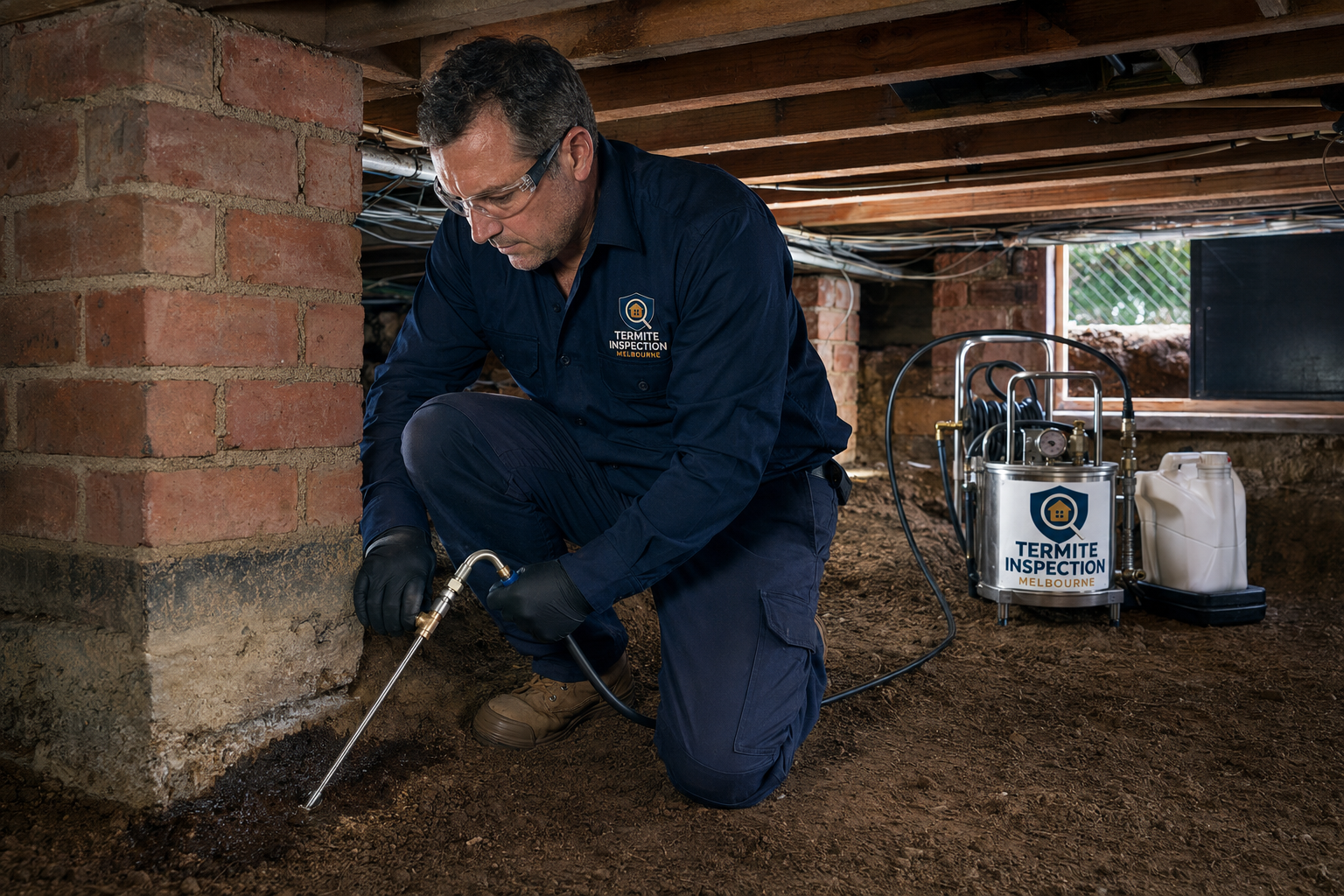
Day-by-Day Mite Treatment Timeline
Day 1 — inspection, source work and initial knockdown
Accessible nest or host evidence is assessed, agreed treatment zones are prepared and the initial targeted application is completed. Occupants follow the stated re-entry time. Avoid washing treated structural edges unless instructed, but continue the specific laundering or vacuuming plan provided for bedding and textiles.
Days 2–4 — active barrier develops and biting should reduce
Residual treatment begins intercepting mites moving through treated routes. Some activity can persist where mites emerge from protected eggs or inaccessible voids. A sharp increase, spreading activity or serious health reaction should be reported promptly rather than masked with additional DIY products.
Days 7–10 — hatching-cycle control and evidence review
Newly emerged stages should encounter the active treatment where the source and routes were correctly identified. Continue monitoring and prevention. If written scope includes a verification visit, evidence from this period helps determine whether activity is declining normally or whether another source exists.
Day 30 — clearance review and warranty activation where applicable
Eligible biting-mite services can be assessed against the written clearance and warranty conditions. This is not a promise of permanent dust mite elimination. Continued bird or rodent exclusion and routine allergen management are essential to reduce future risk.
Treatment option comparison
Professional Mite Treatment vs DIY Products
Method selection should follow inspection. “Stronger” is not automatically better: source access, target placement, product label, occupant safety and host control determine whether a treatment can work.
| Method | Source control | Effectiveness | Child & pet planning | Speed | Long-term result |
|---|---|---|---|---|---|
| Professional residual & controlled thermal fogging | Combined with nest/host investigation | High when correctly identified and targeted | Documented exclusion, ventilation and re-entry | Initial reduction often begins after treatment | Strong when proofing and host control are completed |
| Supermarket foggers | Usually none | Variable; misses protected voids and seams | High risk of misuse or excess surface deposition | May create temporary visible knockdown | Poor if roof, bird or rodent source remains |
| DIY essential-oil sprays | None unless the source is separately addressed | Unreliable for established structural activity | “Natural” does not mean safe for all pets or people | Odour is immediate; control is uncertain | Little reliable residual protection |
| Professional roof-void dusting | Useful alongside lawful nest or rodent management | High in suitable dry, inaccessible void routes | Kept away from occupied surfaces when correctly applied | Targets ongoing migration | Durable in undisturbed dry voids, label dependent |
Local inspection and treatment coverage
Mite Pest Control Across Melbourne
Building style, bird pressure, vegetation, roof construction and rodent access vary across Melbourne. Our service-area planning considers those local conditions while keeping diagnosis evidence-led.
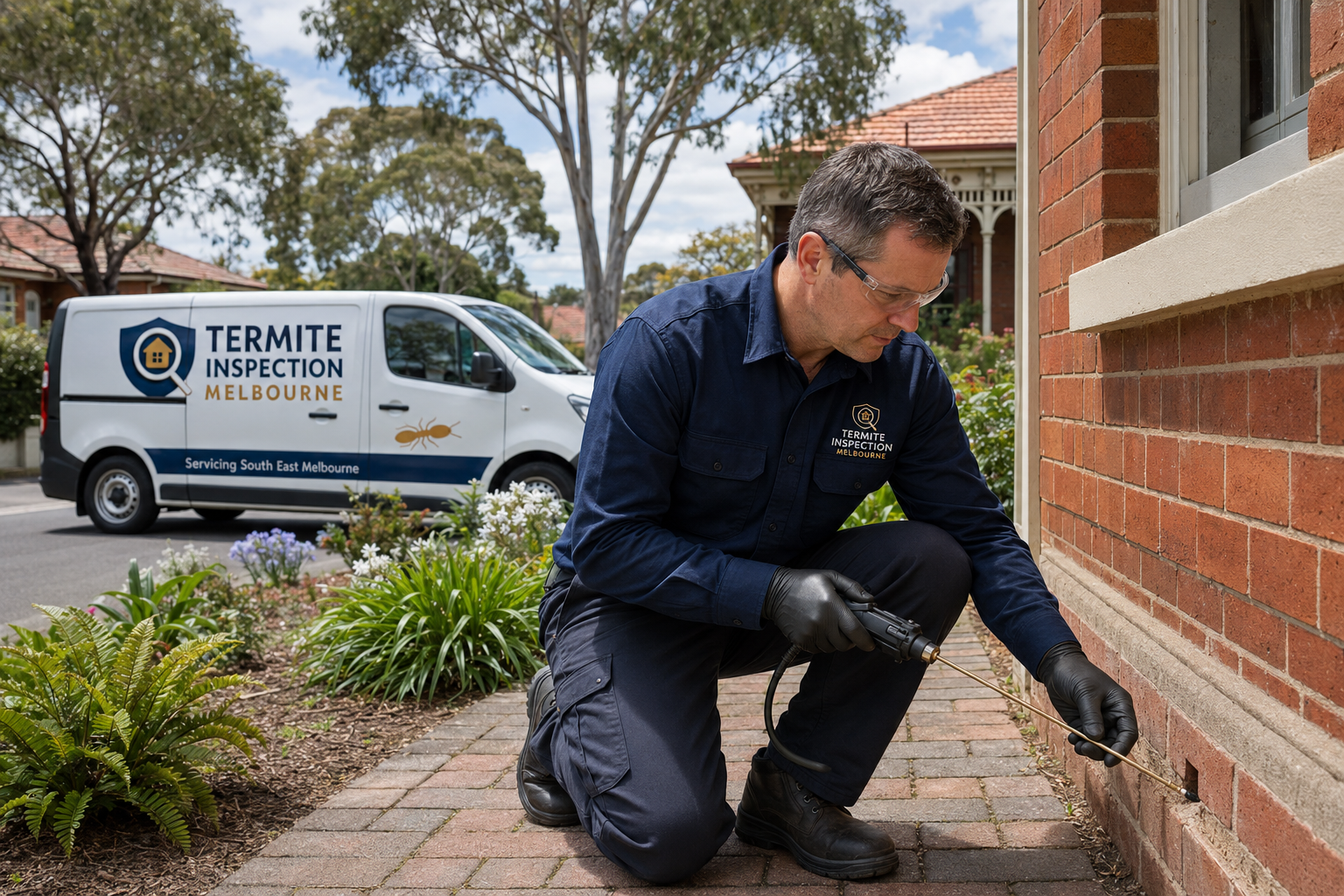
South East Melbourne & Clyde North
Clyde North pest control calls often involve modern tiled roofs, eaves, solar-panel cavities, nearby wetlands and active bird populations. We service Clyde, Cranbourne, Berwick, Narre Warren, Pakenham, Officer, Dandenong, Keysborough and surrounding suburbs. Newer construction can still have gaps around penetrations and roof interfaces, while building activity can disturb birds and rodents. Same day mite treatment is prioritised where scheduling and safe access allow.
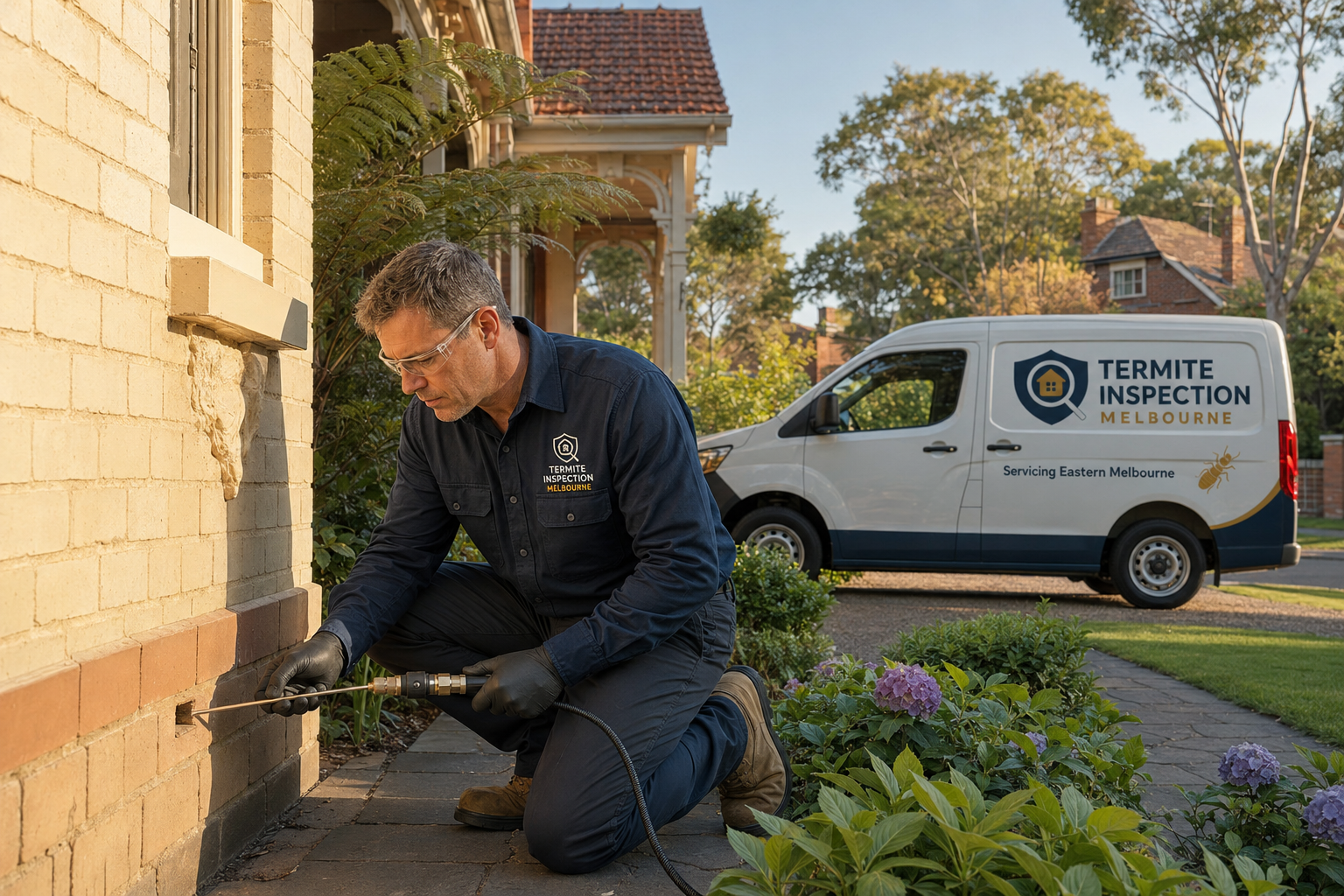
Eastern & Northern Melbourne
Leafy eastern and northern suburbs may have mature trees, older tiled roofs, chimneys, subfloors and established possum, bird and rodent routes. We cover areas such as Ringwood, Croydon, Doncaster, Box Hill, Glen Waverley, Heidelberg, Preston, Brunswick, Coburg, Epping and nearby districts. A roof or subfloor history is particularly important when biting begins after renovation, pest work or removal of nesting material.
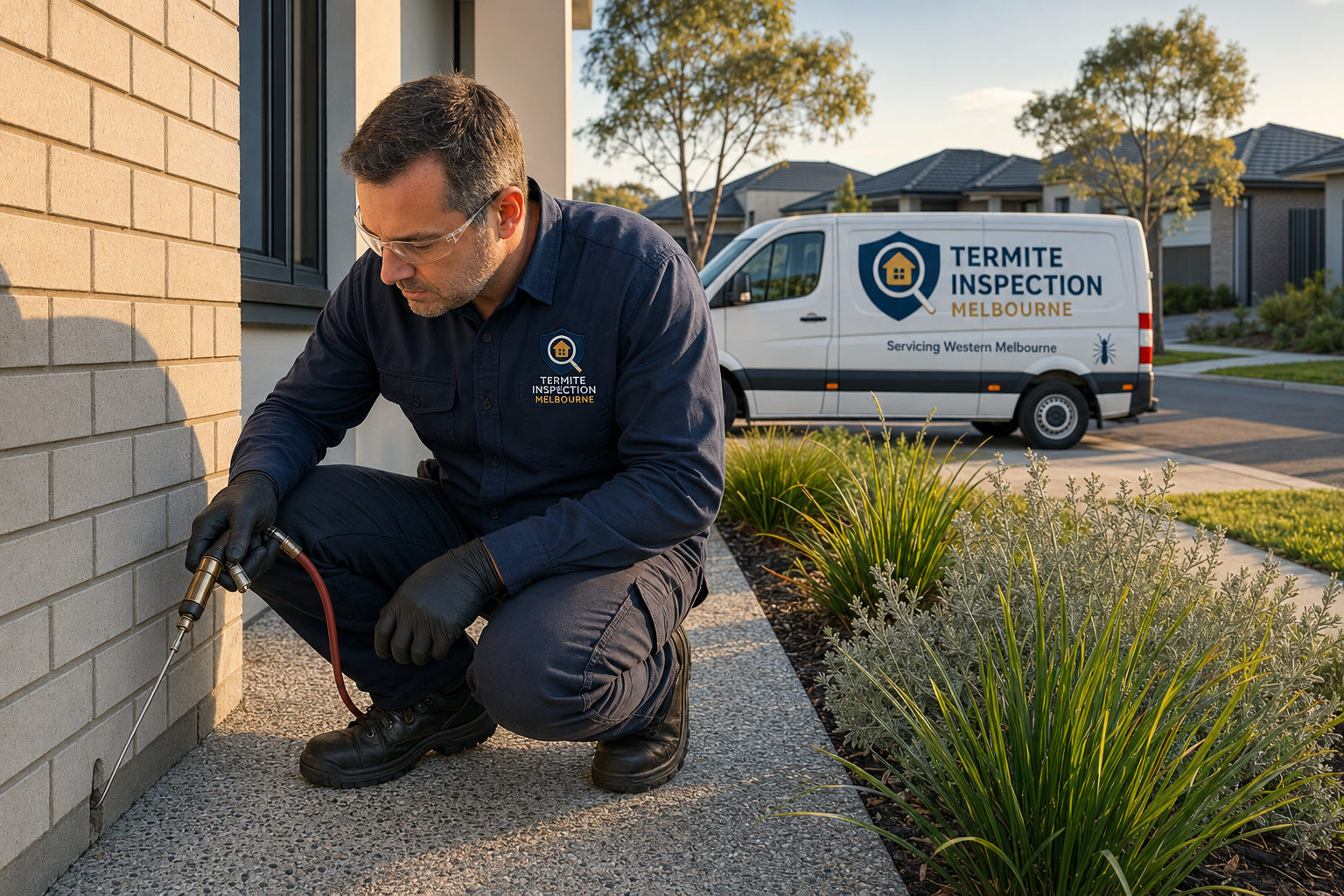
Western Melbourne & Melbourne CBD
Apartments, warehouses, hospitality venues and mixed-use buildings can share wall cavities, services and roof plant, allowing a source in one zone to affect another. We service the Melbourne CBD, Docklands, Footscray, Sunshine, Werribee, Point Cook, Altona, Williamstown and surrounding western areas. Strata and commercial work may require access coordination, site documentation and an integrated pest management plan rather than a single-room treatment.
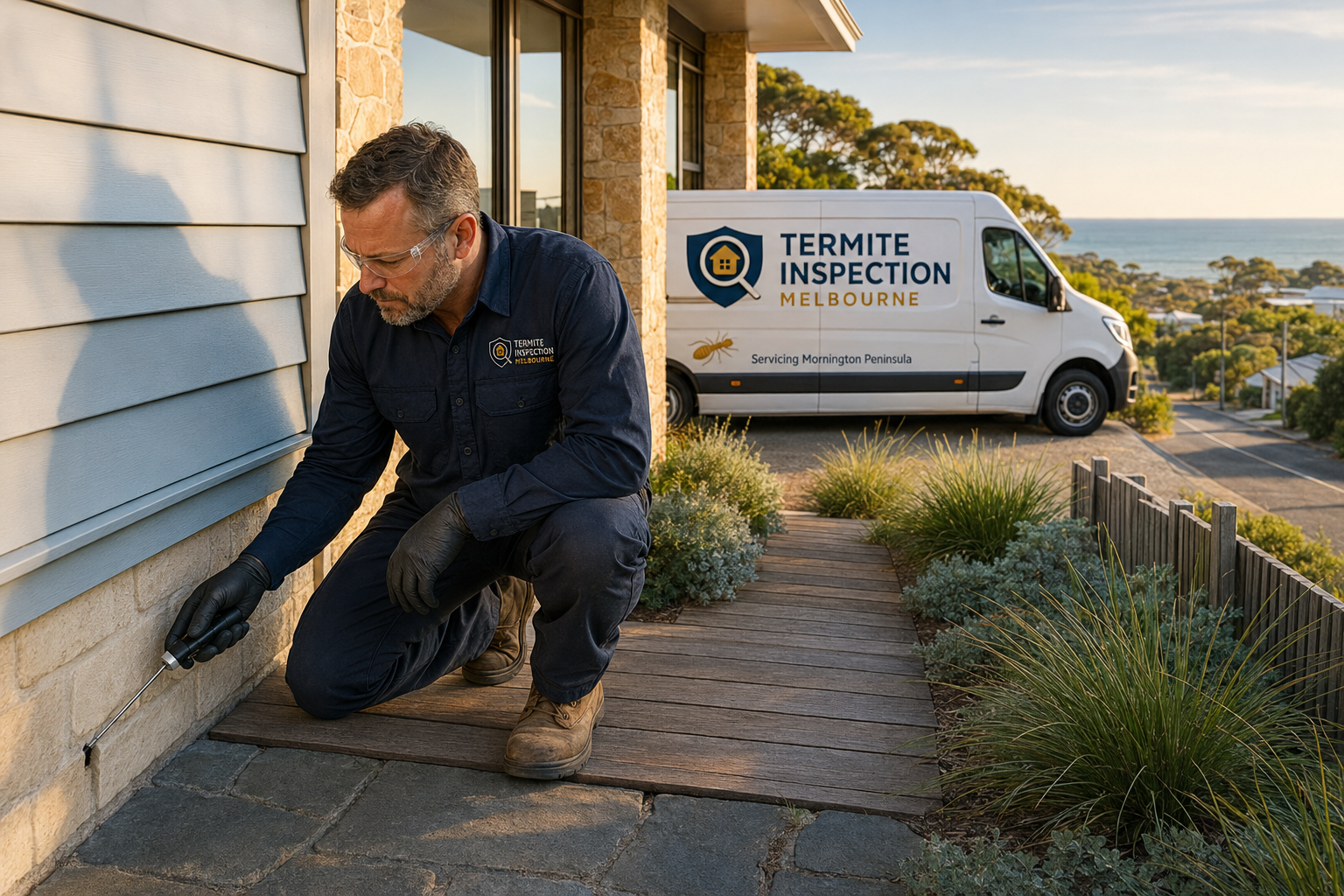
Mornington Peninsula
Coastal and peninsula homes experience active bird nesting, holiday-property vacancy periods, roof moisture and diverse building styles. We service Frankston, Mount Eliza, Mornington, Rosebud, Dromana, Hastings and surrounding communities. Seasonal occupancy can delay discovery until a property is reopened, so the inspection looks at roofline history, stored bedding, rodent evidence and recently vacated nests before selecting the treatment scope.
Real social proof, no invented quotations
Check Verified Local Customer Feedback
We do not manufacture customer names or review quotes for a landing page. Use the links below to review current published feedback and service information for the area relevant to your booking.
★★★★★
Clyde North & South East Melbourne
Read current verified customer feedback, confirm service availability and judge our responsiveness before booking.
View verified reviews★★★★★
Melbourne CBD & Inner Suburbs
Read current verified customer feedback, confirm service availability and judge our responsiveness before booking.
View verified reviews★★★★★
Mornington Peninsula
Read current verified customer feedback, confirm service availability and judge our responsiveness before booking.
View verified reviewsProfessional safeguards
Licence, Insurance and Chemical Compliance
Every proposed treatment should be traceable to evidence, label directions and a written scope. Ask questions before work begins—especially where children, pets, asthma, food areas or occupied bedrooms are involved.
Licensed pest technicians
Request confirmation of the technician’s current Victorian licensing or authorisation relevant to the work.
Fully insured service
Appropriate business insurance supports accountable work in homes, rentals and commercial premises.
APVMA-registered products
Chemical products are selected and applied only within their registered label directions and approved use.
Police-check availability
Police-checked local technicians can be requested where available for occupied and managed properties.
Health note: pest treatment does not diagnose the cause of a rash, asthma episode or unexplained biting sensation. Seek urgent medical help for breathing difficulty or severe allergic reaction.
AEO and voice-search answers
Mite Pest Control Melbourne FAQs
Detailed answers about bird mites, rodent mites, dust mite allergens, treatment cost, preparation, safety, timing and warranty conditions.
Where do bird mites come from in Melbourne homes?+
Bird mites usually enter a home after birds have nested in roof voids, gutters, eaves, wall vents, solar-panel cavities or other sheltered parts of the building. While a nest is active, the mites feed mainly on birds. When fledglings leave, a bird dies, or a nest is disturbed, hungry mites may migrate through ceiling penetrations, light fittings, vents, cornices and wall gaps in search of another host. People and pets may then experience temporary biting even though humans are not the mites’ preferred long-term host. Effective bird mite pest control therefore starts by tracing the source, confirming that a bird-associated mite is likely, safely managing the nest and access route where lawful, and treating migration pathways and harbourage areas. Spraying only a bed or bedroom may provide incomplete relief if the roof source remains active.
Why am I bitten at night even though I cannot see any bugs?+
Many biting mites are extremely small, mobile and difficult to see without magnification. They can shelter in mattress seams, bed-frame joints, carpet edges, skirting gaps, curtains, upholstered furniture and tiny cracks during daylight, then become more noticeable when occupants are resting. Biting sensations alone do not prove that mites are present: fleas, bed bugs, mosquitoes, contact irritants and some medical conditions can create similar symptoms. A responsible Melbourne mite inspection looks for physical evidence, nesting history, rodent or bird activity, movement pathways and the distribution of complaints before choosing a treatment. If skin symptoms are severe, spreading or unexplained, seek advice from a qualified health professional as well as arranging pest assessment.
Can house dust mites cause asthma or allergy symptoms?+
House dust mite particles and waste are recognised indoor allergens and can contribute to symptoms in sensitised people, including sneezing, congestion, itchy eyes and asthma flare-ups. Dust mites do not normally bite. Their management is different from bird mite or rodent mite treatment and focuses on reducing allergen reservoirs and environmental conditions rather than promising that every microscopic mite can be permanently removed. A practical dust mite treatment Melbourne plan may combine HEPA-filtered cleaning, mattress and pillow encasements, hot washing of suitable bedding, humidity management, careful carpet and upholstery maintenance and health advice from a doctor or allergist. Professional pest input should complement, not replace, medical diagnosis and the occupant’s asthma action plan.
How long does professional mite treatment take?+
A straightforward one- or two-bedroom treatment may often be completed in a few hours, but the exact time depends on the suspected species, accessibility, number of affected rooms, roof or subfloor access, presence of nests, degree of clutter, bird-proofing requirements and whether rodents are involved. Larger homes, commercial premises and complex roof-void infestations need more time. Your technician explains the scope before work begins, identifies any areas that cannot be accessed and gives a re-entry time based on the products and methods actually selected. Hatching and migration can make activity continue briefly after the first visit, so the written treatment plan should explain expected progress, monitoring and any included verification visits.
Is mite treatment safe for children, pets and people with asthma?+
Professional treatment is planned around the occupants, the label directions of any APVMA-registered product used, and the condition of the property. Children, pets, birds, fish and other sensitive occupants must remain outside treatment zones during application and for the advised ventilation or re-entry period. Toys, food, feeding bowls and bedding may need to be covered or removed. People with asthma, chemical sensitivity, pregnancy concerns or significant allergies should disclose this before booking so the technician can discuss the proposed method and whether medical advice is appropriate. No pesticide can honestly be described as risk-free; safety comes from correct identification, targeted application, dose control, exclusion during treatment and strict compliance with the product label.
What is the rodent mite removal cost in Melbourne?+
The residential mite packages on this page start at $180 before GST for a small one- to two-bedroom unit, $210 before GST for a medium three-bedroom home and $240 before GST for a large four-bedroom property. A $300 before-GST commercial package covers the initial commercial service scope shown in the pricing section, subject to access and site assessment. Rodent mite removal cost can increase when active rats or mice, inaccessible nests, extensive roof or subfloor contamination, large floor area, exclusion work or additional pest-control services are required. Optional add-ons are displayed separately, and the final GST-inclusive total is shown before booking. Unusual or high-risk sites may require a tailored written quote.
Do you provide same day mite treatment in Melbourne?+
Same-day mite treatment may be available across Melbourne when a suitable technician, travel window and treatment conditions are available. Because correct identification and source tracing matter, an urgent booking is still assessed rather than treated with a one-size-fits-all spray. Call 0466 929 533 and explain where bites are occurring, whether birds or rodents have recently nested, whether a nest was removed, which rooms are affected and whether children, pets or vulnerable occupants are present. The team can then prioritise an appropriate Melbourne mite inspection or treatment window. Same-day service is subject to availability and does not replace emergency medical advice for serious reactions or breathing difficulty.
Will supermarket foggers or essential oils remove bird mites?+
Room foggers may miss mites protected inside roof spaces, insulation, wall cavities, bedding seams and structural cracks. They can also create unnecessary residue on exposed surfaces and may disperse activity without addressing the bird or rodent source. Essential oils can smell strong but do not provide reliable source control, and some oils can be hazardous to pets or sensitive occupants. A professional bird mite exterminator Melbourne service combines source investigation, lawful nest or host management, targeted treatment of harbourages and migration routes, and practical exclusion advice. The exact technique may include residual application, void dusting or controlled space treatment only when appropriate for the site and product label.
Should I remove a bird nest before the technician arrives?+
Do not remove or disturb a nest until you have checked whether birds, eggs or dependent young are present and whether wildlife rules apply. Disturbing an occupied or recently vacated nest can release large numbers of mites into the building and can make source tracing harder. Photograph the location from a safe distance, close internal doors near affected rooms, avoid carrying nest material through living areas and call for advice. The treatment plan may coordinate nest removal, bagging, cleaning, entry-point repair and treatment of nearby voids. Permanent bird proofing should only be completed after confirming that no birds are trapped inside and after resolving any relevant legal or animal-welfare requirements.
Does your 100% eradication guarantee apply to every mite problem?+
A written eradication warranty can apply to eligible biting-mite services when the species or source is reasonably established, all required areas are accessible, preparation is completed, host birds or rodents are controlled, and prevention recommendations are followed. It cannot honestly mean that every house dust mite or allergen particle will be permanently eliminated from a lived-in property. Dust mite services are designed to reduce allergen reservoirs and improve management conditions. The exact guarantee, duration, treated areas, exclusions and any verification visits must be recorded in the written service scope before treatment. Reinvasion from new bird nests, unresolved rodents, inaccessible neighbouring areas, customer-introduced items or failure to complete exclusion work may fall outside the warranty.
Sunday dispatch windows may still be available
Stop the Night-Time Biting and Trace the Mite Source Today
Call now for urgent bird mite, rodent mite or dust mite guidance across Melbourne. We will confirm availability, explain the likely inspection pathway and show the final GST-inclusive service price before booking.