
☰ Explore Services & Menu
Pest Control +
Termite Services +
Commercial +
Wildlife & Bird Control +
Service Areas +
Pricing & Booking +
About Us +
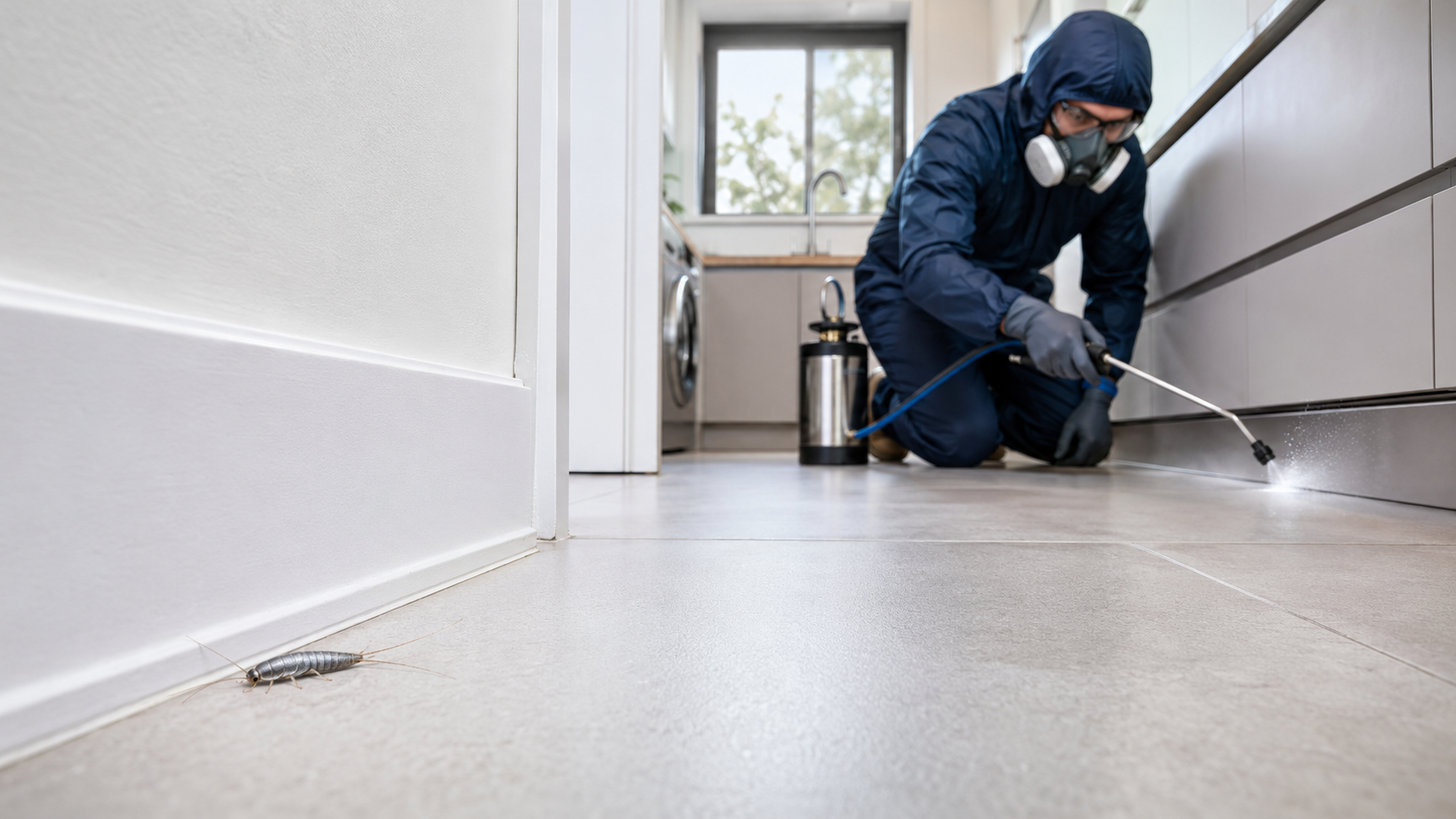
Melbourne bookcase, wardrobe & moisture-zone specialists
Professional Silverfish Treatment and Control Melbourne
Rapid moisture-zone knockdown, precise crack-and-void treatment and practical humidity guidance for Melbourne homes and businesses. We protect libraries, wardrobes, wallpaper, stored documents and natural-fibre textiles by locating concealed harbourages, treating connected travel routes and reducing the damp conditions that let silverfish survive—supported by a written 100% elimination warranty for eligible services.
- ✓ Same-day silverfish control options
- ✓ Wardrobe, wet-area and subfloor inspection
- ✓ Micro-dusting and residual barrier protection
- ✓ Clear pricing before customer details
Same-day dispatch is subject to technician availability, access and safe treatment conditions.
Detailed Silverfish Inspection
Moisture, voids and feeding zones
100% Elimination Guarantee
Eligible written service scopes
AEPMA-Certified
Silverfish treatment specialists
Police-Checked Local Team
Melbourne property specialists
Zero Hidden Fees
GST total shown before booking
Melbourne-Wide
South East to Peninsula
Why hidden silverfish activity deserves prompt attention
Why Silverfish Infestations Can’t Wait
Silverfish are nocturnal, fast and strongly light-avoiding, so the first insect seen on a bathroom floor may represent a population living behind skirting, inside a cupboard, beneath flooring or beside damp plumbing. Early inspection protects valuable materials and exposes the moisture pathway allowing the infestation to persist.
Silent damage to books, paper and adhesives
Common silverfish graze starch-rich book bindings, paper sizing, cardboard, wallpaper paste, labels and some adhesives. They can leave irregular holes, scraped surfaces, notched edges, yellow marks and loose scales. Damage often begins along the rear of a shelf or inside an undisturbed carton, where light is low and humidity is stable.
Historical documents, photographs, business records, school resources and personal collections cannot be restored by killing the insects later. A professional silverfish exterminator inspects the collection environment, confirms active evidence and protects contents while treatment is directed into structural harbourages rather than over valuable paper.
Wardrobes and natural fibres remain vulnerable
Silverfish may graze cotton, linen, silk, rayon, starched fabrics and textiles carrying food, body-oil or mould residues. Dark wardrobes, stored seasonal clothing and cardboard shoe boxes provide long periods without disturbance. The pest does not need to consume an entire garment to cause costly harm; scattered surface abrasions and holes can ruin presentation and weaken delicate fibres.
Treatment includes evidence mapping, protected handling of contents, targeted crack-and-void placement and advice about sealed storage, laundering and air circulation. If moths or carpet beetles are also suspected, species identification prevents the wrong control program being used.
Moisture networks let infestations persist unseen
Bathrooms, laundries, kitchen cupboards, poorly ventilated wardrobes, condensation zones and damp Melbourne subfloors provide the humidity silverfish favour. A leaking pipe, blocked vent, wet insulation or ground-moisture problem can connect several rooms through wall and floor voids even when insects are visible in only one place.
Our Melbourne silverfish inspection maps sightings against moisture conditions and building access. Treatment suppresses the active population, while leak repair, ventilation, drainage, dehumidification and storage changes reduce the underlying habitat. Without that combined approach, a quick surface spray may provide only temporary relief.
Transparent Melbourne silverfish treatment prices
Choose Your Property Size and See the Price
Customers comparing silverfish pest control cost can see the standard residential rates before submitting personal details. Prices below are before GST, and the connected booking calculator displays the final GST-inclusive total. Unusual access, contaminated archives, extensive dampness or commercial conditions may require a separate written quote.
Pricing disclaimer: Prices and add-ons are shown before GST. The connected booking calculator keeps the chosen package and selected add-ons, then displays the final GST-inclusive total before customer details are submitted. Package inclusions apply to accessible areas and the written treatment scope. Structural moisture repair, specialist document conservation, contaminated stock disposal, difficult access or separately licensed building work may require an additional quote. Warranty and verification visits apply only where stated in writing.
Defined scope, responsible claims
Elimination Warranty, Licensing and Treatment Accountability
A strong guarantee is useful only when its scope is clear. TIM’s Pest Control documents the target species, accessible treatment zones, preparation, expected progress, moisture responsibilities, re-entry instructions and warranty exclusions before relying on any elimination promise.
100% Elimination Guarantee for Eligible Silverfish Work
Where silverfish activity and harbourages can be reasonably established, the required zones are accessible, preparation is completed and moisture recommendations are followed, a written elimination warranty may be included. The service document—not a headline—defines the period, treated zones, response conditions and circumstances that require separately quoted work.
Untreated cartons, inaccessible shared voids and continuing leaks can introduce or sustain silverfish. Our guarantee applies to the eligible service and documented areas, not to irreversible damage or uncontrolled building moisture. Reducing humidity, protecting starch-rich materials and keeping treated cracks undisturbed supports the result.
Licensed, Insured and Evidence-Led
Treatment selection is based on silverfish biology, harbourage, humidity, building access and occupant sensitivity. Products are used according to their registered label, with documented preparation and re-entry directions. Police-checked local technicians can be requested where available for occupied homes and managed properties.
Customers searching for AEPMA certified pest specialists can ask for confirmation of the technician’s current licence, training, insurance and relevant association credentials. TIM’s Pest Control explains where treatment will be applied, why those moisture and feeding zones matter and which practical changes will protect the result.
Identification and biological behaviour
Which Silverfish Is Living Around Your Property?
Silverfish treatment succeeds when identification, building conditions and harbourage are considered together. Melbourne properties commonly support the common silverfish, Lepisma saccharina, and longer-bodied Ctenolepisma species such as the four-lined silverfish. Both are wingless, nocturnal insects with tapered bodies, long antennae and three tail filaments, but their moisture tolerance and spread through buildings can differ.
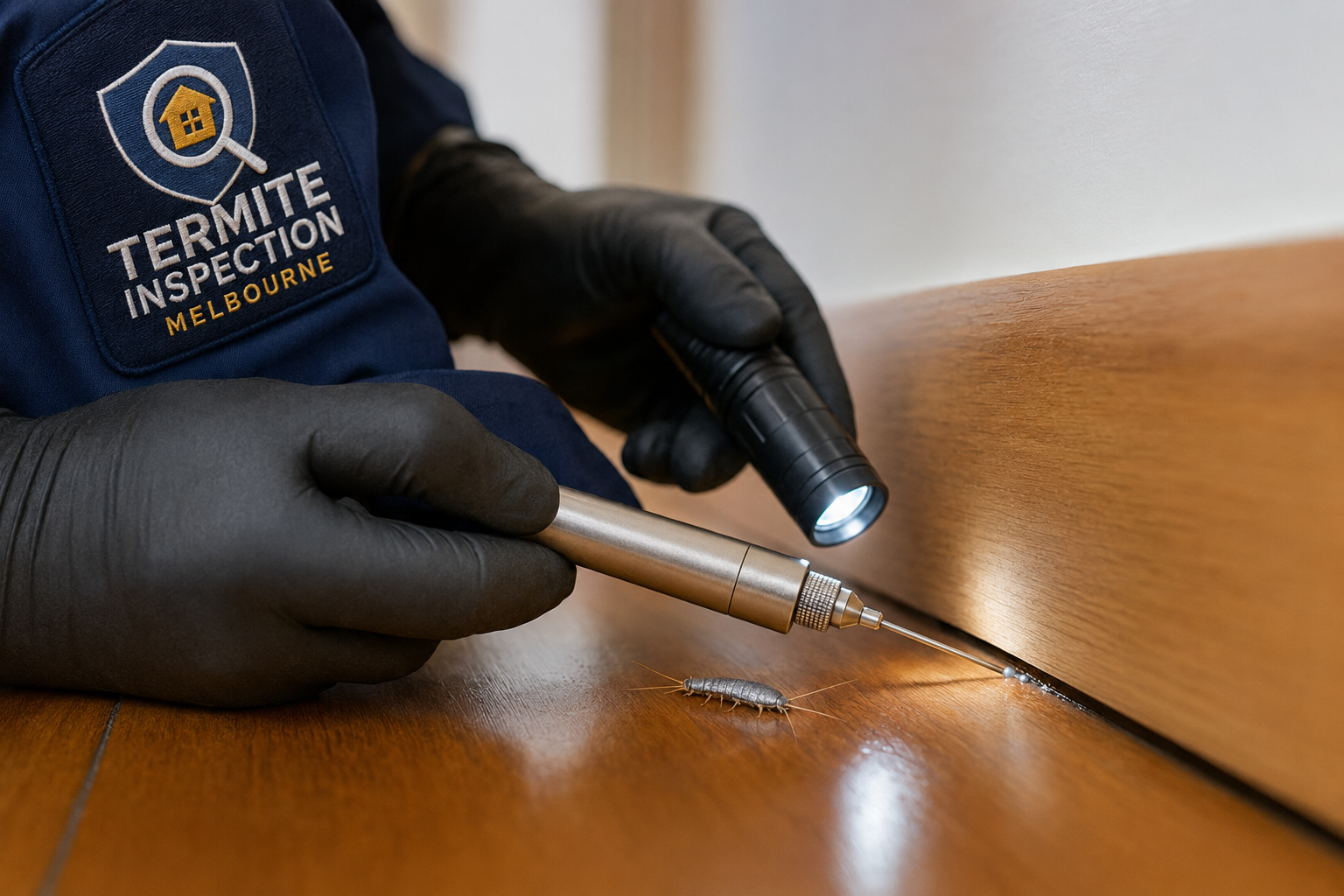
The moisture-associated household species
Common Silverfish — Lepisma saccharina
The common silverfish is a flattened, wingless insect with silvery scales, long antennae and three bristle-like tail filaments. Its streamlined body allows it to enter extremely narrow cracks beside skirting, tiles, cupboards and pipes. It runs quickly when exposed to light and is often discovered at night in a bath, sink, laundry or cupboard rather than at the actual breeding site.
Common silverfish favour humid, protected environments. Bathrooms, laundries, kitchens, condensation zones, damp subfloors and poorly ventilated storage supply water while paper, adhesives, mould, food residues and natural fibres supply nutrients. They do not bite people or spread through webs. The main risks are material damage and the persistence of a hidden population supported by building moisture.
A professional silverfish exterminator looks for scales, cast skins, droppings, surface grazing and repeated travel routes. Treatment is positioned in suitable cracks, wall-floor junctions, plumbing gaps and dry voids according to the registered label. Open clothing, books, utensils and frequently touched surfaces are protected. Moisture correction remains essential because an untreated leak or consistently damp cavity can continue supporting the insects.
- Identification: tapered carrot-shaped body, silver-grey scales, long antennae and three tail filaments.
- Typical hotspots: bathrooms, laundries, under-sink cupboards, wardrobes, bookcases, subfloor edges and plumbing penetrations.
- Control focus: species confirmation, precise residual and micro-dust placement, humidity reduction and protection of starch-rich contents.
A drier-condition invader with wider spread potential
Four-Lined Silverfish — Ctenolepisma lineata
The four-lined silverfish is generally larger and more mottled than the common silverfish, with darker longitudinal markings that can appear as lines along the body. Identification from a moving household insect is difficult, so a specimen or clear close photograph is valuable. Related Ctenolepisma species may tolerate drier building areas than Lepisma saccharina, which means activity is not always restricted to the wettest bathroom.
These silverfish can spread through wall cavities, roof spaces, cupboards, archives and warm structural voids. They may be found in multi-level homes, offices and storage facilities where paper, packaging and adhesives are distributed across many rooms. A sighting in a bedroom or study can still be connected to a damp service duct, roof leak or subfloor source elsewhere in the building.
Control requires property-wide thinking. We map sightings, vulnerable contents and access points, then select treatment zones that intercept travel without contaminating books or work surfaces. Large, multi-unit and commercial properties often benefit from monitoring and an IPM plan because untreated connected voids can allow activity to return from outside the immediate room.
- Visual clues: larger, mottled body with darker longitudinal markings rather than a uniformly silvery appearance.
- Likely harbourages: roof voids, wall cavities, archives, cupboards, warm service zones and undisturbed packaging.
- Control focus: broader inspection, connected-void treatment, stock rotation, humidity management and monitoring.
Why species and moisture mapping matter
If treatment is limited to the bathroom where one insect was found, silverfish travelling from a wall void, wardrobe or subfloor may remain untouched. The inspection links sightings to condensation, plumbing, stored paper, flooring gaps and adjacent rooms before defining the scope.
This approach also prevents unnecessary chemical use. A dry room with no evidence may need storage or exclusion advice, while a connected damp cavity may need precise treatment and a building repair. The goal is to interrupt both the insect population and the environmental support system.
Life cycle, moulting and hidden nymphs
Silverfish hatch from small eggs laid in protected cracks. Immature nymphs resemble pale miniature adults and gradually gain scales through repeated moults. Development can take many months, and adults continue moulting throughout life. Temperature, humidity, food and species influence the rate.
Eggs and young nymphs are easily missed in wall-floor junctions, beneath cupboards or within stored materials. Residual treatment is placed where emerging and foraging stages travel, and the property is monitored through the hatching window. One sighting shortly after service is recorded and assessed rather than automatically treated as failure.
Long-lived insects adapted to hidden building spaces
Survival, Feeding and Harborage Behaviour
Silverfish can survive extended periods with very little food when humidity and shelter remain suitable. Their ability to graze many low-nutrient materials—starches, adhesives, mould, dead insects and microscopic residues—means a visually clean room can still support them. Eliminating loose crumbs alone is not enough.
During the day they remain in narrow dark harbourages. At night they forage along skirting, cupboard bases, shelving, pipe penetrations and flooring edges. A bath or sink can trap a wandering insect because the smooth sides are difficult to climb; the fixture is usually a detection point rather than the source. The true harbourage may be behind the wall or beneath the floor.
Humidity is the strongest practical clue. Condensation, slow plumbing leaks, poor exhaust ventilation, damp soil beneath a subfloor, wet cardboard and overfilled wardrobes create stable microclimates. Our inspection uses visible evidence and moisture-risk observations to prioritise treatment. Where a building defect is suspected, the customer receives a repair recommendation rather than an unrealistic promise that insecticide alone will dry the structure.
- Night-time bathroom sightings often point to hidden cracks or a connected wet-area cavity.
- Bookcase and wardrobe damage can remain concealed until contents are moved.
- Commercial archives and stock rooms need inspection, monitoring and rotation—not only a one-off surface spray.
Room-by-room source control
Comprehensive Silverfish Detection and Material Protection
A silverfish service should protect more than the bathroom where an insect happened to be seen. The inspection follows moisture, starch-based food sources and connected building voids through the property, then matches treatment and prevention to the contents at risk.
Bathrooms, Laundries and Plumbing Cavities
Bathrooms and laundries are common detection points because they combine humidity, warmth, plumbing gaps and long dark periods. A silverfish trapped in a bath or basin may have travelled from behind a vanity, beneath skirting or through a service penetration. The fixture itself is rarely the entire source. We inspect accessible pipe entries, cupboard bases, tile junctions, door trims, exhaust performance, condensation patterns and evidence of slow leaks. Laundries also contain cardboard detergent boxes, lint, stored linen and wall cavities shared with kitchens or bathrooms.
Treatment is placed into appropriate cracks and dry protected voids, not sprayed across towels, toothbrushes, cosmetics or washing surfaces. The technician identifies which items must be removed, which structural edges should remain unwashed and how long occupants must stay out. Where staining, swelling, mould or persistent dampness suggests a plumbing or waterproofing defect, pest control is paired with a repair recommendation. Killing visible insects while water continues entering the cavity creates an incomplete result and can allow another generation to develop.
Customers can support control by using exhaust ventilation during and after showers, drying wet floors, avoiding piles of damp towels and arranging prompt investigation of leaks. These actions do not replace treatment when an established population is present, but they make treated harbourages less suitable and improve the durability of the program.
Bookcases, Archives and Important Paper
Bookcase silverfish removal Melbourne work requires careful separation of the insects from the materials being protected. Books may contain starch-based paste, cloth bindings, paper sizing and mould residues, while the narrow space behind a heavy shelf provides shelter. Business archives add cardboard cartons, labels and long periods without disturbance. We look for irregular grazing, notched page edges, small holes, yellow marks, scales, cast skins and live insects. Damage concentrated along the rear or base of shelving often points to a wall-floor harbourage rather than insects living throughout every book.
Valuable items are not indiscriminately sprayed. Depending on the scope, books and documents may be isolated in clean sealed containers while structural edges, cracks and voids receive the selected treatment. Contents are moved methodically so unchecked cartons do not seed another room. Damp cardboard is replaced with suitable storage, shelves are spaced for airflow where practical and collections are monitored for fresh evidence after service.
Historical, legal, artistic or culturally important paper may require a qualified conservator. A pest technician can remove the active insect pressure and advise on environmental risk, but cannot restore lost ink, weakened paper or adhesive failure. Early same-day silverfish treatment is therefore most valuable when it prevents additional harm rather than responding after an entire collection has deteriorated.
Wardrobes, Linen and Expensive Clothing
Wardrobes create a stable microclimate when they are tightly packed, positioned against a cool exterior wall or rarely opened. Silverfish can graze starch, sizing and residues on cotton, linen, silk, rayon and paper packaging. They may also exploit mould on stored material. Damage can resemble clothes-moth or carpet-beetle activity, so the insect, cast skin or pattern of harm should be identified before treatment is selected.
Our inspection checks wardrobe bases, skirting, shelving joints, carpet edges, adjacent bathrooms, roof or wall leaks and cardboard boxes. Clothing is protected or removed according to preparation instructions. Suitable washable items may be laundered and completely dried according to the care label, while delicate garments need professional textile advice. Clean sealed storage reduces reinfestation and makes later monitoring easier. Overfilling is avoided so air can circulate and evidence is not permanently hidden.
Cedar blocks or oils may provide temporary odour and limited repellency in a small enclosed cupboard, but they do not reach a wall cavity and cannot correct humidity. They should not be treated as a substitute for a professional silverfish exterminator when live insects or fresh damage continue. Targeted treatment, dry storage and inspection of connected wet areas provide a more dependable strategy.
Subfloors, Roof Voids and Connected Structural Gaps
A damp subfloor can support silverfish below several rooms. Inadequate vents, high soil moisture, leaking drainage, stored timber, damaged plumbing or restricted airflow may keep joists and flooring edges humid. In roof spaces, a leak, condensation around ducts or warm service cavities can create a separate harbourage. Insects then travel through gaps around pipes, cables, skirting and built-in furniture, making sightings appear unrelated.
Accessible subfloor and roof-void inspection is completed only where safe and included in the booked scope. We record moisture-risk evidence, insect signs and practical routes into living spaces. Micro-dust may be useful in suitable dry protected voids, while residual treatment is applied to label-approved edges. Wet insulation, unsafe access, asbestos concerns, electrical hazards and building defects require the appropriate specialist rather than improvised pest work.
The optional Roof Void add-on and large floor-area add-on allow the customer to select broader coverage before booking. Exterior front-and-back treatment can be added where perimeter conditions contribute to entry or where a combined pest requirement exists. The final scope is confirmed on site because no online property-size selector can determine whether every cavity is accessible or safe.
Residential, Rental and Strata Silverfish Control
Homeowners can usually coordinate treatment, leak repair and storage improvements directly. Rental properties may require communication between the occupant, property manager and owner because pest activity can relate to housekeeping, an inherited infestation, a plumbing fault or common building fabric. The technician documents observations and the treatment completed but does not determine a legal dispute or assign responsibility beyond the evidence available.
Apartments and strata buildings add shared risers, common roof spaces, neighbouring wet areas and connected service penetrations. Treating one cupboard may reduce local activity while insects continue moving from an untreated common cavity. Where evidence crosses tenancy boundaries, the report should identify the need for broader inspection and coordination. Access permissions, notification, re-entry and common-property rules are confirmed before work.
Our small, medium and large residential packages provide transparent starting prices for accessible areas. Commercial or complex multi-unit work begins with the $270 inspection-only IPM assessment, $297 including GST. That fee covers inspection and planning, not the treatment itself. A separate proposal can then define zones, monitoring, frequency, access and responsibilities without presenting an uncertain commercial job as a fixed-price residential spray.
Commercial Archives, Libraries and Stock Rooms
Commercial silverfish control protects records, packaging, books, display stock and reputation. Libraries, schools, offices, warehouses, retailers and document-storage facilities may have thousands of potential food items distributed across shelving and cartons. HVAC schedules, water ingress, cleaning, loading docks and stock rotation all influence risk. A single product application cannot replace an Integrated Pest Management plan for a site of that scale.
The inspection maps evidence by zone, identifies moisture and storage contributors, reviews accessible voids and establishes monitoring points. The resulting IPM plan can combine targeted treatment, housekeeping, stock isolation, leak repair, humidity management, staff reporting and scheduled review. Sensitive archives or food-adjacent areas require extra care in product selection and placement. Safety data, access restrictions and treatment records support site governance.
The $270 commercial price on this page is explicitly for the initial inspection and IPM planning visit, plus GST. It is not a promise to treat a large industrial property for $270. After the inspection, TIM’s Pest Control provides a separate scope based on floor area, affected zones, access, operating hours, monitoring requirements and any specialist controls. This prevents hidden fees and gives managers a plan they can assess before authorising work.
Our evidence-led treatment framework
Our Proven 4-Step Silverfish Eradication Method
The method follows silverfish biology rather than relying on one blanket spray. We map moisture and feeding zones, treat the cracks and voids the insects actually use, protect vulnerable contents and reduce the humidity conditions that support the next generation.
Moisture, Subfloor & Wardrobe Inspection
We record sightings and damage, identify likely species, inspect accessible bathrooms, laundries, kitchens, cupboards, wardrobes, bookcases, wall-floor junctions, roof voids and subfloors, and map leaks, condensation and damp storage. The inspection distinguishes the place where an insect was seen from the concealed harbourage supporting the population.
Residual Barrier & Micro-Dusting
Registered products are applied to agreed cracks, dry voids, skirting gaps, plumbing penetrations and travel edges according to label directions. Micro-dusting reaches suitable protected spaces without broadcasting pesticide across books, clothing, bedding, food-contact surfaces or open living areas.
Humidity Control & Starch-Source Protection
We explain ventilation, leak repair, drainage, dehumidification and storage priorities. Vulnerable papers, cartons and textiles are isolated or placed in suitable sealed storage, while excessive cupboard packing and damp cardboard are addressed. Specialist building repairs or archival conservation are identified separately.
Verification & Warranty Activation
Customers receive re-entry, cleaning and monitoring instructions. Where the written scope includes verification, we review fresh sightings, damage and hatching-cycle evidence before deciding whether a targeted adjustment is required. The eligible warranty depends on access, preparation and controlling the moisture conditions documented during inspection.
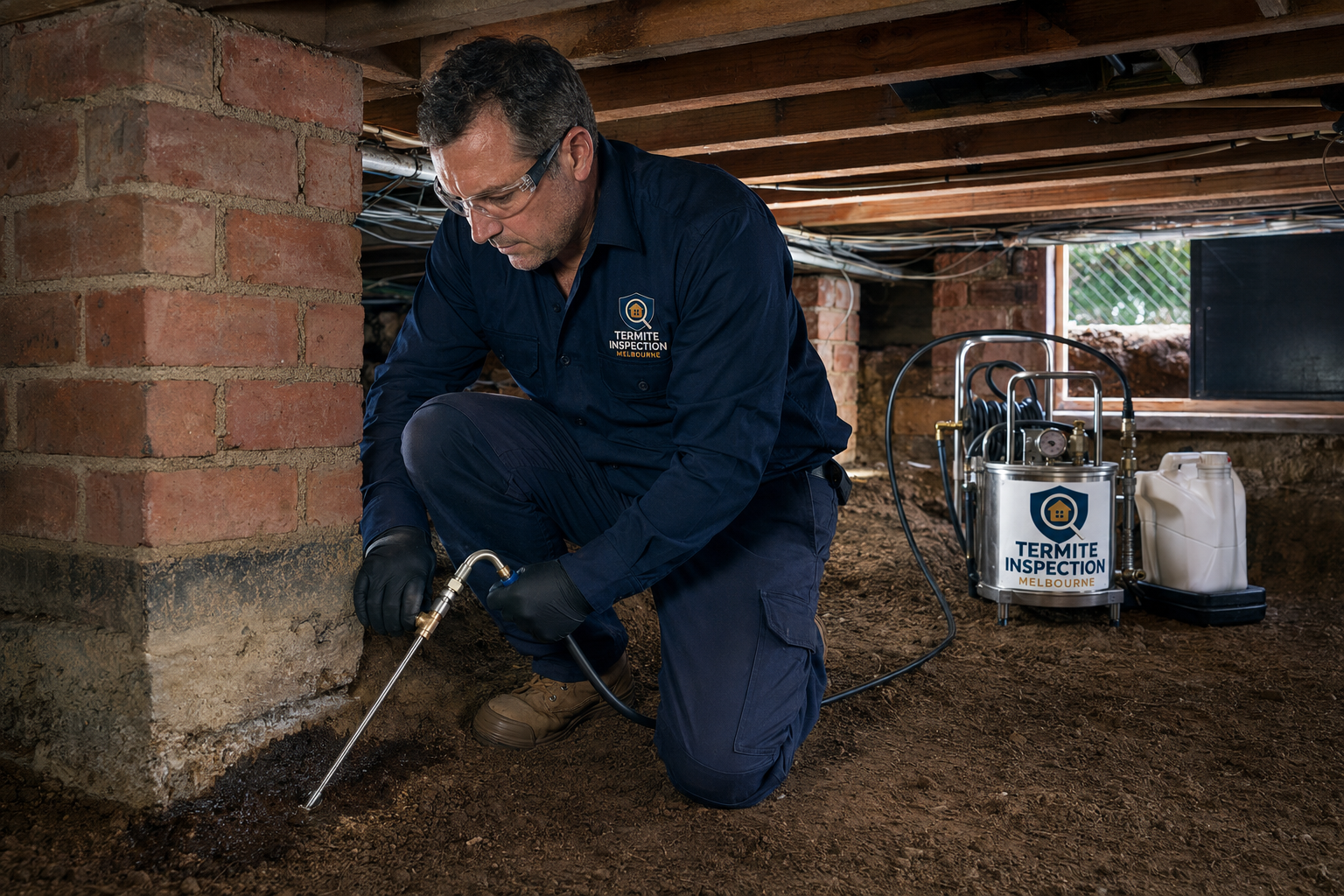
What to expect after treatment
Day-by-Day Silverfish Treatment Timeline
Day 1 — inspection, micro-dusting and residual perimeter treatment
The technician confirms accessible harbourages, records paper or textile damage, maps moisture risks and completes the agreed crack, void and travel-edge treatment. Occupants follow the stated re-entry time, keep protected belongings covered and avoid washing treated structural edges.
Days 2–5 — active contact kill and foraging disruption
Nocturnal foragers crossing treated routes begin to contact the residual. An occasional sighting does not automatically mean failure because insects may leave protected gaps after disturbance. Record the room and time without layering supermarket sprays or cedar oils over professional residues.
Days 7–14 — hatching-cycle control
Young nymphs emerging from protected cracks should encounter active treatment where routes were correctly identified. Continue checking bathroom edges, cupboard bases, wardrobes, bookcases and damp storage. Repair leaks and improve ventilation promptly so the harbourage becomes less favourable.
Day 30 — clearance review and warranty activation where applicable
Eligible services are reviewed against the documented treatment zones and written warranty conditions. The aim is no continuing evidence in the serviced areas. Maintaining dry storage, ventilation, leak repair and protected paper and textiles supports the result.
Treatment option comparison
Professional Silverfish Treatment vs DIY Products
Professional control combines inspection, correctly placed residual treatment, micro-dusting and humidity guidance. A product used without understanding harbourage and moisture may kill one visible insect while leaving eggs, nymphs and connected voids unchanged.
| Method | Source control | Effectiveness | Child & pet planning | Speed | Long-term result |
|---|---|---|---|---|---|
| Professional residual dusting & barrier | Inspection maps moisture, food sources, cracks and connected voids | High when harbourage evidence guides precise placement | Documented preparation, protection and re-entry directions | Initial knockdown with continuing residual interception | Strongest when humidity and storage problems are corrected |
| Supermarket surface sprays | Usually limited to the insect or bathroom edge seen | Variable; often misses eggs, nymphs and wall or floor voids | Misuse can expose books, clothing and household surfaces | Fast direct knockdown if an insect is contacted | Poor where humidity and protected harbourages remain |
| DIY cedar balls or oils | No inspection, moisture diagnosis or concealed-void treatment | Limited and temporary repellency in small enclosed spaces | Oils may irritate, stain materials or be unsuitable around some pets | Odour is immediate but population reduction is unreliable | Weak once volatile oils dissipate |
| Professional thermal fogging | Can treat selected complex spaces when specifically appropriate | Useful only as part of an inspected, label-compliant program | Requires strict preparation, vacancy and re-entry planning | Broad initial contact in selected environments | Not a substitute for crack treatment, leak repair or humidity control |
Local inspection and treatment coverage
Silverfish Pest Control Across Melbourne
Our silverfish treatment Melbourne service covers the metropolitan area and the Mornington Peninsula. If you searched for silverfish control near me, bookcase silverfish removal Melbourne or a local professional silverfish exterminator, our Clyde North team services Melbourne’s south east, eastern, northern and western suburbs. Building age, ventilation, plumbing, subfloor construction, coastal humidity and storage patterns vary, so treatment planning remains property-specific.
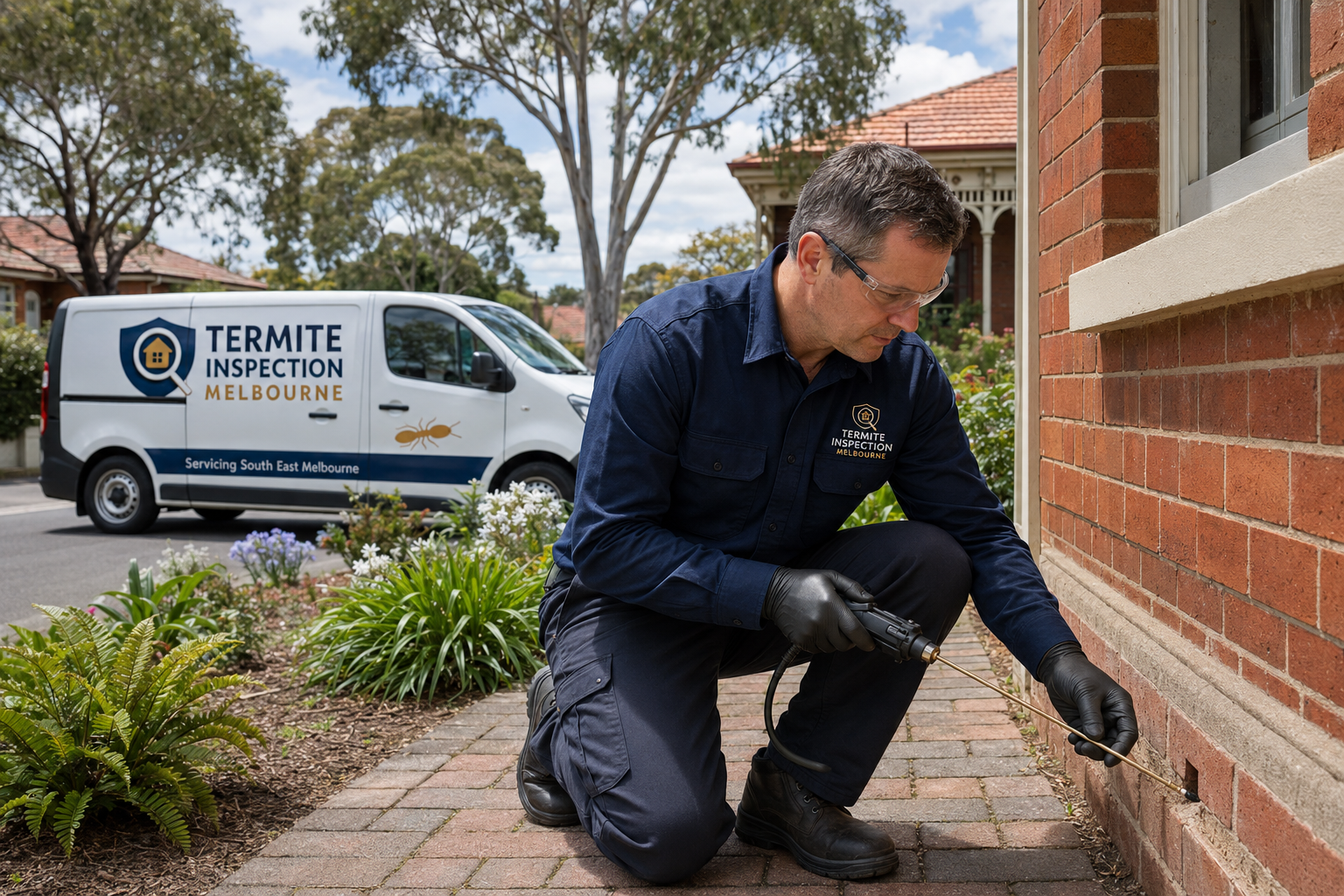
South East Melbourne & Clyde North
Clyde North pest control calls often involve modern slab homes, tiled roofs, ensuite bathrooms and tightly packed wardrobes. We service Clyde, Cranbourne, Berwick, Narre Warren, Pakenham, Officer, Dandenong, Keysborough and surrounding suburbs. New construction is not immune: plumbing penetrations, condensation and cardboard retained after a move can provide local harbourage. Same-day silverfish treatment is prioritised where scheduling and safe access allow.
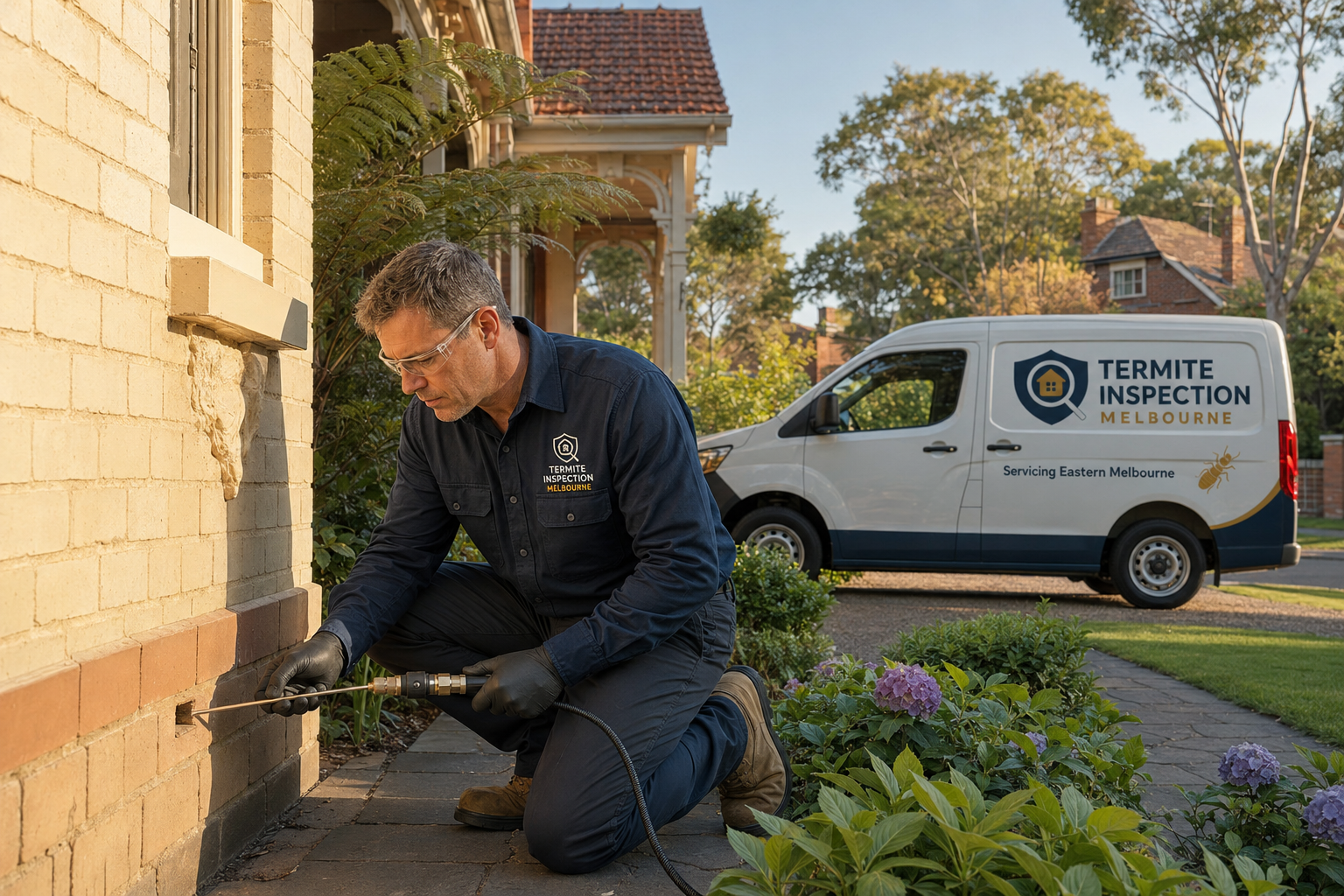
Eastern & Northern Melbourne
Older eastern and northern homes may combine timber subfloors, mature gardens, limited underfloor ventilation, roof leaks and built-in cupboards. We cover Ringwood, Croydon, Doncaster, Box Hill, Glen Waverley, Heidelberg, Preston, Brunswick, Coburg, Epping and nearby districts. Damp subfloor patches can support activity below bedrooms and studies, while ageing bathrooms and wallpapered walls create food and shelter higher in the building.
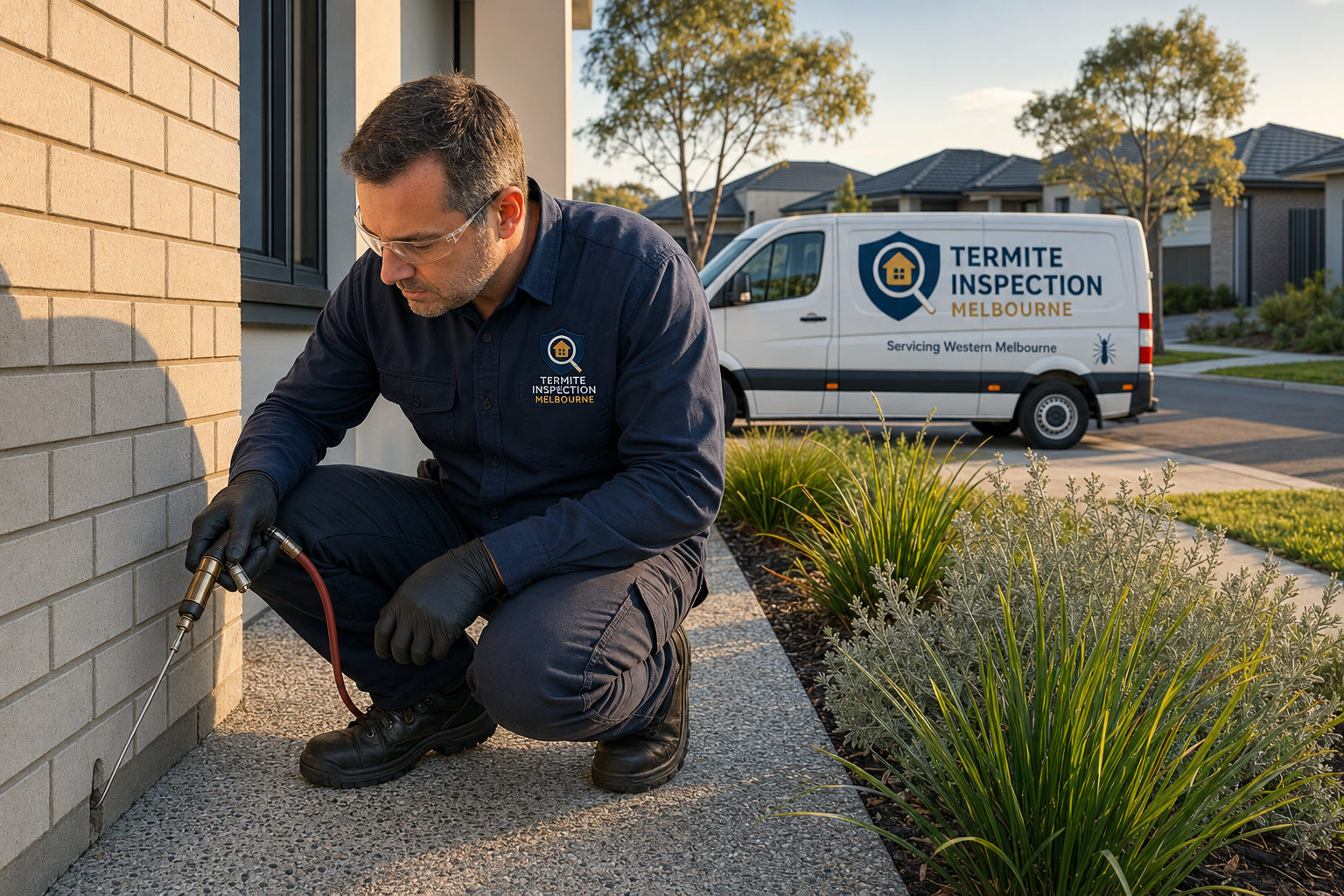
Western Melbourne & Melbourne CBD
Western suburbs and inner-city sites range from new estates to warehouses, apartments, libraries and mixed-use buildings. We service the Melbourne CBD, Docklands, Footscray, Sunshine, Werribee, Point Cook, Altona, Williamstown and surrounding areas. Shared service ducts, archive rooms, compact laundries and boxed stock can spread activity beyond one tenancy. Commercial and strata sites may require a documented IPM inspection before treatment is quoted.
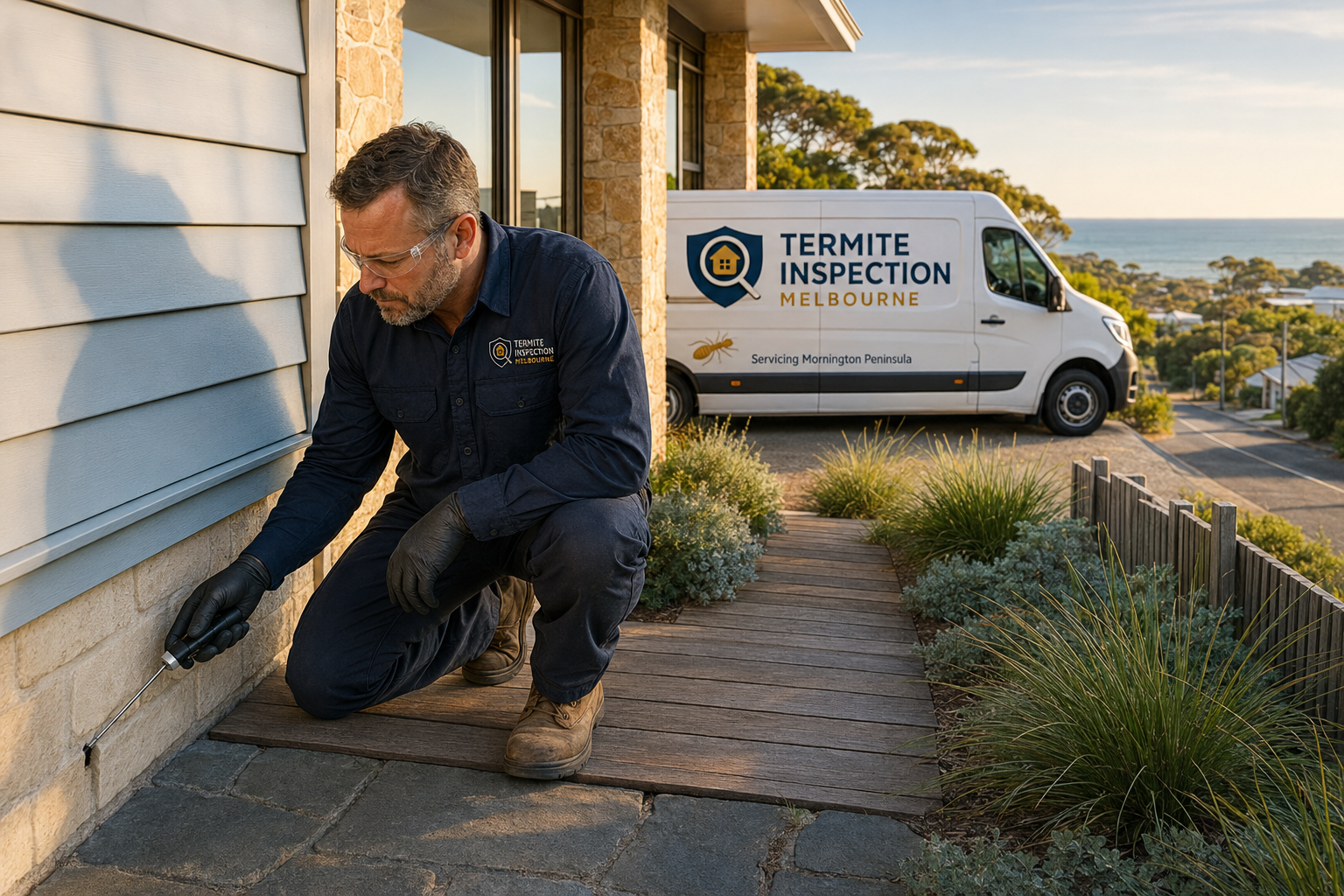
Mornington Peninsula
Coastal and peninsula homes experience marine humidity, holiday-property vacancy, stored linen and variable ventilation. We service Frankston, Mount Eliza, Mornington, Rosebud, Dromana, Hastings and surrounding communities. Closed wardrobes, damp garages, beach equipment and long periods without disturbance can protect silverfish. Inspection considers seasonal occupancy, subfloor airflow, roof leaks and how paper and textiles are stored.
Real social proof, no invented quotations
Check Verified Local Customer Feedback
We do not manufacture customer names or review quotes for a landing page. Use the links below to review current published feedback and service information for the area relevant to your booking.
★★★★★
Clyde North & South East Melbourne
Read current verified customer feedback, confirm service availability and judge our responsiveness before booking.
View verified reviews★★★★★
Melbourne CBD & Inner Suburbs
Read current verified customer feedback, confirm service availability and judge our responsiveness before booking.
View verified reviews★★★★★
Mornington Peninsula
Read current verified customer feedback, confirm service availability and judge our responsiveness before booking.
View verified reviewsProfessional safeguards
Licence, Insurance and Chemical Compliance
Every proposed treatment should be traceable to evidence, label directions and a written scope. Ask questions before work begins—especially where children, pets, asthma, food areas or occupied bedrooms are involved.
Licensed pest technicians
Request confirmation of the technician’s current Victorian licensing or authorisation relevant to the work.
Fully insured service
Appropriate business insurance supports accountable work in homes, rentals and commercial premises.
APVMA-registered products
Chemical products are selected and applied only within their registered label directions and approved use.
Police-check availability
Police-checked local technicians can be requested where available for occupied and managed properties.
Property note: silverfish do not bite people, but treatment cannot reverse damage to paper, wallpaper, adhesives or textiles. Valuable collections may also need specialist conservation advice.
AEO and voice-search answers
Silverfish Pest Control Melbourne FAQs
Detailed answers about books and wallpaper, humid bathrooms and subfloors, cedar oils, treatment cost, preparation, child and pet safety, timing and warranty conditions.
Why do silverfish target books, wallpaper and stored documents?+
Silverfish are attracted to carbohydrate-rich materials and microscopic organic residues. Book bindings, paper sizing, wallpaper paste, cardboard, photographs, envelopes and some adhesives contain starches or cellulose-associated materials they can graze. They may also feed on mould, dead insects and food residues around storage. Damage often appears as irregular surface grazing, small holes, notched edges, yellow staining or pepper-like scales and droppings. Because silverfish avoid light, deterioration can continue behind a bookcase, inside a carton or beneath wallpaper before adults are seen. Professional silverfish treatment Melbourne begins by confirming active damage, locating humid harbourages and separating pest evidence from ordinary wear, mould or other fabric pests.
How do you eliminate silverfish from humid bathrooms and subfloors?+
Effective control combines inspection, targeted treatment and moisture correction. We examine accessible bathrooms, laundries, kitchens, wardrobes, skirting gaps, plumbing penetrations, cupboards and subfloor zones, then map condensation, leaks and damp building materials. A residual product and micro-dust may be applied to suitable cracks, voids and travel edges in accordance with the registered label; open shelves, clothing, food-contact surfaces and personal items are protected rather than indiscriminately sprayed. Treatment removes active insects, while ventilation, leak repair, drainage improvement, dehumidification and storage changes make the site less supportive. A persistently wet subfloor or concealed plumbing fault may require a plumber, drainage contractor or building specialist as well as pest control.
Do cedar oils or cedar balls repel silverfish long term?+
Cedar products may create a noticeable odour and can have limited repellent effects in a small enclosed space, but they are not a reliable whole-property eradication method. Repellency declines as volatile oils dissipate, and products placed in a wardrobe do not reach insects breeding behind skirting, inside wall voids, beneath flooring or around plumbing. Essential oils can also mark materials, irritate sensitive occupants or be unsuitable around some pets when misused. Cedar may support careful storage practice, but it does not replace species identification, moisture management and targeted crack-and-void treatment. DIY repellents can move activity away from the visible shelf without removing the hidden population.
How long does professional silverfish treatment take?+
A prepared one- or two-bedroom unit commonly requires about one to two hours, while a larger home with multiple wet areas, wardrobes, a roof void or an accessible subfloor can take longer. The actual duration depends on access, infestation spread, stored contents and the zones selected. Day 1 includes inspection, identification and the agreed residual or micro-dusting treatment. Activity should reduce as foraging insects cross treated areas, but protected individuals and newly emerged nymphs can remain visible for a period. Do not wash treated cracks or apply other sprays over the service. The technician explains re-entry, monitoring and any warranty response in the written scope.
Is professional silverfish treatment safe for children and pets?+
Professional treatment is planned around the occupants and the registered product label. Children, pets and other occupants must remain away from active application zones and observe the advised drying, ventilation or re-entry period. Clothing, books, toys, pet bowls, food, aquariums and sensitive belongings may need to be covered, removed or protected. Tell us about pregnancy, asthma, chemical sensitivity, fish, reptiles, birds and any unusual occupancy before the visit. No pesticide is completely risk-free. Safety depends on correct product selection, measured placement into appropriate cracks and voids, avoiding unnecessary exposure and following all written preparation and re-entry instructions.
What does silverfish pest control cost in Melbourne?+
Our standard residential prices are $180 before GST for a small one- to two-bedroom unit, $210 before GST for a medium three-bedroom house and $240 before GST for a large four-bedroom property. The totals are $198, $231 and $264 including GST. This gives customers comparing paper-eating pest control cost, bookcase silverfish removal Melbourne rates or the price of a professional silverfish exterminator a clear starting point before contact. Optional roof void, exterior, large floor-area, spider, ant and rodent services change the total. Commercial work starts with a $270 inspection-only IPM assessment ($297 including GST); commercial treatment is quoted separately after risks and access are documented.
Do you offer same-day silverfish treatment in Melbourne?+
Same-day silverfish treatment may be available when a suitably equipped technician, safe access window and travel route are available. Call 0466 929 533 with the suburb, property size, rooms affected, visible damage and any children or pets. If valuable archives, stock or important documents are at risk, explain that when booking so triage can reflect the urgency. We confirm the available appointment, applicable package and final GST-inclusive price before the request is completed. Same-day attendance is subject to confirmation and is not presented as a guaranteed 24-hour emergency service.
Will supermarket sprays or foggers eliminate silverfish?+
A surface aerosol can kill an exposed silverfish, but repeated activity normally originates from narrow gaps, wall junctions, flooring edges, wet-area cavities and stored materials that a quick spray does not reach. Total-release foggers distribute product through open air and may deposit residue where it is not needed while leaving protected cracks untreated. They also do not diagnose moisture faults or protect books and clothing. Professional residual dusting and barrier work starts with inspection, uses registered products in the intended locations and is combined with humidity and storage guidance. Thermal fogging is considered only when appropriate to the site and label—not as an automatic substitute for source control.
How should I prepare books, wardrobes and cupboards for treatment?+
Do not discard important books or clothing before identification. Photograph damage and leave representative evidence for the technician. Remove loose items only as instructed, place affected papers in clean sealable containers, launder suitable textiles according to their care labels and provide access to skirting, wardrobe bases, plumbing gaps and cupboard hinges. Food, utensils, toothbrushes, cosmetics, pet items and open textiles should be protected. Avoid transferring unchecked cartons to another room because this can spread insects. Fragile, archival or culturally significant materials may need advice from a conservator; pest treatment cannot reverse existing paper, glue or fabric damage.
What does the silverfish elimination guarantee cover?+
A written elimination warranty may apply to eligible services when the target pest, accessible treatment zones, preparation requirements and moisture-control responsibilities are documented. It covers the agreed service scope rather than promising that untreated contents, inaccessible voids or a continuing water leak cannot support new activity. Excess humidity, uncorrected plumbing or drainage problems, immediate washing of treated areas, imported infested cartons and inaccessible shared-building cavities can affect results. The service agreement states the warranty period, included response, treated areas and exclusions. Customers should rely on that written document rather than a general advertising statement.
Can silverfish survive for months without food?+
Silverfish are unusually persistent insects. Under suitable cool and humid conditions, adults can survive extended periods with very little food, and development from egg to adult may take many months depending on temperature and moisture. They continue moulting after maturity, which separates them from many other household insects. This persistence explains why removing one cardboard box or spraying one bathroom does not always solve the problem. Long-term control needs inspection of the wider moisture network, treatment of connected harbourages and protection of vulnerable starch-rich materials.
Sunday dispatch windows may still be available
Protect Your Books, Wardrobes and Humid Rooms Today
Call now for an urgent Melbourne silverfish inspection and same-day treatment option. We will confirm availability, explain the moisture and harbourage inspection pathway, and show the final GST-inclusive service price before booking.