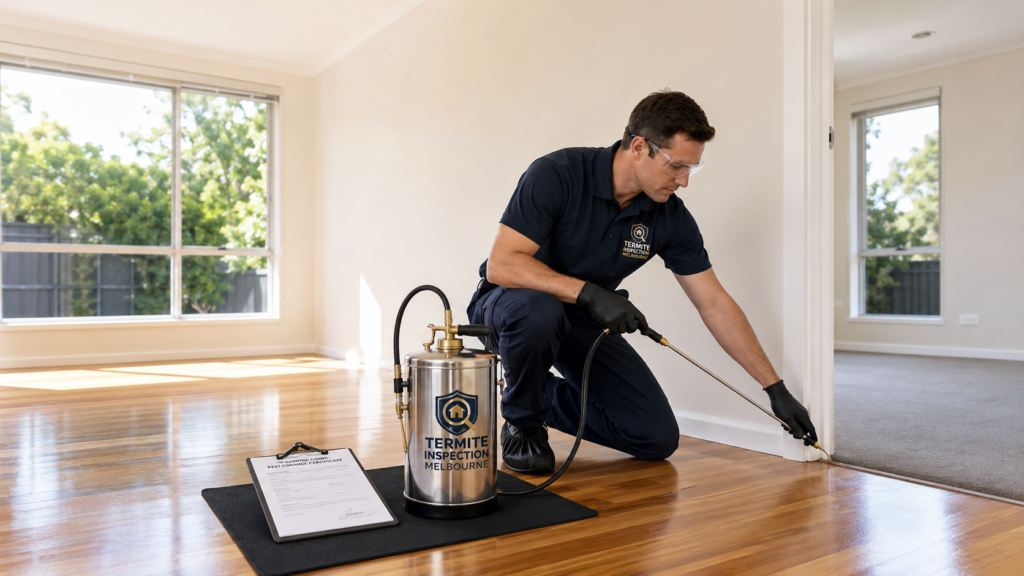
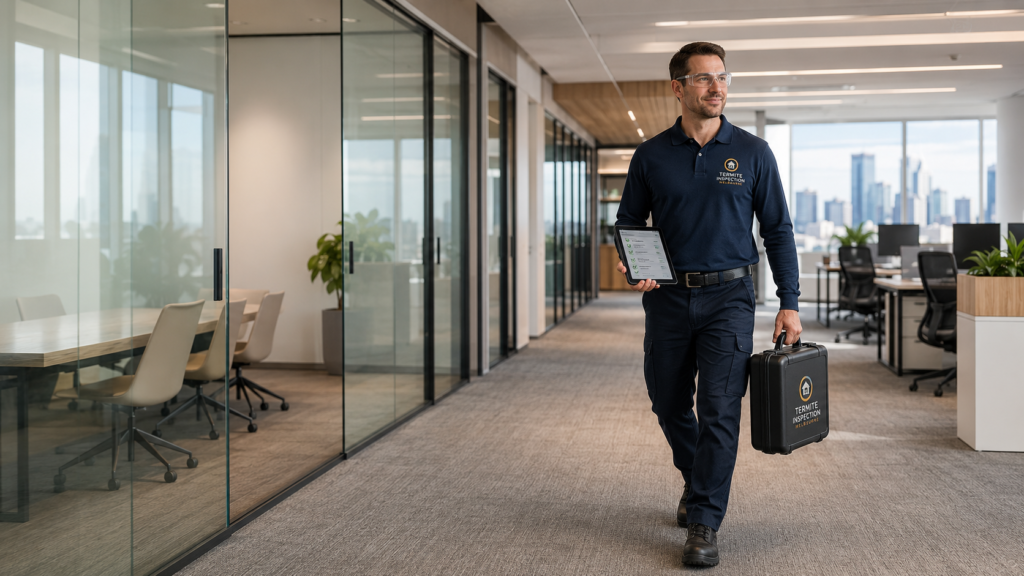
Subterranean termites and the building being inspected
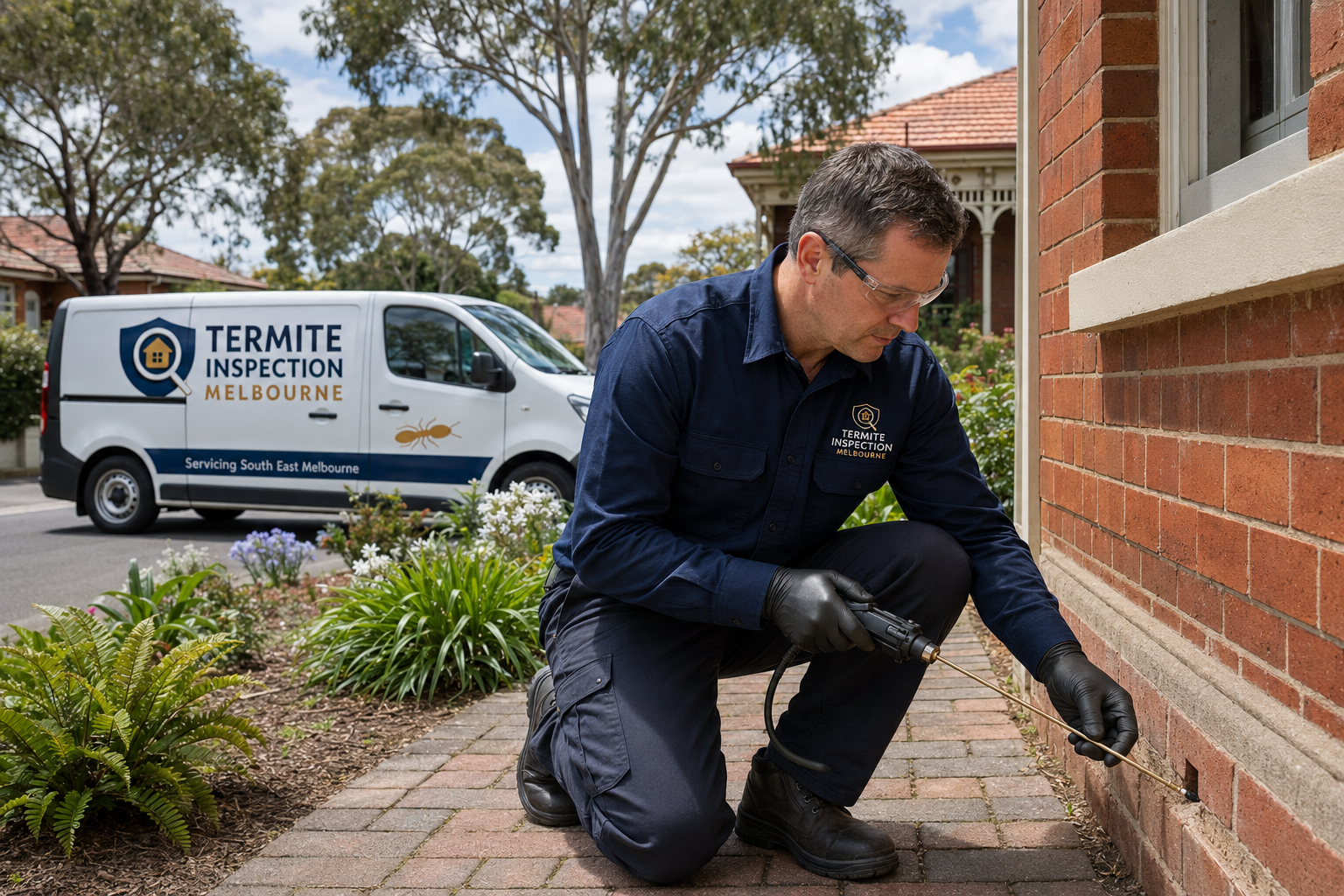
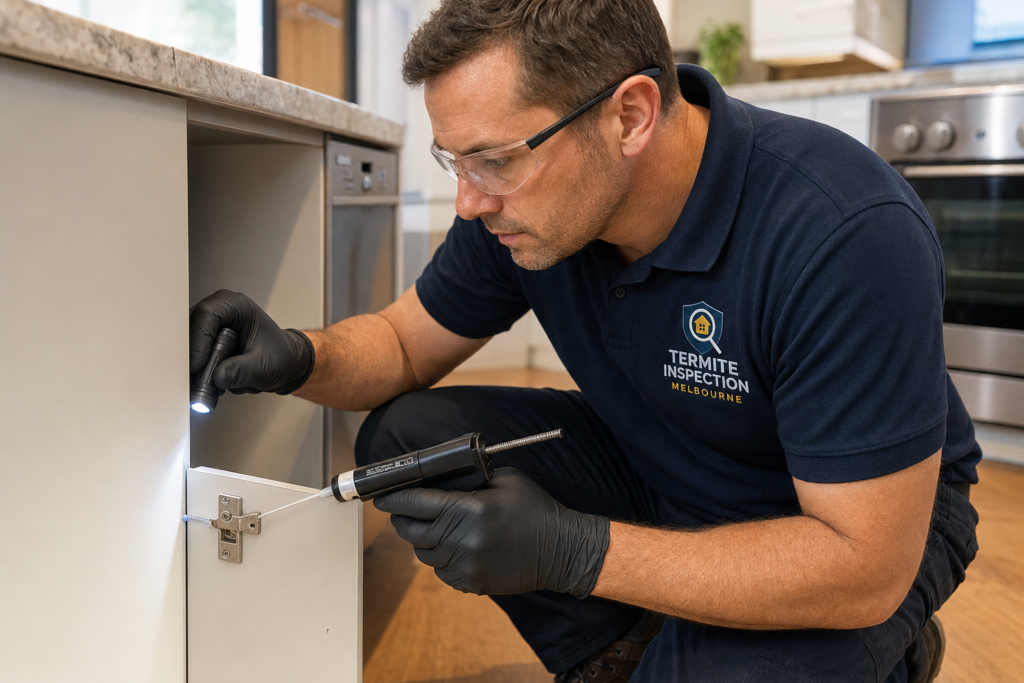
A termite enquiry needs more than a photograph of a damaged skirting board. The inspector considers visible evidence, timber condition, accessible building elements and conditions that may conceal activity. Subterranean termites can reach timber through concealed routes, so the absence of insects on an exposed surface does not establish that a building is unaffected. Equally, a soft timber section may have another cause. Identification and inspection come before choosing a treatment. If you find suspected activity, leave the affected area undisturbed and arrange assessment rather than breaking open more timber.
For a slab-on-ground home in Clyde North or Cranbourne East, provide any construction-stage termite-management records and details of additions made since the house was built. Accessible slab edges, service penetrations and the junction between old and new work may be relevant to the assessment. The actual inspection scope depends on construction and access. A garden bed covering a building edge is a practical visibility issue to discuss, rather than proof that termites are present. Keep documentation for installed systems together so recommendations can account for the protection already specified.
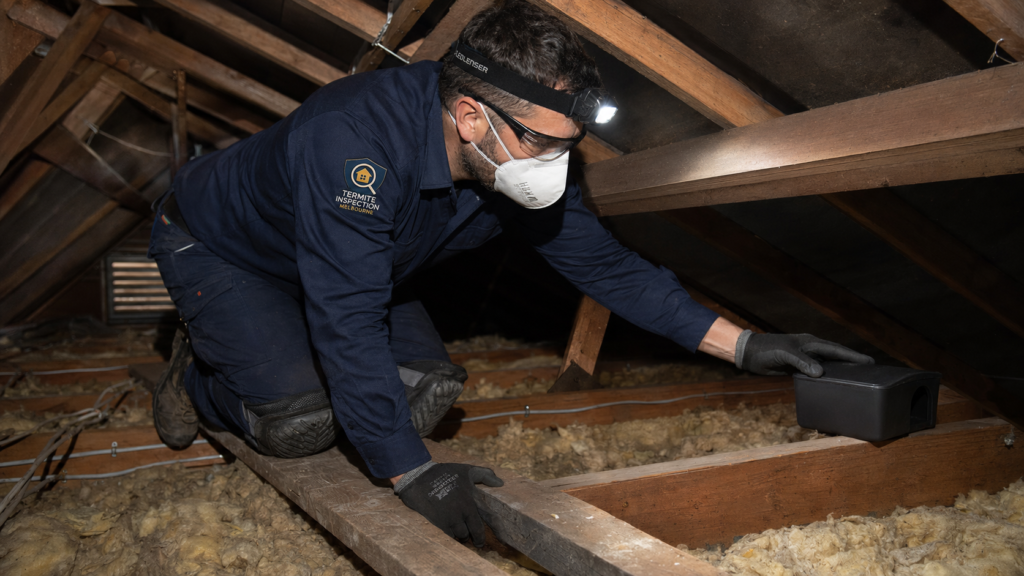
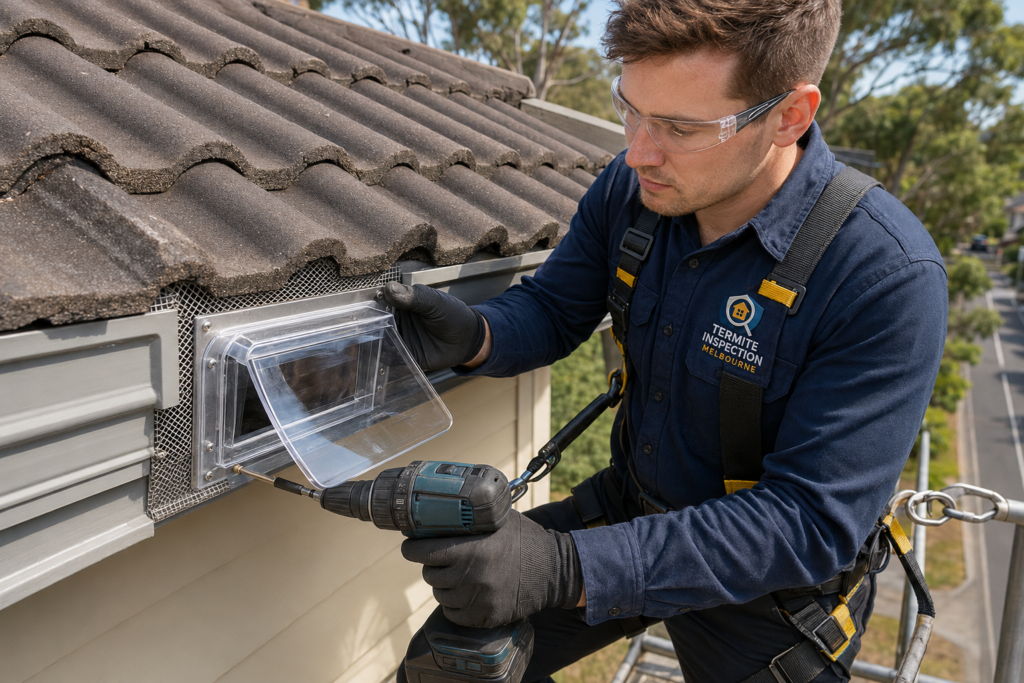
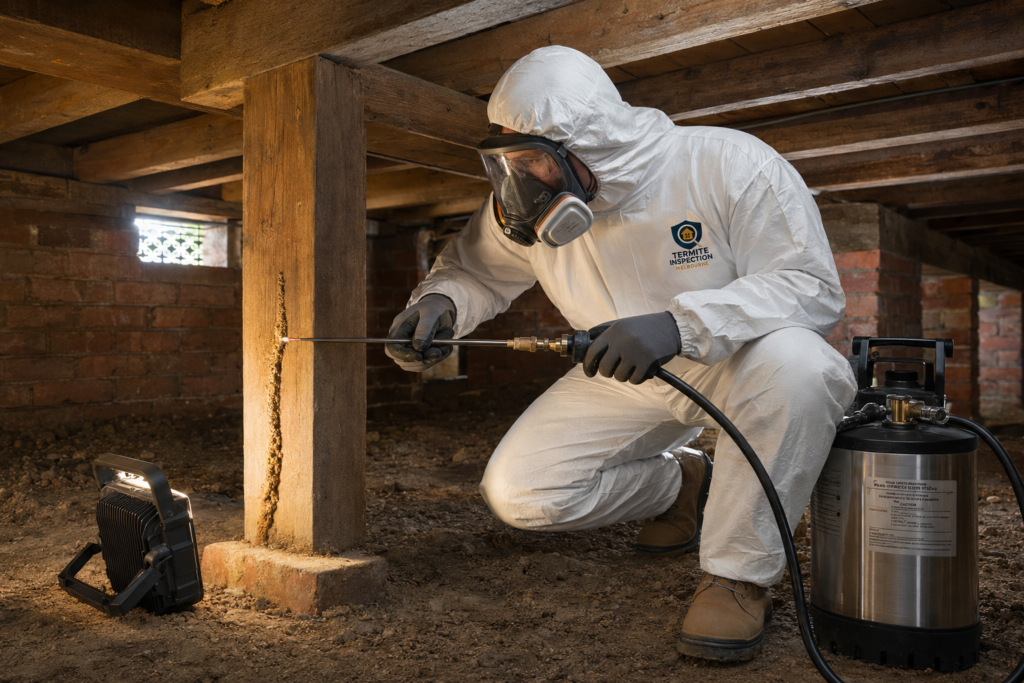
An established property in Berwick, Narre Warren or Clayton may have suspended floors, a slab extension, or both. Where a subfloor exists, access, clearance and safety determine whether it can be examined. Tell us about leaking pipes, inaccessible hatches and stored items before attendance. A report should identify limitations and explain their significance for the property. It should not imply that every concealed space was inspected. Roof spaces likewise require suitable access and safe conditions; the presence of a hatch alone does not guarantee that every roof element can be reached.
What thermal and moisture tools can tell you
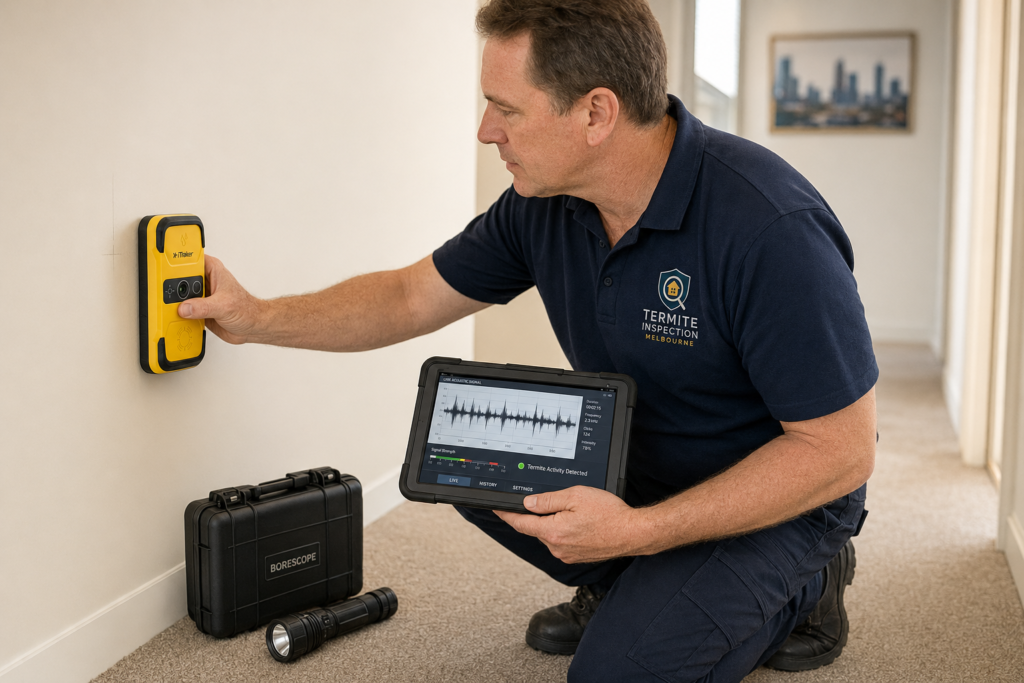
Thermal imaging measures surface temperature patterns. It does not provide a transparent view through a wall and cannot, by itself, identify a termite colony. A temperature difference may justify closer investigation, but can also be associated with insulation, air movement, heating, sunlight or moisture. Ask which tools are included in your chosen inspection and how unusual findings will be checked. Useful reporting connects instrument observations with visible evidence and construction details instead of presenting a colourful image as a diagnosis.
Moisture readings can help investigate a suspicious area or a condition that needs maintenance. An elevated reading is not automatically evidence of termites, and a normal reading does not certify that concealed timber is sound. The technician should consider the surface, material and context of the reading. If plumbing or roof defects are suspected, the relevant repair may require another trade. Treating a pest does not repair a leaking pipe or replace damaged timber. Clear recommendations let the owner arrange pest management and building maintenance in the right order.
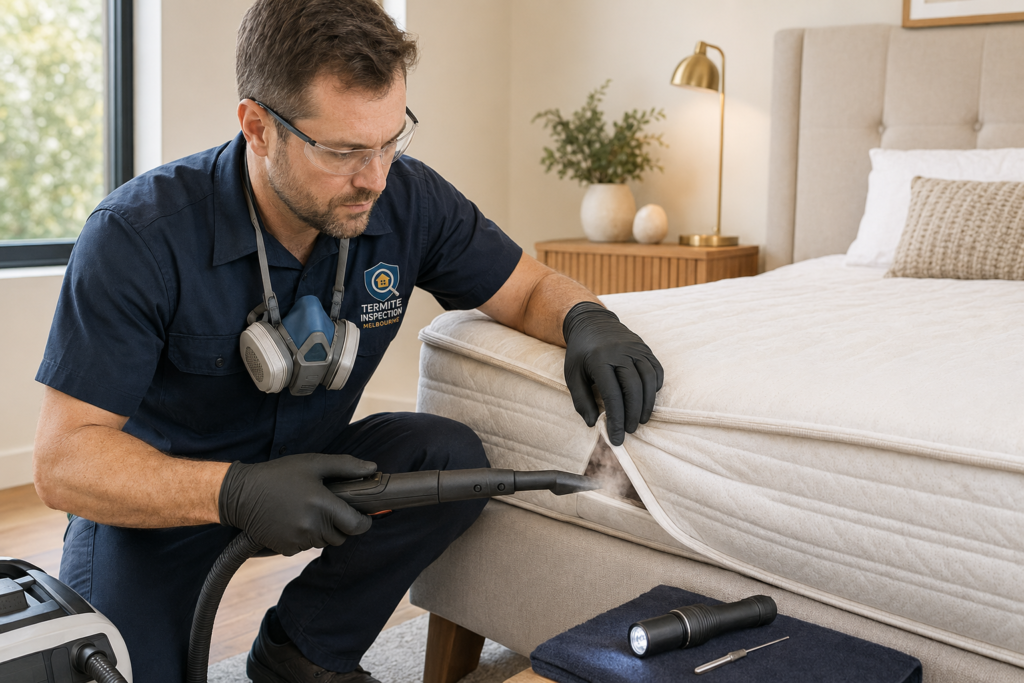
Confirm the inspection inclusions before booking a thermal scan, especially when comparing a complimentary scan with a full timber-pest inspection. The accessible areas, report, equipment and follow-up may differ. A limited scan is not a substitute for examining the agreed property scope. If a concerning area remains inaccessible, discuss further investigation and the required permissions. Opening linings or carrying out invasive checks should be separately authorised and described; neither an online offer nor a routine inspection authorises destructive access to your home.
Inspection standards and termite-management specifications
Timber-pest inspection and termite-management installation are separate tasks. Ask for the applicable inspection scope, reporting basis and limitations in writing. Where Australian Standards are referenced, the quotation should identify the relevant standard and the work to which it applies. The AS 3660 series concerns termite management; it should not be used as a blanket promise that a visual inspection has examined all concealed timber. A claim of compliance needs to relate to the specified work, the construction and the documented installation or assessment requirements.
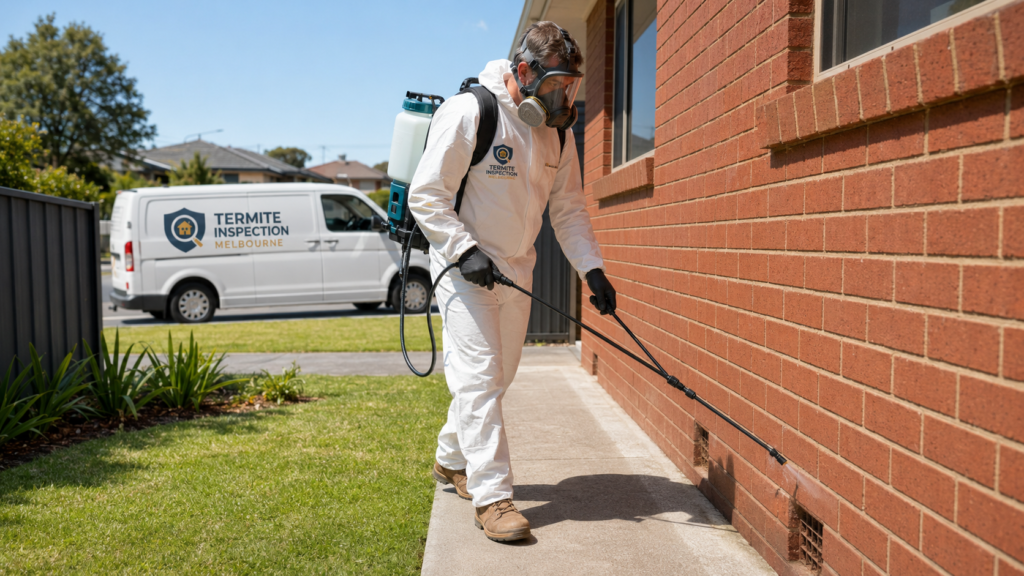
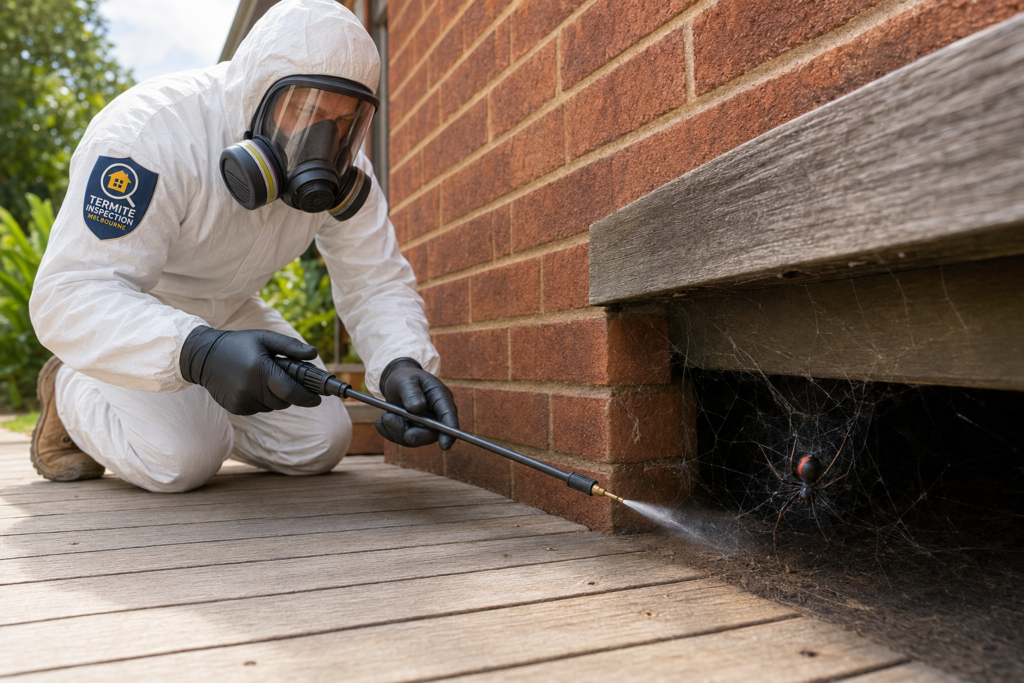
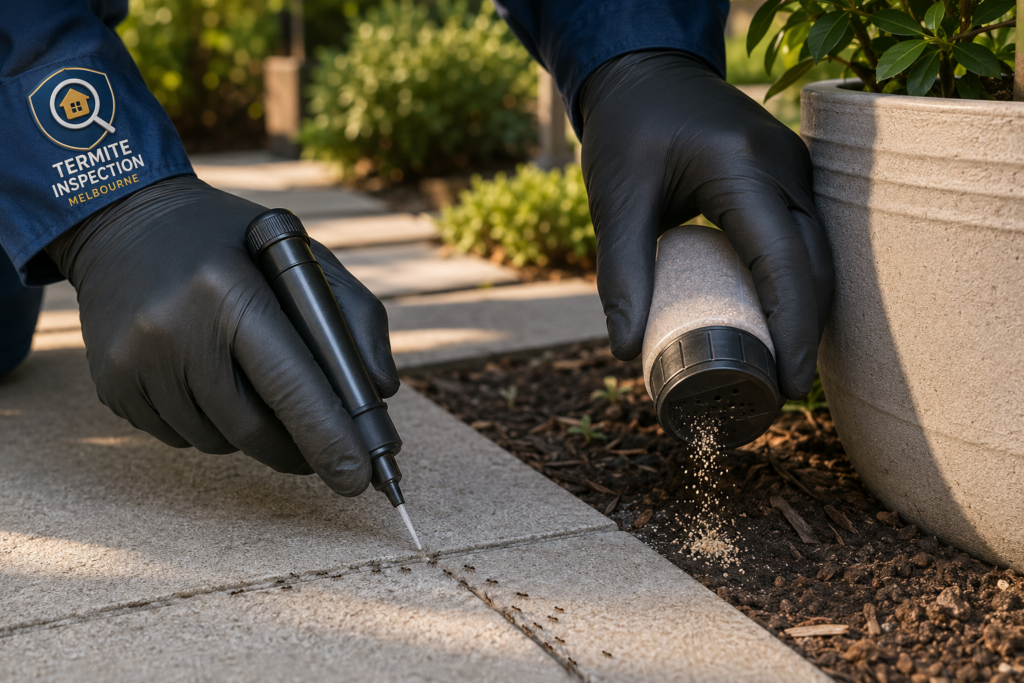
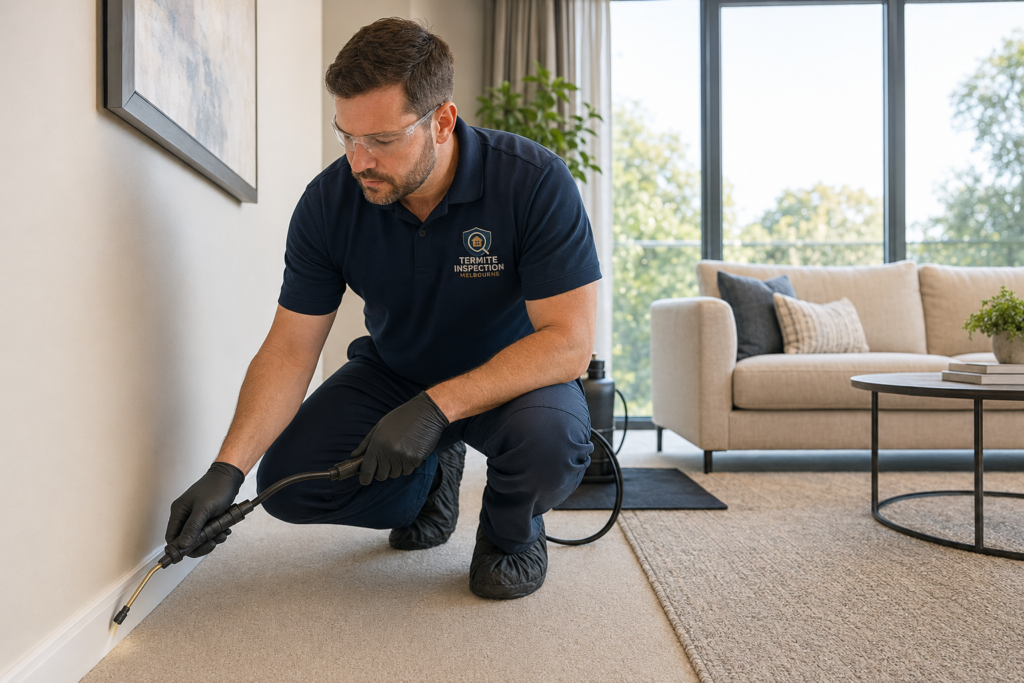
For a proposed barrier treatment, compare the product, treated areas, access requirements and ongoing inspection obligations. Concrete drilling, trenching, landscaping and existing systems can affect the plan. The written specification should explain what is included and identify exclusions or areas needing another approach. Do not compare quotations using the headline price alone if their scope differs. A complete-perimeter promotion still needs a site assessment to determine whether the offered treatment is suitable and what conditions apply to that property.
After the inspection: useful decisions rather than alarm
If activity is found, ask what evidence supports the identification, which areas are affected and what management options are appropriate. A recommendation should explain the proposed method and any further investigation needed. Timber repairs and structural advice may require qualified building professionals. If no activity is identified in the inspected areas, keep the report and follow the recommended maintenance and inspection programme. That finding relates to the inspection date, accessible areas and scope; it does not provide permanent protection against future activity.
For rental homes and shared buildings, decide who should receive the report and who can authorise the next stage. A tenant can describe the evidence but may not control common areas or approve building alterations. Property managers should ensure that access arrangements match the quoted inspection scope. If a unit in Springvale or Noble Park shares building elements with neighbouring premises, coordinated access may be needed to investigate the concern properly. Keep each inspected address and accessible area clearly recorded rather than extending findings to places that were not examined.
A prevention plan is easiest to follow when it names specific actions: address a documented moisture issue, restore visibility to an agreed inspection area, keep an existing system record available, or arrange the recommended return inspection. Ask which actions are urgent and which form part of routine maintenance. Avoid disturbing suspected termite evidence while waiting for advice. Call 0466 929 533 to describe your concern, or select termite inspection in the existing booking calculator for the property details and service options.