A council-wide program uses consistent reporting and approval controls, while the inspection and treatment method changes according to confirmed evidence, building use and exposure.
Rodent Monitoring, Exclusion & Source Control
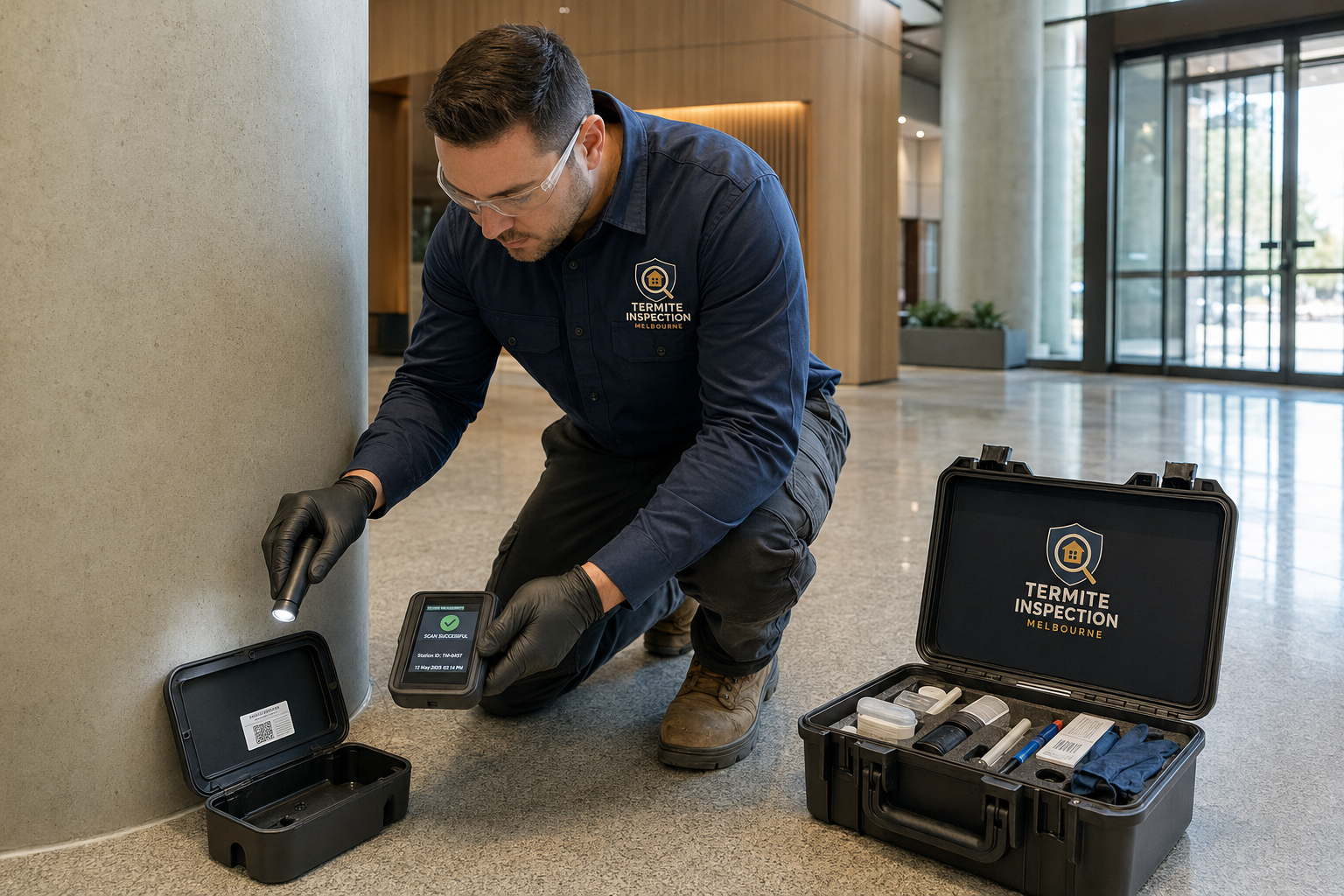
Rats and mice can move between drains, roof voids, garden edges, bin compounds, loading areas, kitchens and storerooms. A municipal rodent plan records droppings, gnawing, rub marks, tracks, harbourage, food and water sources before devices are positioned. Tamper-resistant external stations, internal monitoring devices and traps are selected for the site rather than installed as a generic grid. Device identifiers and service results create a trend record by asset and zone.
Repeated activity triggers investigation of door seals, wall penetrations, drainage, vegetation, stored materials and waste practices. Proofing recommendations specify the observed opening and responsible action, because bait alone does not repair a building. Carcasses, contamination or inaccessible ceiling activity may require a separate hygiene, access or building scope. Public housing, childcare and food premises also need site-specific communication and access control.
Cockroach, Ant & Stored-Product Pest Management
Cockroaches and ants exploit warm equipment, service ducts, plumbing voids, floor-wall junctions, staff kitchens and food residues. Inspection identifies species and activity because German cockroach control inside a kitchenette differs from an outdoor ant trail entering a public counter. Targeted gel bait, monitoring, crack-and-crevice treatment and an insect-growth regulator may be considered where the registered label and site conditions support them. Aerosol fogging is not treated as a universal municipal solution.
Libraries, community stores and food areas can also experience silverfish, booklice, moths, beetles or pantry pests. Affected material is traced to the source, isolated where appropriate and reviewed for moisture, storage, stock rotation and cleaning. Reports distinguish treatment from conservation, disposal or food-safety decisions that remain with the asset custodian.
Spiders, Wasps, Mosquitoes & Public-Facing Hazards
Outdoor amenities, pavilions, playground-adjacent buildings and depots may develop webs, wasp nesting or mosquito resting and breeding zones. The response begins with identification and location. A wasp nest beside a childcare gate requires different control and isolation from an inactive web under a locked depot canopy. Spider management combines web removal, harbourage reduction and targeted residual treatment where suitable, while staff avoid disturbing egg sacs or suspected venomous species.
Mosquito planning maps standing water, gutters, drains, containers, shaded vegetation and nearby wet areas. Source reduction and lawful larval control are considered before broad adult treatment. Pollinators, waterways, stormwater, native animals and public access affect product and timing. Where a pest presents immediate risk, the council contact retains authority over closure or exclusion of the zone.
Termites, Borers & Structural Timber Evidence
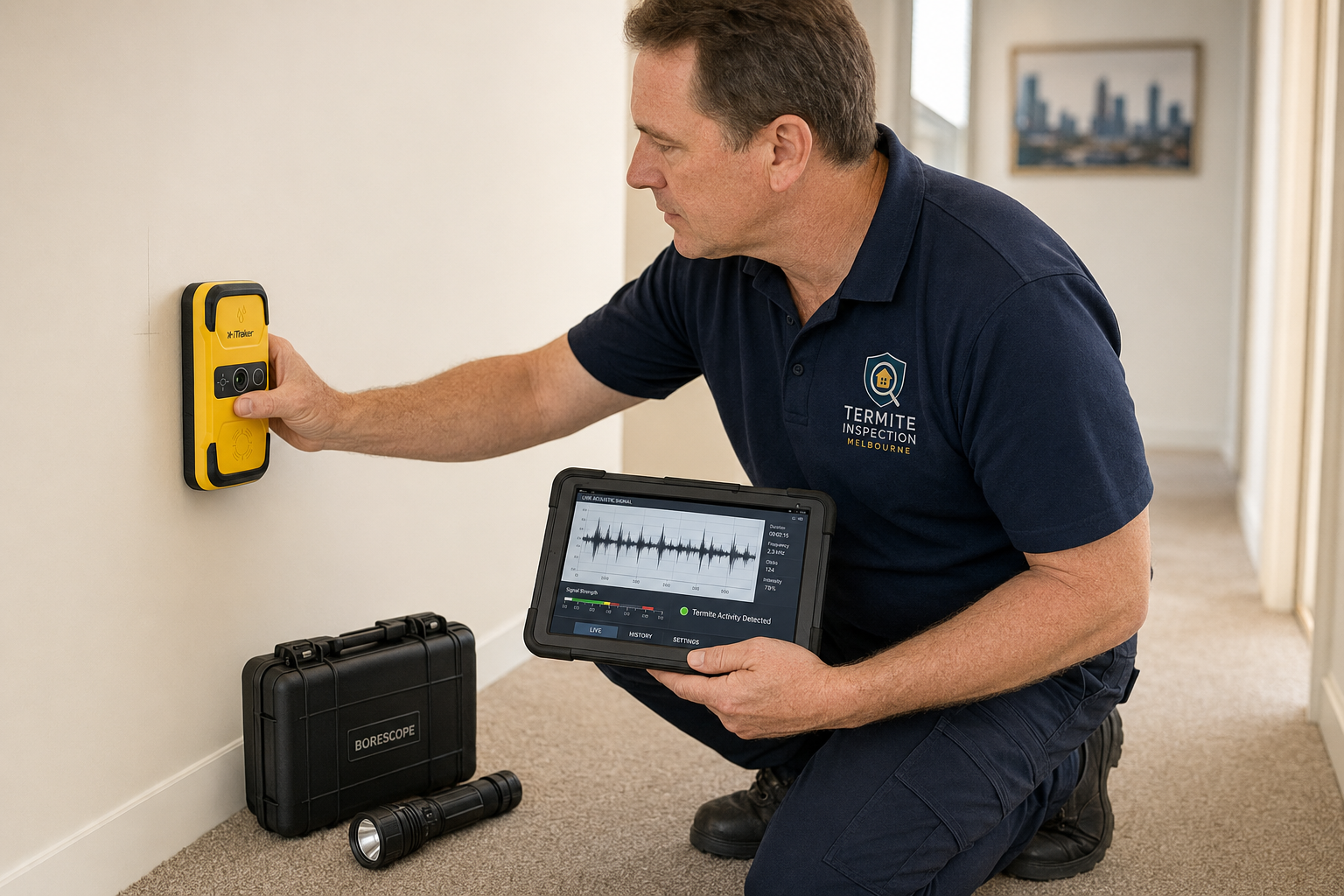
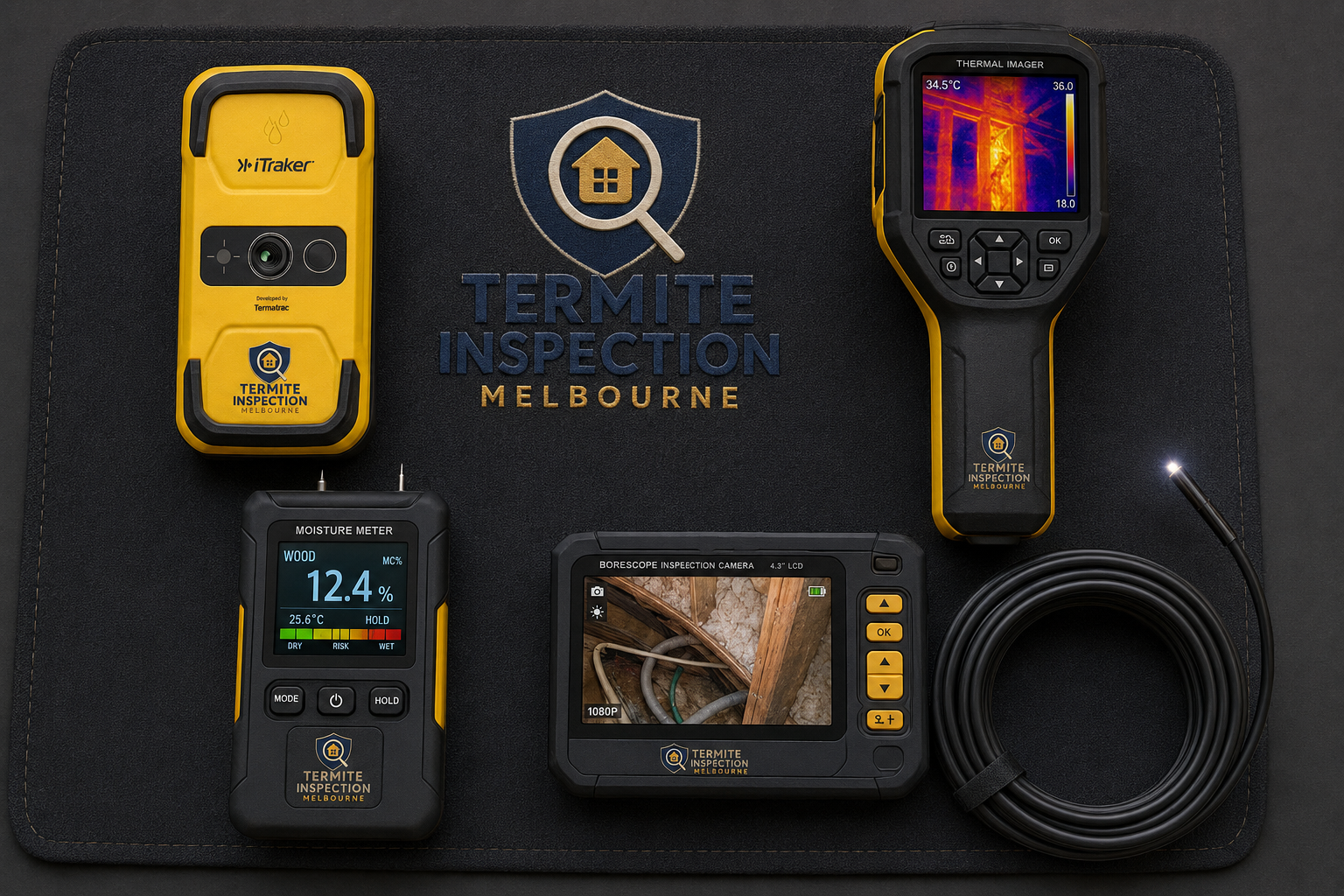
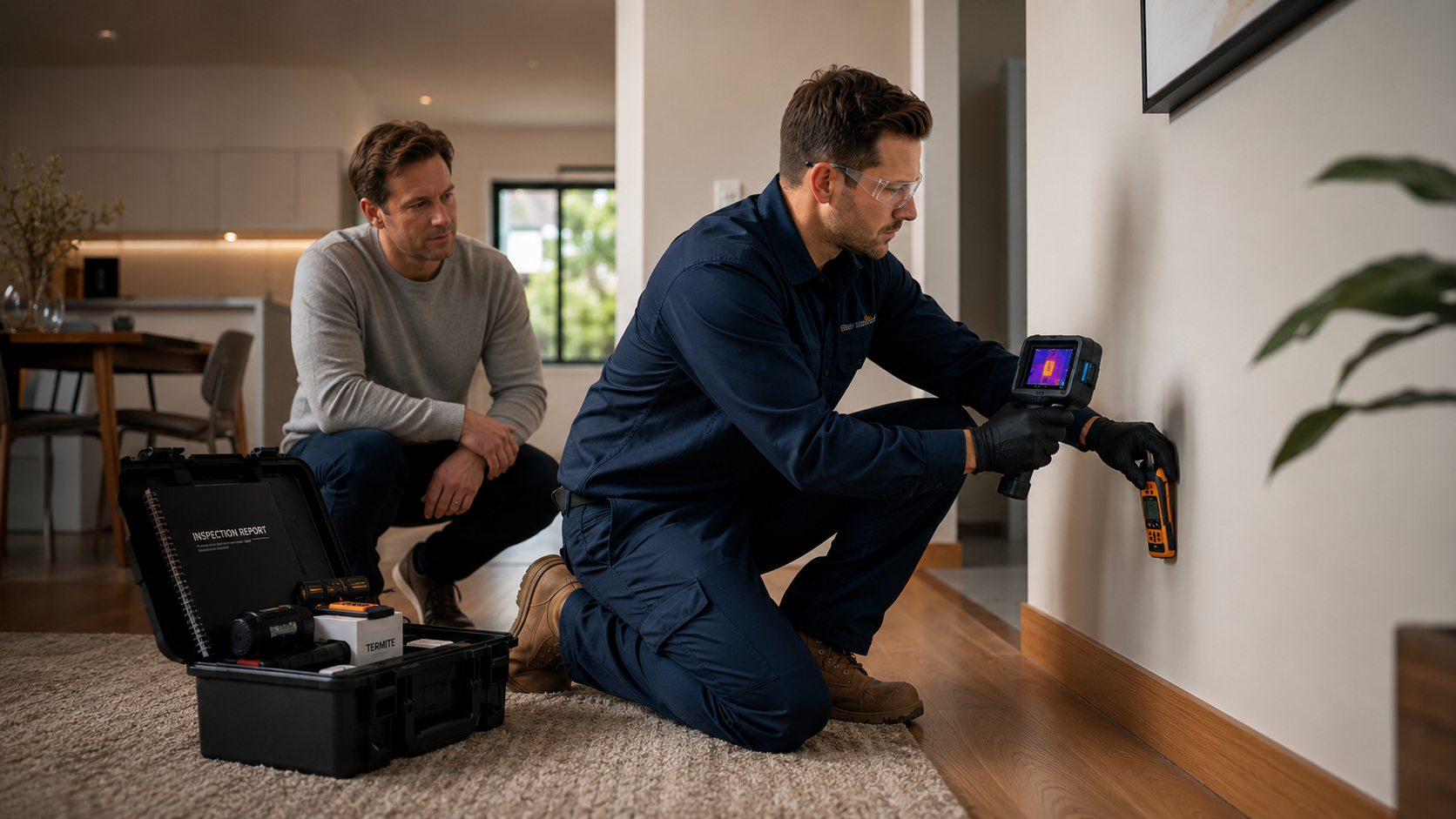
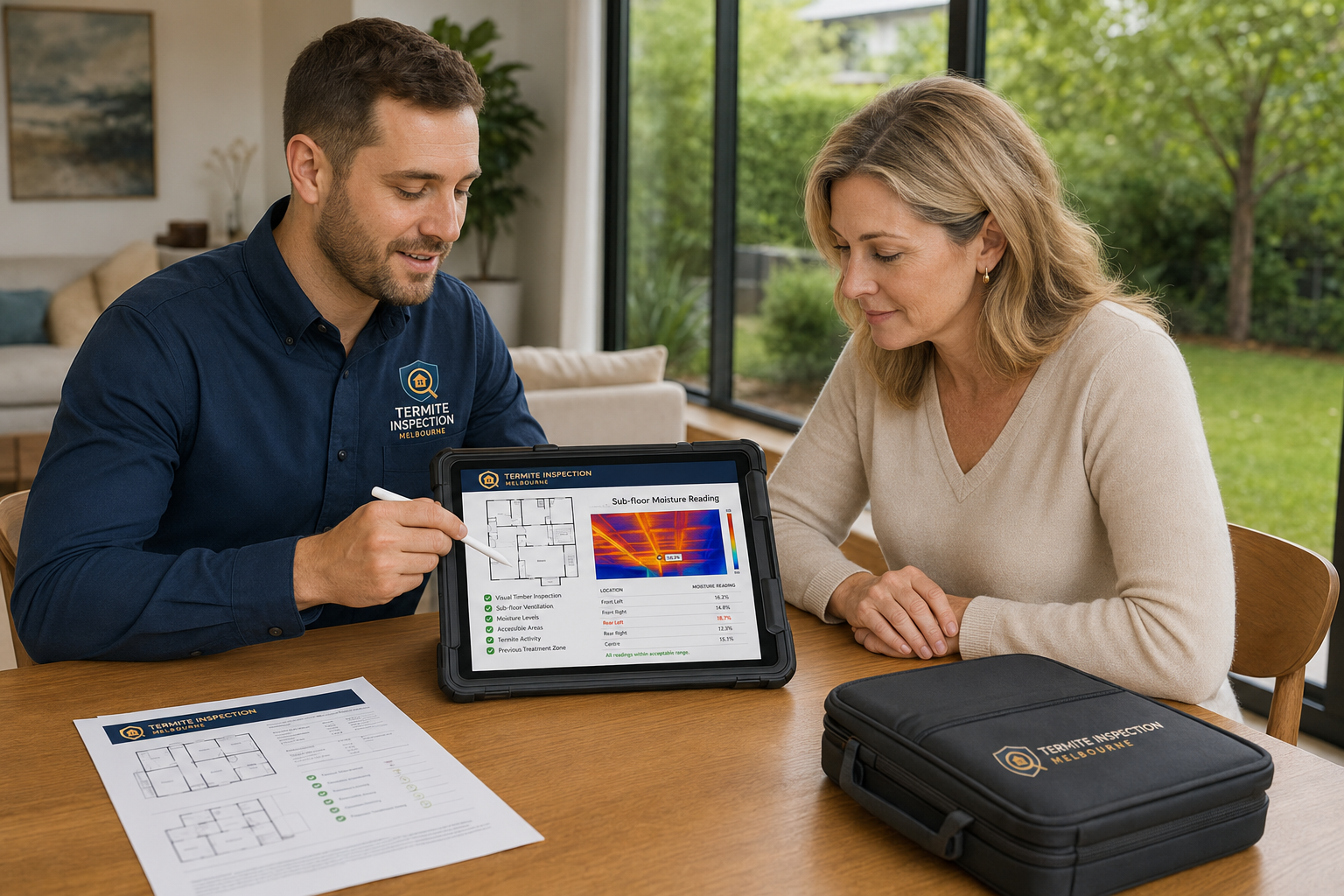
Timber-pest work requires a dedicated inspection scope rather than inclusion by assumption in a routine general-pest visit. Accessible interiors, external edges, subfloors, roof voids, fences, stumps and other agreed zones are examined for mud leads, damage, moisture, fungal decay, borer evidence and conducive conditions. Thermal imaging, moisture measurement, sounding and suitable radar screening support—not replace—professional interpretation.
Active termites should not be sprayed or disturbed by unqualified staff because evidence can be lost and activity may move from the visible point. The report separates active evidence, previous damage, inaccessible areas and suspected structural concern. Colony management, baiting, barriers or reticulation are proposed only after construction and access are understood. Timber repair and structural safety require the appropriate building professional or engineer.
Bird Activity, Roof Access & Lawful Proofing
Birds may roost or nest on solar arrays, canopies, plant platforms, roof ledges and loading structures, creating fouling, blocked drainage, insects and slip or contamination risk. Inspection records species where possible, access, nesting status, building use and affected equipment. Netting, screening, spikes, wire or other proofing must suit the structure and avoid transferring pressure to another unsafe location.
Native wildlife, active nests and protected species can restrict timing and method. Roof work may also require permits, fall protection, asbestos-register review, electrical awareness or elevated-work equipment. The proposal therefore separates inspection, cleaning, nest handling, access equipment and proofing instead of presenting one price that conceals safety and legal variables.
Bed Bugs, Fleas & Sensitive Occupant Incidents
Public housing, respite spaces, community transport facilities and upholstered meeting areas can receive reports of biting pests. Skin marks alone do not identify bed bugs, fleas or mites. Inspection seeks specimens, spotting, cast skins, harbourage and exposure history while protecting privacy. The response plan controls movement of furniture and personal items so an unconfirmed report does not spread material—or stigma—across the portfolio.
Confirmed infestations may require preparation, heat or targeted chemical treatment, follow-up monitoring and coordination with occupants or support personnel. The council determines tenancy, welfare and communication procedures. Pest records should use necessary factual information without placing sensitive personal details into a widely accessible contractor log.