Module 3
Soiling, Partial Shade, Hot Spots and Solar Performance
Droppings can matter without inventing a universal percentage
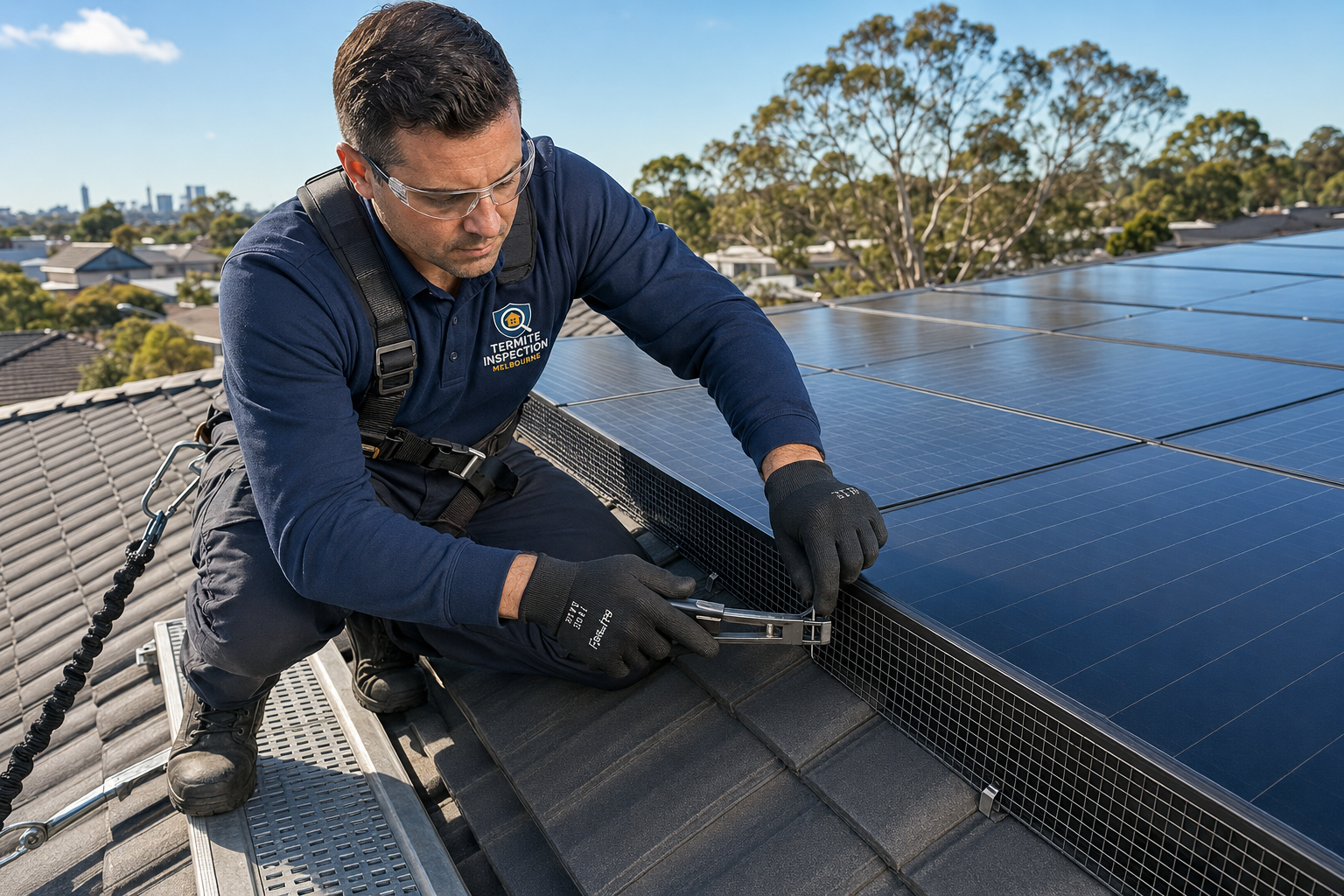
Opaque bird droppings can shade part of a photovoltaic module. Research shows that localised soiling and partial shading can reduce output and contribute to temperature differences, but the size of the loss is not identical for every system. Cell layout, bypass diodes, string design, optimisers, orientation, time of day, contamination position and weather all influence the result. A website claim that every pigeon nest causes a fixed 30 per cent loss would be misleading.
Start with evidence that belongs to the actual property: inverter history, retailer or monitoring data, visible soiling patterns, photos and any fault message. Cleaning may improve output where soiling is the cause, but it will not repair a connector, cracked module, failed optimiser or damaged DC cable. If performance remains abnormal after suitable cleaning and exclusion, a licensed solar service provider should inspect the electrical system.
What thermal imaging can and cannot show
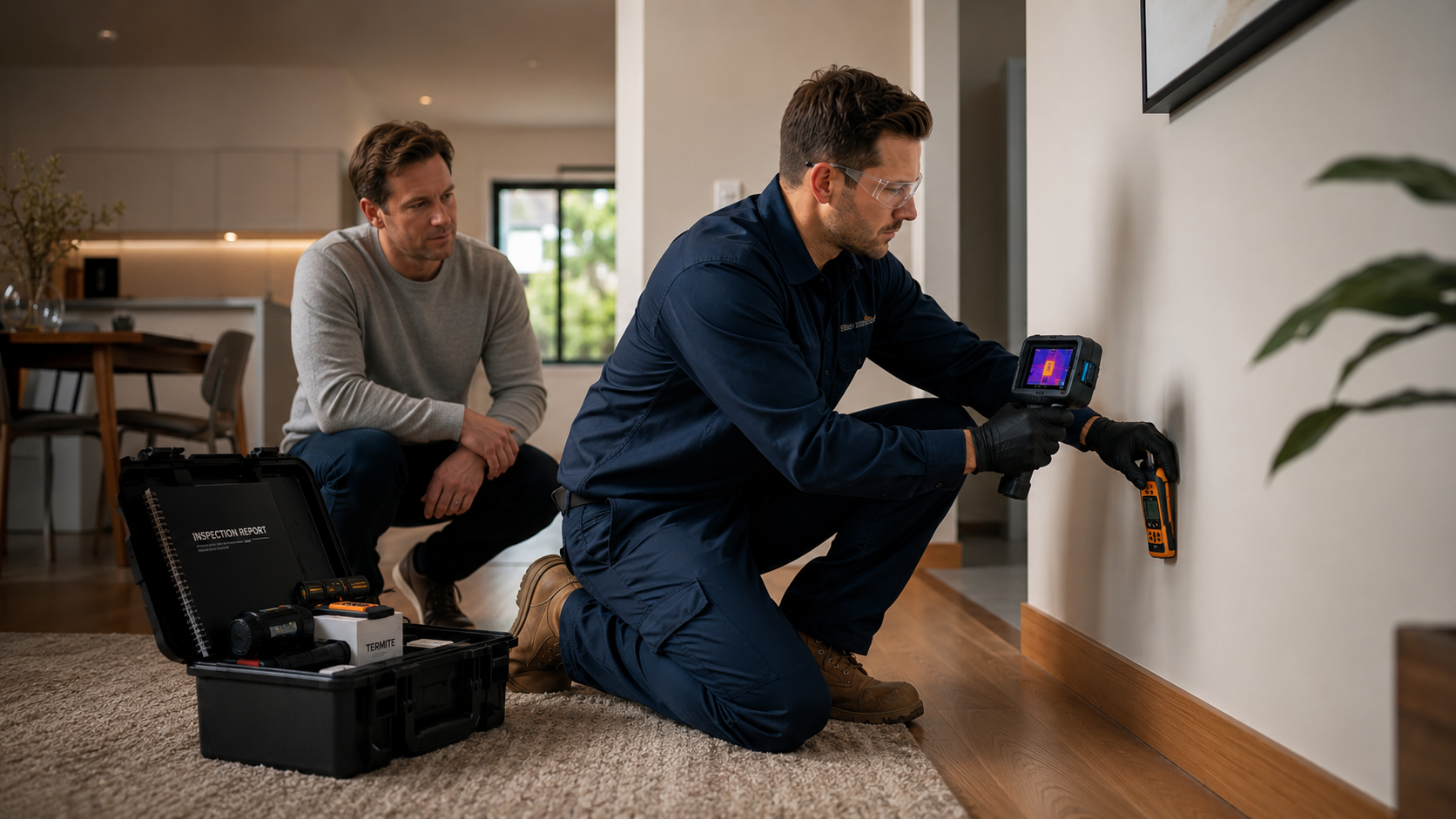
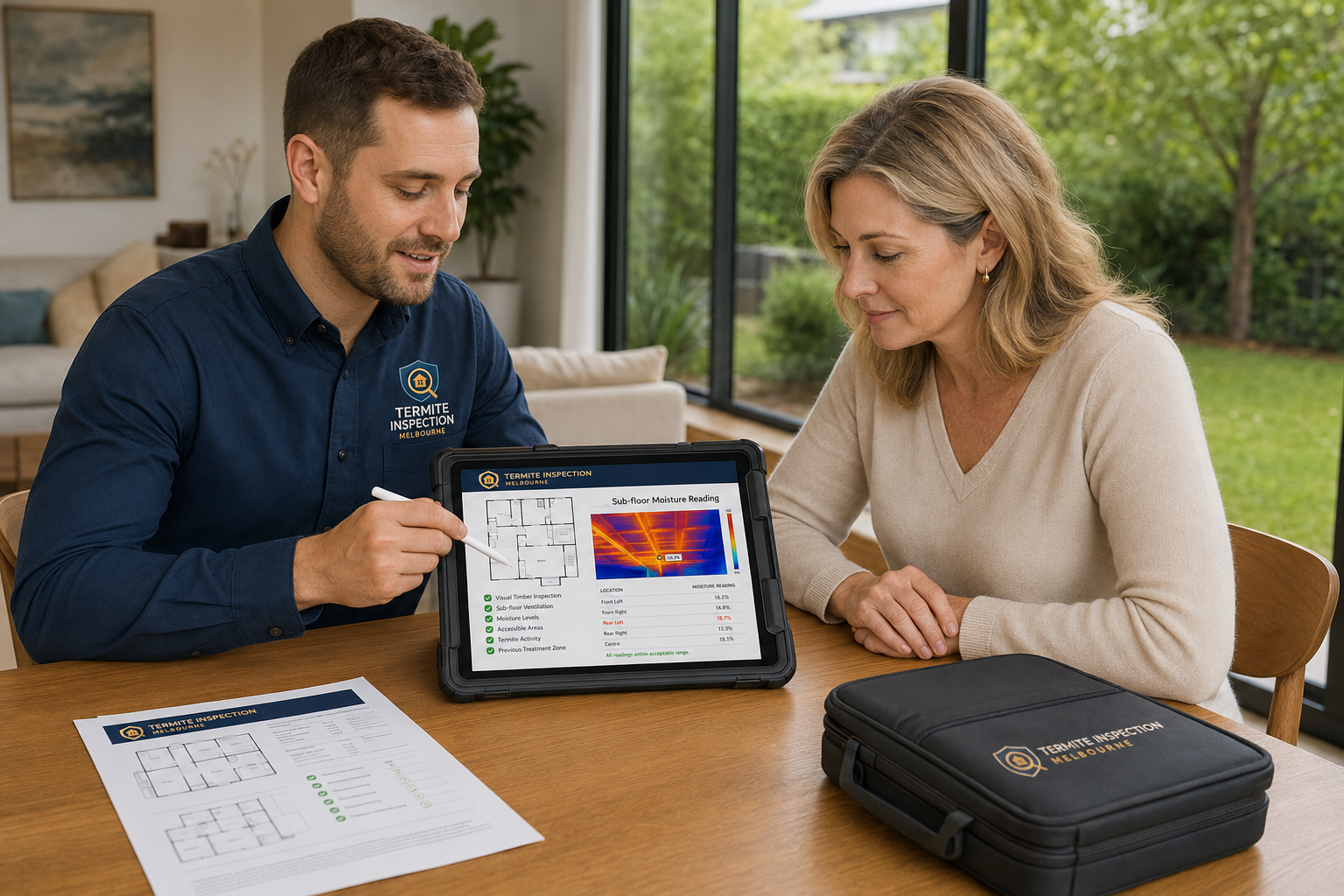
A thermal camera records surface-temperature patterns. Under suitable irradiance, load, angle and weather conditions, it may help flag a warmer cell area, connector zone or uneven surface for further investigation. It cannot by itself certify electrical safety, identify the precise internal defect or prove that birds caused the pattern. Reflections, wind, clouds, roof heat and viewing angle can make an image difficult to interpret.
TIM can offer thermal screening only when stated in the written quote and when conditions make it useful. The output is a screening observation, not a Certificate of Electrical Safety or a solar-performance guarantee. Any suspicious electrical pattern is referred to a licensed electrician. This boundary protects the customer from paying for a colourful image that is presented as more conclusive than it really is.
Cleaning without damaging the system
Panel cleaning needs a method appropriate to the manufacturer, glass condition, water quality, roof safety and temperature. Abrasive tools, harsh chemicals, high pressure and walking on panels can cause damage. A “power wash” promise is therefore removed from this page. If cleaning is included, the quote describes accessible panel surfaces, water access, accepted equipment, contamination limits and exclusions. Heavy guano may require a staged process rather than aggressive one-pass cleaning.
The performance objective is practical: remove avoidable shading where safely possible, prevent recurring nesting access, keep drainage and ventilation pathways open, and leave electrical diagnosis to the licensed trade. The customer receives a clearer maintenance baseline and photographs of the treated perimeter, without a fabricated savings forecast.